






The Ayurvedic View: Cooling the King of Fruits
In Ayurveda, foods are classified based on their effect on the body, with some being 'heating' (Ushna) and others 'cooling' (Sheeta). Mangoes, especially when consumed in large quantities, are traditionally considered to have a thermogenic effect that
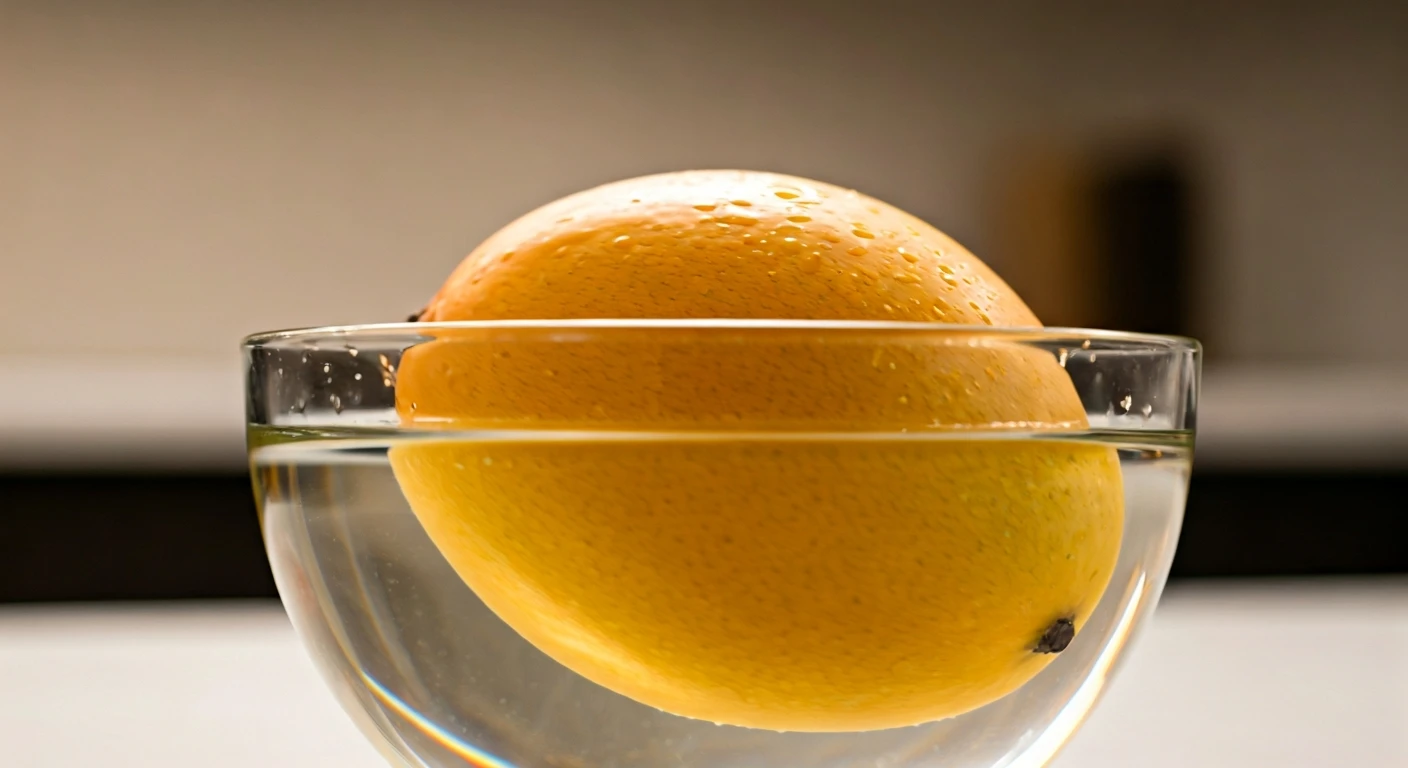
increases the Pitta dosha, which governs heat and metabolism. [11] This imbalance is believed to cause issues like acne, rashes, and digestive problems. [12] According to Ayurvedic experts, soaking mangoes for a few hours helps to dissipate this heating property, making the fruit more balanced and preventing these side effects. [2, 11]
The Science of Phytic Acid
Modern science offers a different, yet compelling, reason for this practice: phytic acid. This naturally occurring compound is present in many plant-based foods, including mangoes. [2, 5] Phytic acid is known as an 'anti-nutrient' because it can bind to essential minerals like iron, zinc, and calcium in the gut, hindering their absorption. [4, 5, 7] Soaking helps to break down and reduce the phytic acid content. [1, 9] Research suggests that immersing mangoes in water for at least 30 minutes can help leach out the excess phytic acid, thereby improving the bioavailability of the fruit's valuable micronutrients. [1, 12]
What About 'Body Heat'?
The sensation of 'heat' after eating mangoes isn't entirely a myth, though science explains it differently from Ayurveda. The phenomenon is known as the thermic effect of food (TEF), where the body expends energy to digest and metabolize what you eat, generating a small amount of heat in the process. [1] Since mangoes are dense in natural sugars, their digestion can slightly increase metabolic activity, which some may perceive as warmth. [1, 15] While soaking doesn't change the fruit's sugar content, it is believed to help reduce its overall thermogenic properties, making it feel more refreshing. [2, 4, 5] This cooling effect can make the fruit more agreeable to the body, especially during hot summer months. [1]
Practical Benefits: A Thorough Clean
Beyond tradition and nutrition, soaking mangoes serves crucial, practical purposes. Firstly, it's an effective way to clean the fruit. Soaking helps wash away surface dirt, and more importantly, residues from pesticides and insecticides that may be used during cultivation. [2, 4, 6] Soaking in plain water for 20-30 minutes is a simple step to make the fruit safer to eat. [4, 6, 12] Secondly, it helps remove the milky, sticky sap (latex) that oozes from the stem. [4] This sap contains compounds that can cause skin irritation or an allergic reaction in sensitive individuals, sometimes known as 'mango rash'. [4, 20] Soaking helps dissolve and wash away this sap. [4]
The Verdict: Should You Soak Your Mangoes?
While the concept of 'body heat' is explained differently by traditional wisdom and modern science, the consensus is clear: soaking your mangoes is a beneficial practice. Even if the primary reason isn't to literally 'cool' the fruit's core temperature, the advantages are undeniable. [15, 16] It helps reduce the anti-nutrient phytic acid, leading to better mineral absorption. [1, 7] It effectively cleans the skin of contaminants like pesticides and dirt. [4, 6] It removes the potentially irritating sap from the stem. [4, 20] Finally, rehydrating the fruit by soaking can improve its texture, making it juicier and more succulent. [1] So, it seems our grandmothers were right all along, even if they didn't have the scientific vocabulary to explain it.