

The Risk of Airborne Contaminants
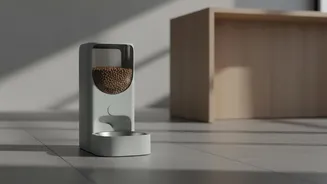
When you spray a cleaning solution near your pet’s feeding area, a fine mist of chemicals becomes airborne. Common ingredients in household cleaners, such as ammonia, bleach, and other disinfectants, can be toxic to pets if ingested. If your pet's food
container is open, these aerosolized particles can easily settle on the kibble. Your pet then consumes these chemicals with their next meal, which can lead to symptoms ranging from mild stomach upset to more severe health issues like chemical burns in the mouth or throat. Even dust and debris stirred up during cleaning can land in the food, introducing unwanted particles and potential allergens.
Preventing Cross-Contamination
Cross-contamination is a major concern in both human and pet food safety. Your pet’s feeding area can harbor bacteria like Salmonella and E. coli. When you wipe down surfaces, germs can transfer from the cleaning cloth to your hands and then potentially into the food if the container is open. More importantly, germs from the environment can enter the food supply. The U.S. Food and Drug Administration (FDA) emphasizes safe food handling for pets to reduce the risk of foodborne illnesses that can affect both pets and the humans in the household. Sealing the food container is a fundamental step in creating a barrier against this transfer of germs, ensuring that the food inside remains safe and uncontaminated.
Preserving Freshness and Nutrition
Proper storage is not just about preventing contamination; it is also crucial for maintaining the nutritional quality of your pet’s food. Dry pet food contains fats and oils that can go rancid when exposed to air and moisture, a process called oxidation. This degradation not only makes the food less palatable but also depletes essential vitamins and nutrients. Manufacturers design pet food bags to protect against this, which is why experts often recommend keeping the food in its original bag, even when placed inside a storage container. Leaving the lid off, especially in a potentially humid environment like a kitchen during cleaning, accelerates this process. An airtight seal is key to locking in freshness and ensuring your pet gets the full nutritional benefit from every meal.
A Simple, Safer Cleaning Routine
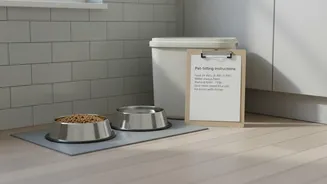
Incorporating this safety step into your cleaning routine is easy. Before you begin cleaning, make it a habit to secure the lid on your pet’s food storage container. Ideally, move the container to another room altogether. Once the food is protected, you can proceed with cleaning the bowls and the surrounding area. The FDA recommends washing food bowls with soap and hot water after each use. When cleaning floors and mats, use pet-safe cleaning products or ensure the area is completely dry before allowing your pet back in. This two-step process—seal first, then clean—takes only a few extra seconds but significantly enhances the safety and hygiene of your pet’s feeding environment.
Best Practices for Pet Food Storage
Beyond the cleaning routine, proper everyday storage is vital. The FDA advises storing dry pet food in a cool, dry place, with temperatures under 80°F (27°C). It's best to keep the food in its original bag and place the entire bag inside an airtight container. This method keeps the food fresh, protects it from pests, and ensures you have the lot number and expiration date handy in case of a recall. If you pour kibble directly into a bin, be sure to wash and thoroughly dry the container between bags to remove residual oils that can become rancid. For wet food, any unused portions should be covered and refrigerated promptly.