

The Antioxidant Advantage
Before we dive into cooking methods, let's quickly recap why antioxidants are so important. These powerful compounds, abundant in vegetables, help protect our bodies from cellular damage caused by free radicals. This protection is linked to a lower risk
of chronic illnesses, including heart disease and certain cancers. Common antioxidants in vegetables include Vitamin C, carotenoids (like beta-carotene in carrots), and various polyphenols. However, these beneficial compounds can be sensitive to heat, water, and time, meaning how you cook your veggies plays a crucial role in how many antioxidants make it to your plate.
The Gentle Power of Steaming
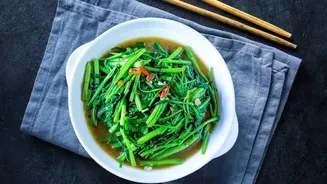
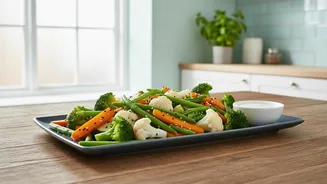
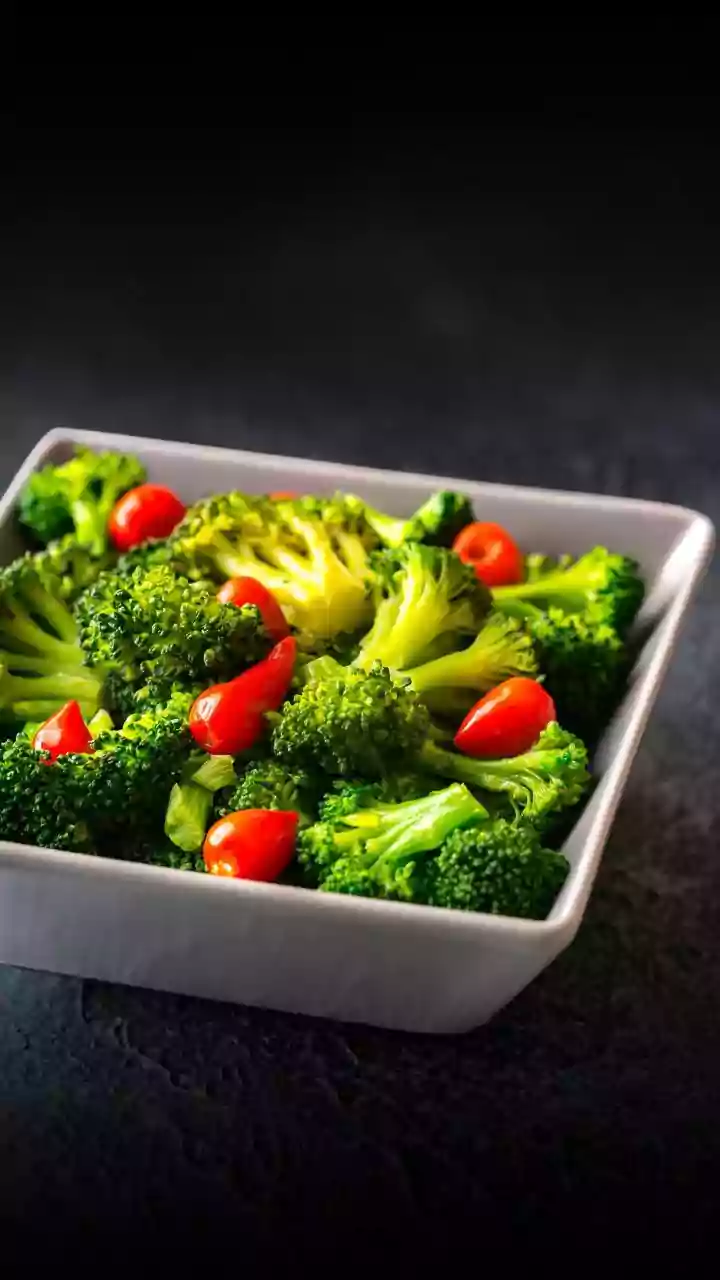
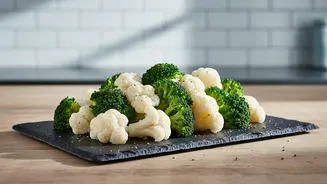
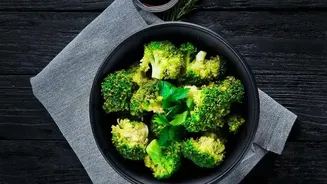
Steaming is often hailed by nutritionists as one of the best cooking methods for preserving nutrients. This technique cooks vegetables with hot vapour without submerging them in water. Because the vegetables aren't in direct contact with water, fewer water-soluble nutrients, like Vitamin C and B vitamins, are leached out. Studies have shown that steaming is particularly effective for preserving delicate compounds. For example, research on broccoli has found that steaming is the best method for retaining its glucosinolates, which are potent health-promoting compounds. The key is to avoid overcooking; steaming until vegetables are crisp-tender ensures maximum nutrient retention and a pleasant texture.
The Sizzle of the Stir-Fry
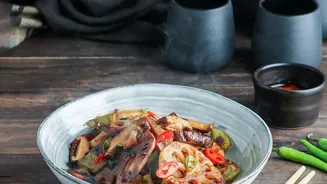
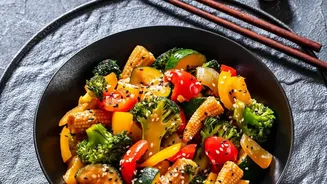
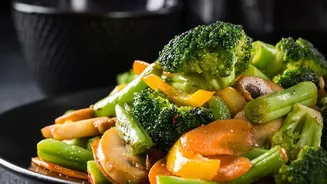
Stir-frying is a fast, high-heat method that quickly sears vegetables, which can lock in nutrients, colour, and texture. While the intense heat can degrade some sensitive vitamins like Vitamin C, the short cooking time helps mitigate these losses. Interestingly, stir-frying can sometimes make certain antioxidants more available to our bodies. The use of oil can help in the absorption of fat-soluble vitamins (A, E, and K) and antioxidants like carotenoids. For instance, the lycopene in tomatoes and the beta-carotene in carrots become more bioavailable when cooked with a little fat. However, this method can be a double-edged sword; very high heat can also destroy some beneficial compounds.
The Verdict: Which Method Wins?
When it comes to preserving the broadest spectrum of antioxidants, steaming generally comes out on top. Its gentle, water-free cooking process protects the most vulnerable nutrients that are easily lost through other methods. Stir-frying, while still a healthy option, occupies an intermediate position. It's better than boiling, which can cause significant nutrient loss into the cooking water, but the high heat can be destructive. Some studies have shown significant losses of certain compounds, like glucosinolates in broccoli, during stir-frying compared to steaming. The best choice can also depend on the vegetable. Steaming is excellent for broccoli, while a quick stir-fry might enhance the antioxidant availability in carrots.
Tips for Your Indian Kitchen
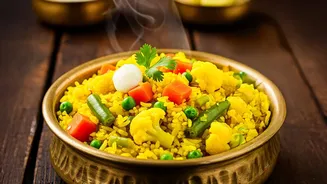
Applying this knowledge to everyday cooking is simple. For vegetables like cauliflower (gobi), French beans, and broccoli, consider steaming them before adding them to a lightly spiced tadka, rather than cooking them entirely in the pan. This gives you the best of both worlds—nutrient preservation from steaming and flavour from the spices. For a healthier stir-fry or sabzi, use a minimal amount of a healthy oil, keep the heat high but the cooking time short, and cut your vegetables into uniform pieces for even cooking. Don't be afraid to mix and match your methods throughout the week to ensure you're getting a wide range of nutrients and enjoying your meals to the fullest.