



From Mass-Produced to Meaningful
There’s a palpable shift happening in urban Indian living spaces. The once-coveted catalogue look, defined by mass-produced furniture and impersonal decor, is giving way to something more authentic and layered. Homeowners are increasingly turning away
from sterile perfection and seeking out pieces with a story and a soul. This trend is about more than just aesthetics; it's a conscious move toward creating environments that offer emotional comfort and personal identity. After a period where homes also became offices and schools, the desire for a sanctuary-like space that feels personal and nurturing has intensified. This has sparked a rediscovery of India's own vast repository of artisanal skills.
A Story in Every Object
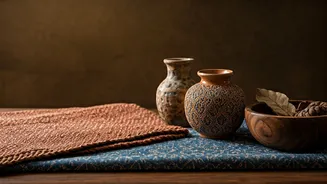
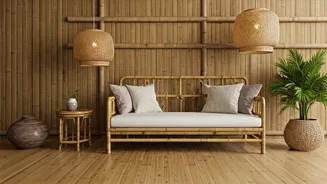
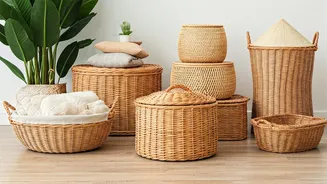
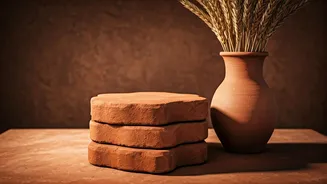
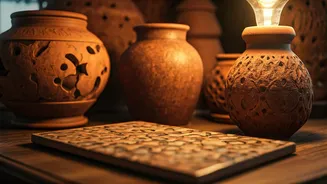
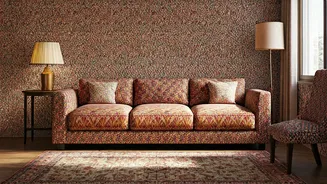
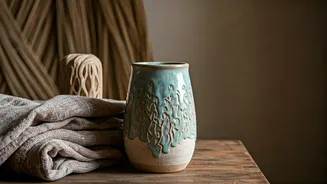
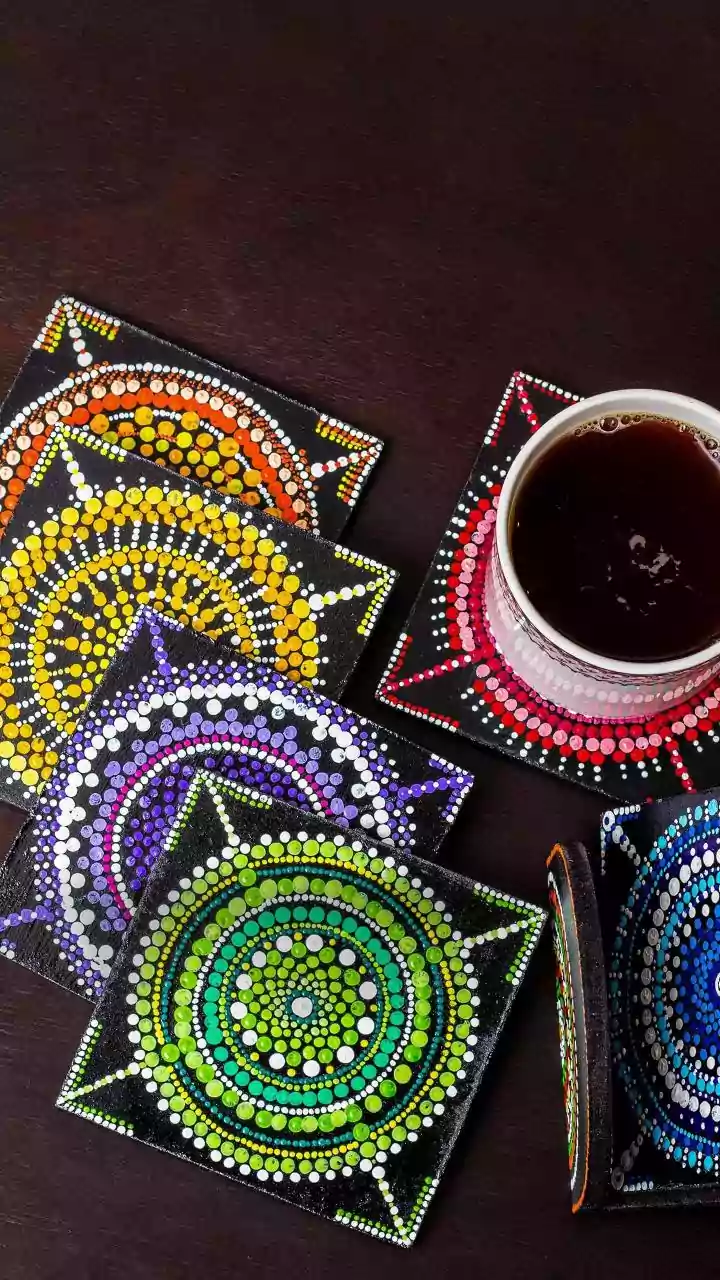
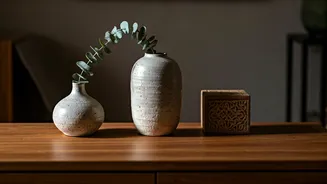
The heart of this trend lies in the specific crafts being woven into modern interiors. We're seeing a revival of handwoven textiles like Ikat, block-printed fabrics from Rajasthan, and rich brocades from Varanasi used for upholstery, cushions, and wall hangings. Natural, earthy materials are making a major comeback. Furniture and accents made from bamboo, cane, and jute introduce texture and an organic feel. Artisanal pottery, especially terracotta and ceramics with unique glazes, are replacing factory-made decorative items. These aren't just objects; they are story-keepers, each carrying the imprint of its maker and the heritage of its region, from Dhokra metal craft to Madhubani paintings.
The New Heirlooms: Why Now?
Several factors are driving this artisan-led renaissance. A growing consciousness around sustainability is a major influence, with consumers looking for eco-friendly and ethically-produced goods. Supporting local artisans and preserving heritage crafts has become a point of pride and a way to make more mindful purchasing decisions. Brands championing sustainable materials and fair-trade practices are finding a willing audience. This movement is also about investing in quality and longevity. A handcrafted wooden table or a hand-forged metal lamp is seen not as a disposable trend item, but as a future heirloom—an object of lasting value that brings character and warmth into the home.
Weaving Tradition into Today
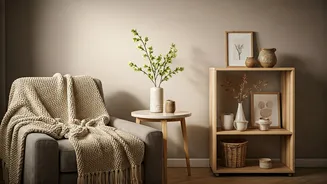
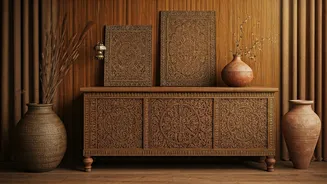
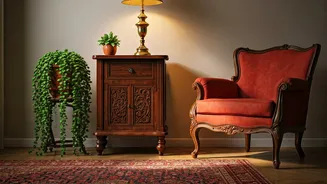
Incorporating this aesthetic doesn't mean turning your home into a museum. The key is balance and thoughtful curation. Designers suggest using craft pieces as focal points against a modern backdrop. A single, large folk art painting, like a Warli or Pattachitra piece, can transform a minimalist room. A set of handmade ceramic bowls can add character to a sleek, modern kitchen shelf. The idea is to mix, not match. Pairing a contemporary sofa with vibrant, block-printed cushions or placing an antique-style wooden chest in a modern living room creates a dynamic and personal space. It's this fusion of old and new that makes the style feel fresh and relevant for today.