






Why Eating Seasonal is a Smart Choice
Choosing fruits that are in season is a tradition rooted in wisdom. Seasonal produce is fresher, tastes better, and has a higher nutritional value because it is harvested at its peak. These fruits are naturally ripened and often more affordable since
they are available in abundance. In winter, our bodies crave foods that can help fend off common colds and flu. Nature provides exactly that with a range of fruits packed with Vitamin C and other essential nutrients designed to strengthen our immune systems.
The Star of Winter: Amla
At the heart of India's winter wellness traditions is the amla, or Indian gooseberry. This small, tangy green fruit is a nutritional powerhouse, celebrated in Ayurveda for thousands of years. Amla is most famous for its incredibly high Vitamin C content, containing significantly more than an orange. This makes it a potent immunity booster, helping the body build resistance against common winter ailments like coughs and colds. Its strong antibacterial and anti-inflammatory properties further support the body's defence mechanism. Beyond immunity, amla is fantastic for skin and hair, which often suffer during the dry winter months. Its antioxidants help fight free radical damage, promoting a healthy glow and strengthening hair from the roots. It also aids digestion and helps regulate metabolism, which can become sluggish in colder weather.
Citrus Delight: Oranges
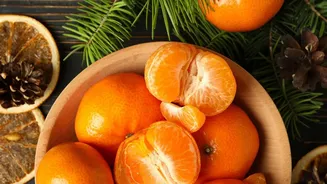
No winter fruit basket is complete without oranges. These juicy, vibrant fruits are synonymous with the season and are loved for their refreshing taste. Like amla, oranges are loaded with Vitamin C, making them another excellent choice for boosting your immune system. Regular consumption can help keep seasonal infections at bay while also promoting healthy, radiant skin. Oranges are also a good source of fibre, which aids in digestion and helps you feel full, making them a healthy snack choice.
The Hardy Favourite: Guava
Often hailed as a winter superfood, guava (amrood) is an affordable and nutrient-dense fruit. It is one of the richest sources of Vitamin C, even surpassing oranges, and is packed with dietary fibre. This high-fibre content is excellent for digestive health, helping to prevent constipation. Guavas also contain antioxidants that reduce inflammation and support heart health by helping to manage cholesterol levels. It's a versatile fruit that can be enjoyed raw with a sprinkle of salt and chili or blended into a delicious smoothie.
Jewel-Toned Goodness: Pomegranate
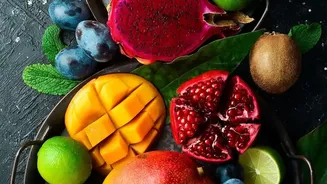
Pomegranates, or 'anar', are prized for their jewel-like seeds and impressive health benefits. They are packed with powerful antioxidants that help protect the body's cells from damage and reduce inflammation. Pomegranates are also a good source of iron, vitamin C, and vitamin K, which supports bone health. Regularly including this fruit in your diet can improve blood circulation and support a healthy heart, making it a valuable addition to your winter plate.
Creamy and Sweet: Custard Apple
Custard apple, or sitaphal, is a uniquely sweet and creamy winter treat. Beneath its bumpy green skin lies a soft, fragrant pulp that is rich in essential nutrients. It is a good source of vitamins C and B6, as well as minerals like magnesium and potassium. Its fibre content promotes healthy digestion, while its natural sweetness makes it a wonderful and wholesome dessert alternative. Though some believe its 'cold' nature can cause coughs, it is a nutritious fruit that boosts the immune system when consumed in moderation.