



The Spotlight on Visakhapatnam
This September, the coastal city of Visakhapatnam will host the 41st annual convention of the Indian Association of Tour Operators (IATO), one of the most significant events on the country's tourism calendar. The convention is expected to draw nearly
1,000 delegates, including top tour operators, travel professionals, and policymakers from across India and beyond. For Andhra Pradesh, this is more than just a conference; it's a strategic platform to showcase its vast, and often untapped, tourism potential to the people who design and sell travel experiences. Kandula Durgesh, the state's Minister for Tourism, Culture and Cinematography, has framed it as an invitation for the travel trade to partner in building "India's next major tourism success story".
A New Vision for Tourism
The convention arrives at a pivotal moment, as the state rolls out its ambitious Tourism Policy 2024-29. For years, tourism in Andhra Pradesh was dominated by day-long religious trips to major temples like Tirumala, while its nearly 1,000-kilometre coastline remained largely overlooked. The new policy aims to change this by connecting pilgrimage with leisure. A key move has been granting tourism official "Industry Status," which unlocks financial incentives like capital subsidies and tax reimbursements previously reserved for manufacturing. The government is targeting ₹20,000–25,000 crore in private tourism investment, with major hospitality brands like Taj, Marriott, and Hyatt already planning projects that will add over 7,700 new hotel rooms.
Beyond the Temple Trail
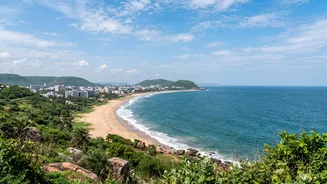
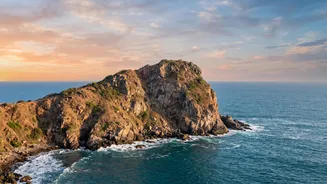
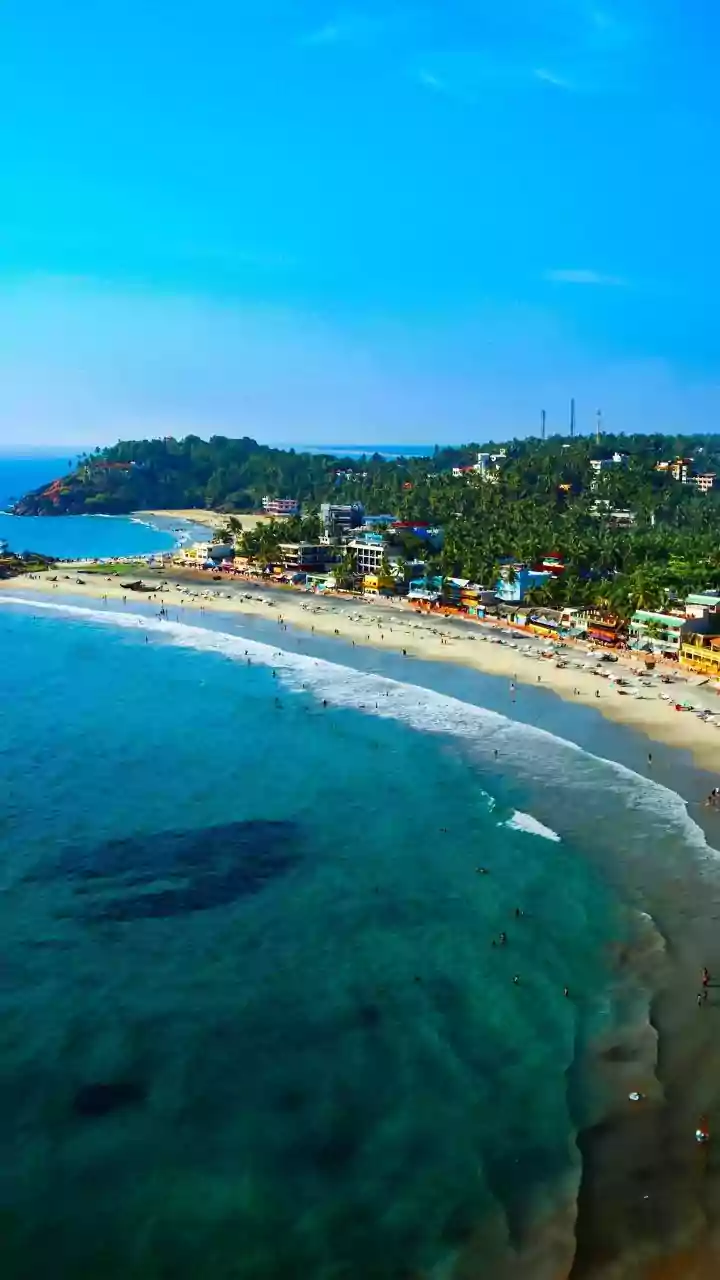
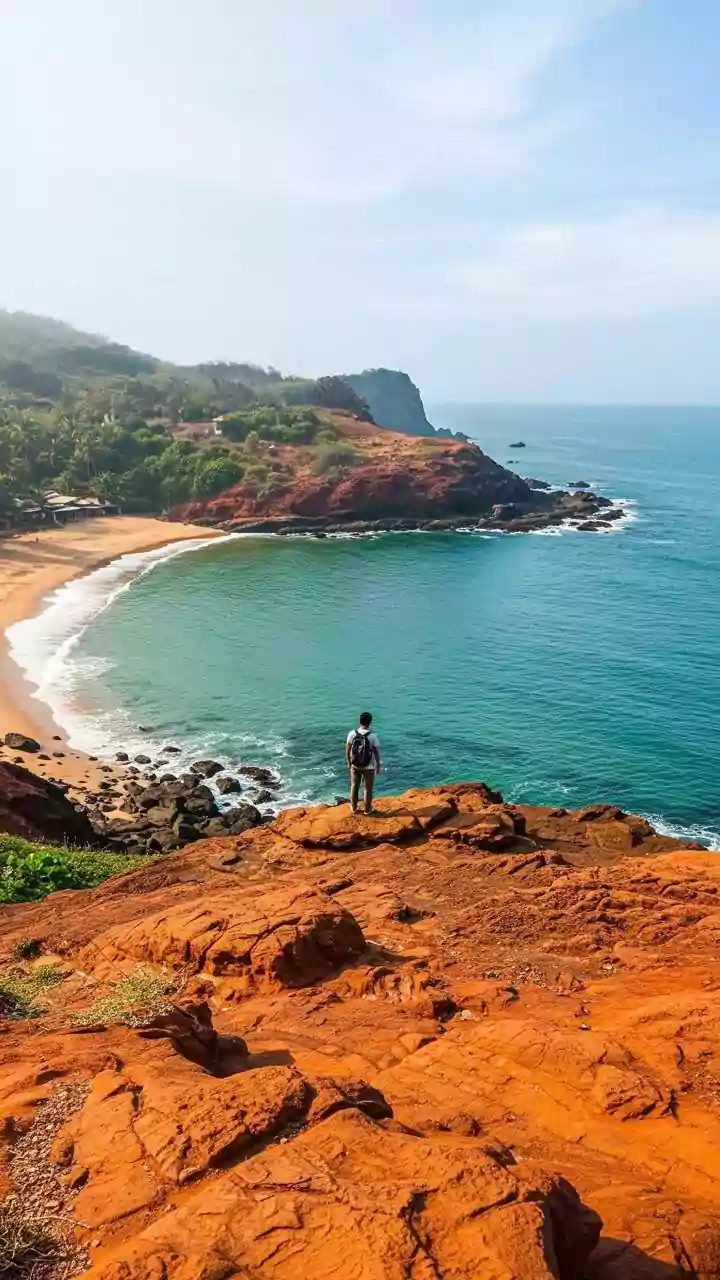
So, what will the tour operators see? Beyond the world-renowned Sri Venkateswara Temple in Tirupati, the state is promoting a diverse portfolio. There's the stunning Araku Valley, a hill station with coffee plantations; Gandikota, known as the "Grand Canyon of India"; and the Belum Caves, one of the subcontinent's longest cave systems. The coastline is also getting a major push, with Visakhapatnam (Vizag) positioned as a flagship beach destination. A modernised Beach Shack Policy, inspired by Goa, aims to create a vibrant beachfront culture, while a new concert-tourism framework is designed to attract major musical acts and younger crowds.
Connecting the Dots for Travellers
A core part of the strategy is making the state easier to explore. The government is developing seven major tourism hubs, including Visakhapatnam, Araku Valley, and Tirupati, connected by over 25 planned tourism circuits. Historically, a major challenge has been connecting the coast to the state's rugged interior. To solve this, Andhra Pradesh is expanding connectivity through the central government's UDAN scheme, with plans for seaplane and helicopter services to link coastal hubs with inland attractions like the Borra Caves. For visitors, this means a future where you can easily combine a beach holiday in Vizag with a trip to the hills of Araku or the ancient temples of Srisailam.
A Safer, Greener Experience
The state is also focusing on the quality of the tourist experience. A new Tourist Police policy is being introduced to enhance safety and security at major destinations and temples. Simultaneously, there is a strong push towards sustainable and eco-tourism, with a goal of creating 50,000 "green jobs". This includes developing iconic ecological sites like the Krishna River gorges and flamingo breeding centres in Nellore to international standards, catering to a growing market of nature travellers. The government is also identifying 200 new tourist spots for facility upgrades, signalling a comprehensive effort to broaden the state's appeal.