




What a New Study Reveals
Recent scientific findings are shedding more light on the connection between our sleep schedules and our internal ecosystem. A new study published in the journal iScience explored how a person's chronotype—their natural tendency to sleep and wake at certain
times—relates to their gut microbiome and metabolic health. Researchers from UTHealth Houston found that individuals who are 'night owls' and also tend to eat later in the evening often exhibit different gut bacteria patterns compared to 'early birds'. Specifically, these late-night habits were associated with an increased risk of metabolic syndrome, a cluster of conditions that includes high blood pressure, high blood sugar, and abnormal cholesterol levels. The study suggests that this increased risk might be linked to a less healthy gut environment, including a weaker intestinal barrier, sometimes called 'leaky gut'.
The Gut-Clock Connection
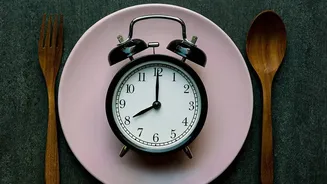
This isn't just about sleep deprivation. The connection runs deeper, tying into the body's master internal clock, known as the circadian rhythm. This 24-hour cycle, primarily governed by light exposure, dictates everything from our hormone levels and body temperature to our sleep-wake patterns. What's fascinating is that our gut microbes have their own daily rhythms, too. These microbial clocks are heavily influenced by our eating schedules. When our sleep patterns (driven by the brain's clock) are out of sync with our eating patterns (which influences the gut's clock), it can create what scientists call 'circadian misalignment'. This mismatch appears to disrupt the healthy, rhythmic activity of our gut bacteria, potentially leading to negative health consequences.
Why Your Microbiome Matters
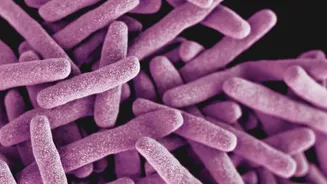
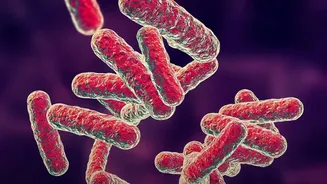
Your gut microbiome is a bustling community of trillions of bacteria and other microorganisms that play a crucial role in your overall health. A diverse and balanced microbiome helps with digestion, synthesizes essential vitamins, and is fundamental to a properly functioning immune system. Some of the most important jobs are performed by beneficial bacteria that ferment fiber from our diet and produce compounds called short-chain fatty acids (SCFAs). These SCFAs, like butyrate, are vital for maintaining the health and integrity of our intestinal lining, controlling inflammation, and even regulating fat metabolism and blood sugar. The new study observed that improving gut barrier function was linked to an increase in these beneficial SCFA-producing bacteria, highlighting their importance.
The Downside for Night Owls
The research suggests that for night owls, particularly those who eat late, the composition of their gut bacteria may be altered. For instance, some studies have linked late-night eating habits to a higher abundance of bacteria from the Erysipelotrichales order, which has been previously associated with metabolic disorders. This imbalance can lead to a less resilient gut barrier and increased systemic inflammation, both of which are underlying factors in many chronic diseases. When the intestinal barrier is compromised, it can allow particles to pass into the bloodstream that trigger an immune response, contributing to the low-grade, chronic inflammation seen in metabolic syndrome.
Can You Shift Your Gut Health?
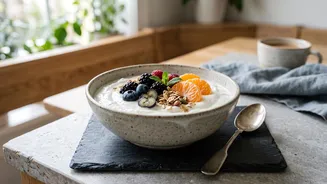
While you may not be able to change your natural chronotype, the research offers hope by highlighting modifiable behaviors. The strongest metabolic risk was seen in individuals who not only had a late chronotype but also ate late at night. This suggests that timing your meals earlier in the evening, even if you stay up late, could be a beneficial strategy. Focusing on a diet rich in fiber from fruits, nuts, and vegetables can also help. Fiber feeds the beneficial bacteria that produce those all-important SCFAs, which help strengthen the gut wall. The link is clear: a regular schedule for sleeping and eating helps support the natural rhythms of both your body and your gut microbes. While more research is needed, these findings point towards a powerful takeaway: aligning your lifestyle with your internal clock is a key component of long-term health.