





The Science of the Post-Meal Stroll
The idea of a 'constitutional' or a brief walk after eating is not new, but modern science is now validating this age-old wisdom. The primary benefit lies in its ability to help manage blood sugar levels. When you eat, your body converts carbohydrates
into glucose, which enters your bloodstream. A spike in blood sugar follows, which can lead to a subsequent crash, leaving you feeling sluggish and tired. Physical activity, however, changes this dynamic. When you walk, your muscles require energy, so they pull glucose from your bloodstream to use as fuel. This simple action helps blunt the post-meal glucose spike, leading to more stable energy levels. Studies show that even a two to five-minute walk can have a significant impact on blood sugar control.
More Than Just Blood Sugar
The benefits extend well beyond blood sugar regulation. A gentle walk can be a fantastic aid for digestion. Movement helps stimulate the stomach and intestines, promoting what is known as peristalsis—the wave-like muscle contractions that move food through your digestive tract. This can help reduce uncomfortable feelings of bloating, gas, and heaviness that can sometimes follow a meal. Research has shown that a 10-to-15 minute walk after meals can significantly reduce these gastrointestinal symptoms. Furthermore, consistent physical activity like post-meal walks contributes to better overall heart health by helping to lower blood pressure and improve circulation over time.
The 'How-To' of Post-Meal Walking
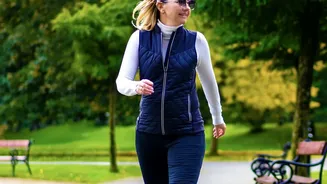
The great news is that you don't need a long or strenuous workout to reap the rewards. The key is consistency and timing. Most studies suggest that starting your walk shortly after finishing your meal is ideal, generally within about 30 minutes, to best counter the rise in blood glucose. As for duration, while longer is often better, even a few minutes count. Research indicates that a walk as short as two to five minutes is beneficial. A good target to aim for is a 10 to 15-minute walk at a low to moderate intensity. You should be able to hold a conversation comfortably. The goal is gentle movement, not a power walk that could potentially cause digestive discomfort.
Making It a Habit in a Busy World
Fitting movement into a packed schedule can seem daunting, but integrating it around meals makes it easier. If you work in an office, use your lunch break. Instead of eating at your desk, eat in a breakroom and then use the remaining time to walk around the building or even just up and down a few flights of stairs. If you work from home, a quick loop around your neighbourhood after lunch can break up the day and boost afternoon productivity. You can also turn it into a social activity by walking with a coworker, friend, or family member. Attaching the new habit to an existing one—eating—is a proven strategy for success. The goal isn't perfection, but to make a small, positive change that becomes a natural part of your daily routine.