





The Allure of a Bygone Era
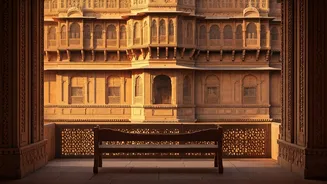
In the sun-baked landscapes of Rajasthan and Gujarat, particularly in regions like Shekhawati, stand the magnificent havelis. These are not mere houses; they are opulent mansions built by wealthy merchants in the 18th and 19th centuries. Crafted as grand
statements of success, their walls are canvases for intricate frescoes depicting mythology, colonial encounters, and scenes from daily life. With sprawling central courtyards designed to keep the desert heat at bay, jharokhas (overhanging enclosed balconies), and elaborately carved gateways, these structures are living museums. For years, many lay forgotten, their vibrant murals fading under layers of dust. Now, a wave of thoughtful restoration is breathing new life into them, transforming them into unique heritage hotels and homestays.
An Antidote to Hectic Holidays
The appeal of a haveli stay lies in what it lacks: the frantic pace of a typical vacation. This is the heart of the ‘slow travel’ movement, where the goal isn't to tick off a checklist of sights but to immerse oneself in a place. For couples, this translates into uninterrupted time. Instead of a packed itinerary, days are defined by leisurely rhythms. A morning might be spent reading in a sunlit courtyard, an afternoon exploring the village on foot, and an evening watching the stars from a rooftop terrace, undisturbed by city lights or traffic noise. It’s a conscious uncoupling from the digital world and a reconnection with one’s partner and surroundings.
More Than Just a Pretty Facade
Staying in a haveli is a full sensory experience. Unlike a standardized hotel room, each chamber has a distinct character, often retaining its original architectural quirks. The hospitality is deeply personal, with many havelis still run by the descendants of the original families. This offers a rare glimpse into the region's culture. Food is a highlight, with menus often featuring home-cooked Rajasthani or Gujarati delicacies passed down through generations, a far cry from a generic buffet. The service is attentive but unobtrusive, allowing guests the space and privacy to feel like they are lords of their own temporary manor. It’s a form of luxury that isn’t about ostentation, but about authenticity, peace, and exclusivity.
A Living Storybook for Two
For couples, the romantic appeal is undeniable. There’s an inherent intimacy in being surrounded by so much history. Every peeling fresco and worn stone step tells a story, creating a magical backdrop for making new memories. These spaces encourage conversation and shared discovery. You might find yourselves tracing the journey of a steam train painted on a wall a century ago, or simply enjoying a cup of chai while listening to the cooing of pigeons. This shared quietude and engagement with the past create a powerful bond, making the trip feel more meaningful than a conventional beach holiday or city break. It’s an escape not just from a place, but from a time.
Where to Find These Desert Gems
The Shekhawati region of Rajasthan is the epicentre of this trend, often called an ‘open-air art gallery’ for its density of painted havelis in towns like Mandawa, Nawalgarh, and Fatehpur. Here, a significant number of heritage properties have been converted for travellers. Beyond Shekhawati, other parts of Rajasthan and the Kutch region of Gujarat also offer stunning haveli stays. The key is to look for properties that emphasize preservation and authentic experience over modern additions. Often, the most charming options are the smaller, family-run establishments where the stories of the building are a cherished part of the guest experience.