





The Search for Deeper Meaning
For decades, travel was often about collection—collecting passport stamps, famous sights, and photos to prove you were there. Today, that mindset is evolving. Indian travellers, particularly younger demographics like Gen Z and millennials, are leading
a charge towards 'experiential travel'. This approach prioritises meaningful activities over passive sightseeing. It’s a move away from simply seeing a place to truly feeling it. Experts note a clear preference for immersion, whether through cultural exchange, adventure, or simply disconnecting in nature. This desire is reshaping the tourism landscape, with projections showing India's experiential travel market growing significantly in the coming years.
The Call of the Countryside
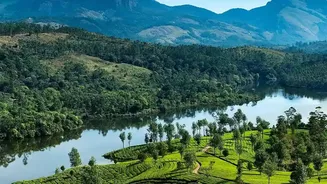
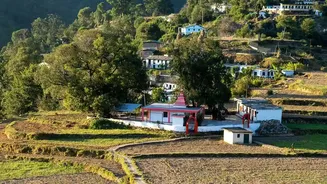
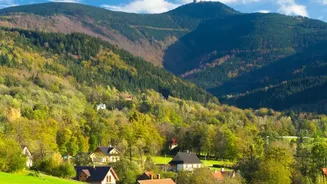
Agritourism is a major beneficiary of this new travel mindset. Urban dwellers are increasingly seeking refuge from city life on working farms and in quiet village homestays. These trips offer a chance to connect with the land, understand where food comes from, and experience a slower pace of life. Activities range from picking mangoes in Maharashtra to learning about tea estates in Assam. This isn't just about a rustic aesthetic; it's about genuine participation in rural life. The market for agritourism in India is seeing robust growth, powered by urbanites looking for authentic escapes and the convenience of online booking platforms that make discovering these stays easier than ever.
Wildlife Tourism Reimagined
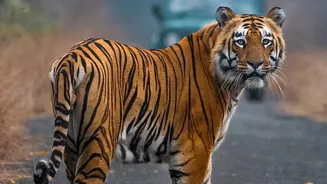
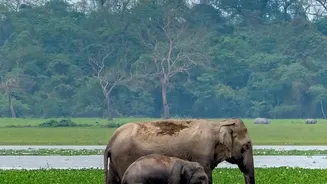
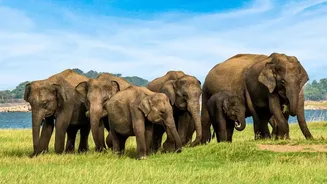
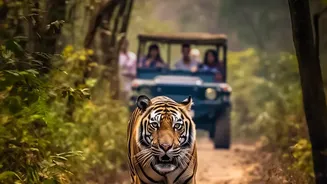
Wildlife trips are also undergoing a transformation. While the thrill of spotting a tiger remains a powerful draw, the definition of a 'safari' is expanding. Travellers are now seeking more profound connections with nature, leading to the rise of walking safaris, birdwatching tours, and stays in remote, off-the-grid lodges. There is a move beyond just the sighting to a fuller appreciation of the entire ecosystem. This has led to longer stays of three to five nights, allowing for a deeper immersion into the wilderness. Furthermore, there is a growing consciousness about the impact of tourism, with many travellers actively choosing eco-friendly lodges and avoiding activities that harm wildlife.
Drivers of the Great Migration
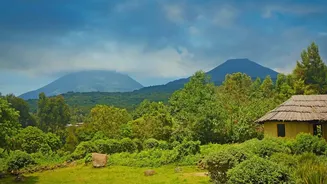
Several factors are fuelling this shift. The widespread adoption of remote and hybrid work models has untethered many from the office, allowing for more flexible and longer trips. There's also a growing sense of 'destination fatigue' with overcrowded mainstream tourist spots. Simultaneously, improved road networks and digital connectivity have made rural areas more accessible. Boutique homestays and eco-lodges are responding to this demand by offering curated, authentic experiences that go beyond a standard hotel room. For many, these journeys are also a form of personal growth and wellness, an intentional escape to recharge and reconnect with oneself.
A Conscious Choice
At its core, this trend is about a move towards more conscious and sustainable travel. A significant majority of Indian travellers now state their intention to travel more sustainably. This involves supporting local economies by staying in community-run homestays, buying local handicrafts, and ensuring their tourism money benefits the host communities directly. It reflects an understanding that travel can be a force for good, contributing to both conservation efforts and the preservation of local culture. This shift from passive consumption to active, responsible participation is not just changing where people go, but why they travel in the first place.