



Monitor Weather and Route Advisories
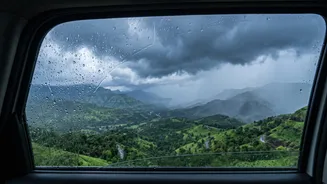
The first step before any monsoon journey is to become your own weather expert. Check the latest forecasts from reliable sources like the India Meteorological Department (IMD). Heavy rainfall can cause sudden disruptions to flights, trains, and roads.
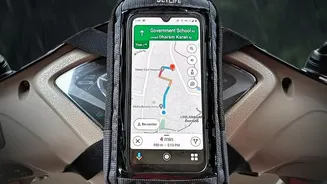
The IMD and National Disaster Management Authority (NDMA) issue regular warnings about heavy rainfall, potential flooding, and landslides in vulnerable areas. It's wise to build extra buffer days into your itinerary to account for potential delays. Pay special attention to alerts for hilly regions, which are prone to landslides, and low-lying areas, which can experience urban flooding. Sticking to main roads and avoiding night travel in treacherous terrain is a safer bet.
Ensure Your Vehicle Is Rain-Ready
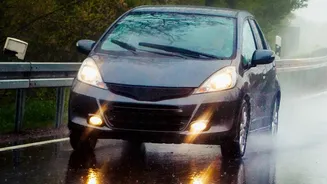
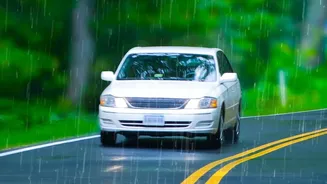
If you're planning a road trip, a pre-monsoon vehicle check is non-negotiable. Wet roads demand peak performance from your car or bike. Your vehicle's tyres are its first line of defence against slippery roads, so ensure they have adequate tread depth and are properly inflated to prevent skidding. Brakes are equally critical; get them inspected if they feel soft or make unusual noises, as wet conditions can increase stopping distances. Visibility is another major concern. Replace worn-out wiper blades that leave streaks and ensure all your lights—headlights, taillights, and indicators—are fully functional. Using low-beam headlights during rain improves your visibility and helps other drivers see you.
Pack Smart and Stay Dry
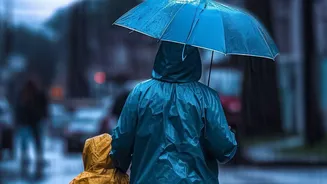
Your packing list needs a monsoon-specific upgrade. Prioritise items that will keep you and your essentials dry. A lightweight waterproof jacket, a sturdy umbrella, and waterproof footwear with good grip are essential. Opt for synthetic, quick-drying clothes over cotton, which stays damp for longer in humid weather. Protecting your electronics is crucial; use waterproof bags or zip-lock pouches for your phone, camera, and power bank. Speaking of power banks, they are a must-have, especially with the possibility of power cuts in remote areas. Also, consider carrying a tow rope and jumper cables in your car for emergencies.
Prioritise Health and Hygiene
The rainy season can bring a host of health concerns, from waterborne diseases to mosquito-borne illnesses like dengue and malaria. Be cautious about what you eat and drink. Avoid street food that might be prepared with contaminated water and stick to freshly cooked, hot meals. Always carry bottled or purified water. A well-stocked first-aid kit is vital. Include basics like antiseptic wipes and bandages, along with medications for common issues like fever or an upset stomach. A powerful insect repellent is another must-have, especially when travelling to areas with lush vegetation. Wearing long-sleeved clothing can also offer protection from mosquito bites.
On-the-Road Safety Rules
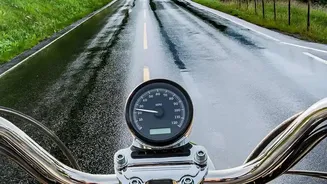
Once you hit the road, adjust your driving habits for the conditions. Reduce your speed significantly and maintain a greater following distance from the vehicle in front of you. One of the biggest dangers is waterlogged roads. Never attempt to drive through deep or fast-moving water, as your vehicle could stall or be swept away. It’s impossible to know the depth of the water or what hazards lie beneath. If you find yourself caught in a thunderstorm, the safest place to be is inside a hard-topped vehicle or a sturdy building. Avoid taking shelter under isolated trees. Be prepared to alter your plans; the safest journey is one where you know when to slow down or turn back.