



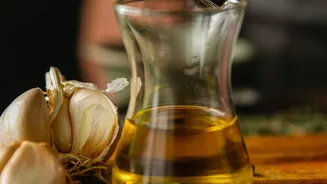
The Great Divide: Cold-Pressed vs. Refined
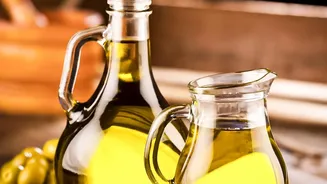
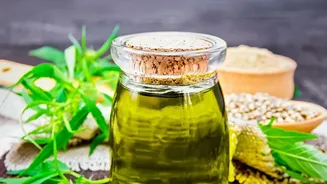
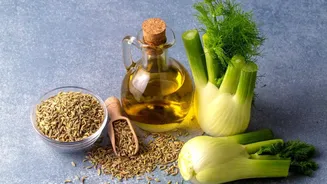
The primary difference between these two types of oils lies in their extraction process. Cold-pressed oils, often known as 'kacchi ghani' in India, are made by mechanically crushing seeds or nuts at low temperatures without using chemicals. This gentle
process helps the oil retain its natural flavour, aroma, and, most importantly, its nutrients, like antioxidants and vitamins. Think of the pungent aroma of fresh mustard oil or the nutty taste of groundnut oil; that's the character of a cold-pressed oil. Refined oils, on the other hand, are produced using high heat and chemical solvents like hexane. They are then bleached and deodorised to create a neutral-tasting, odourless oil with a longer shelf life. This industrial process, however, strips away many of the natural nutrients and antioxidants found in the original seed.
Understanding the All-Important Smoke Point
When it comes to high-heat cooking, the most critical factor to consider is the oil's smoke point. This is the temperature at which an oil stops shimmering and begins to smoke. Heating oil past its smoke point is not just bad for the flavour of your food; it's also bad for your health. When an oil breaks down, it releases harmful compounds called free radicals and can lose its nutritional benefits. Refined oils generally have a much higher smoke point than their cold-pressed counterparts. The refining process removes impurities that would otherwise cause the oil to smoke at lower temperatures. This stability makes them a more suitable choice for certain cooking methods.
High-Heat Heroes: The Case for Refined Oils
For deep-frying snacks like samosas, pakoras, or jalebis, a refined oil is often the safer and more practical choice. Refined sunflower, peanut (groundnut), rice bran, and canola oils all have high smoke points, often above 225-230°C. This allows you to cook at the high temperatures needed for that perfect crispy texture without the oil breaking down and producing off-flavours or harmful substances. Their neutral taste is another advantage, as it won't interfere with the flavour of your food. So, when you're preparing for a feast that involves a lot of deep-frying, reaching for a refined oil is a sensible decision.
Nutrient Powerhouses: The Cold-Pressed Advantage
While refined oils win on heat stability, cold-pressed oils are the champions of nutrition and flavour. Because they are minimally processed, they retain beneficial compounds like monounsaturated fats, omega-3 fatty acids, and vitamin E, which are great for heart and brain health. Cold-pressed oils like mustard, sesame, and groundnut are excellent for everyday Indian cooking methods like sautéing, stir-frying, and preparing tadkas, as long as the heat is kept to a medium level. Their distinct, robust flavours are essential for the authenticity of many regional Indian dishes. For uses that don't involve heat at all, such as salad dressings or drizzling over a finished dal, cold-pressed oils are unquestionably the superior choice, delivering both flavour and a nutritional boost.
The Right Oil for the Right Job
So, which oil should you stock in your kitchen? The answer is both. There is no single 'best' oil; it's about making a smart choice for each dish. For deep-frying puris or bhajiyas, a refined groundnut or sunflower oil is ideal. For preparing a traditional Bengali fish curry or a Punjabi pickle, the pungent kick of cold-pressed mustard oil is irreplaceable. For a light sabzi or a tadka, a cold-pressed sesame or groundnut oil works beautifully on a medium flame. And for that finishing touch on soups or salads, a drizzle of extra virgin olive or flaxseed oil adds flavour and nutrients without any heat. By understanding the strengths of each oil, you can create a versatile pantry that serves both your culinary needs and your health goals.