



The End of the Showroom Home
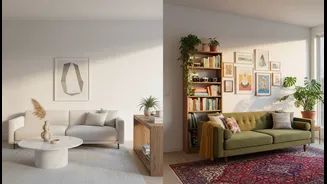
Remember the era of stark white walls, untouchable velvet sofas, and glossy surfaces where a single fingerprint felt like a crime? For the better part of a decade, this minimalist, almost clinical, aesthetic dominated platforms like Instagram and Pinterest.
It was a look that was beautiful to behold but often difficult to live in. Now, design experts and homeowners agree: the pendulum is swinging back. There's a collective move away from cold, over-sanitized spaces toward homes that feel warm, tactile, and deeply personal. The goal is no longer a house that looks like a pristine showroom, but a home that reflects the reality of the lives lived within it.
Why Comfort Is the New Luxury
This shift isn't just a fleeting trend; it's a response to major changes in how we live. The global pandemic forced millions to spend unprecedented time at home, blurring the lines between personal and professional life. Our homes had to become offices, gyms, and sanctuaries all at once. This intense period of domesticity highlighted the need for spaces that support mental well-being, promote relaxation, and offer genuine comfort. As a result, 'luxury' is being redefined. It’s less about flashy finishes and more about the quiet, everyday pleasure of a home that feels organized, functional, and easy to enjoy. Comfort has become a wellness priority, a way to create a haven from a fast-paced world.
What a 'Comfortable' Home Looks Like
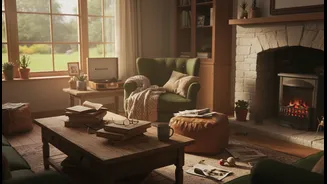
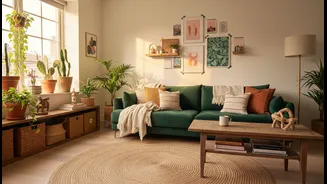
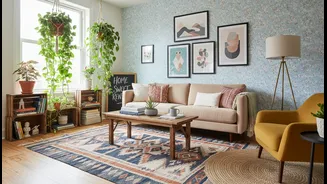
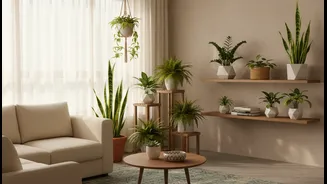
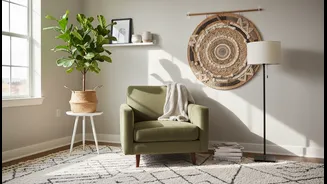
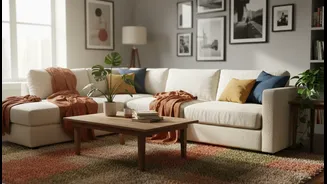
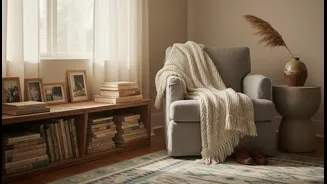
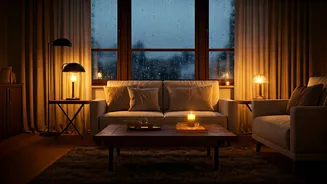
So, what does this new focus on comfort actually entail? It’s far more than just adding a few cushions. In India, this trend translates to a 'warm minimalism' that embraces soft neutrals, earthy tones like terracotta and olive green, and natural materials. Stark whites and cool greys are being replaced by colour palettes that feel calming and work well in Indian lighting conditions. There’s a strong emphasis on texture—natural woods, stone, cane, rattan, and fabrics like linen and cotton add depth and a tactile quality. Lighting has also become a key component, with a move toward layered, ambient schemes that create a soft, inviting mood rather than just stark brightness. Furniture is chosen for both form and function, with an appreciation for durable, practical pieces that can stand the test of time.
A Personal Story, Not a Perfect Picture
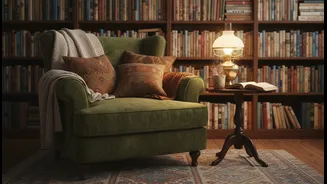
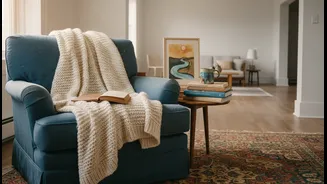
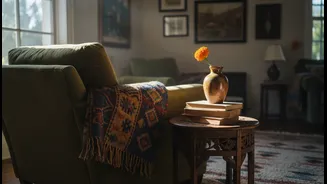
Ultimately, this trend is about authenticity. Homeowners are increasingly creating spaces that tell their own stories, mixing modern furniture with inherited pieces, regional crafts, and personal collections. The rise of concepts like 'burrowcore'—creating a cozy refuge you never want to leave—emphasizes this desire for personality over polish. Designers note that clients are no longer afraid of imperfections; in fact, materials that age gracefully, like unlacquered brass and natural stone, are gaining popularity because they develop character over time. A home is no longer just a backdrop for a perfect life, but an active participant in a real one—a place where memories are made and individuality is celebrated.