

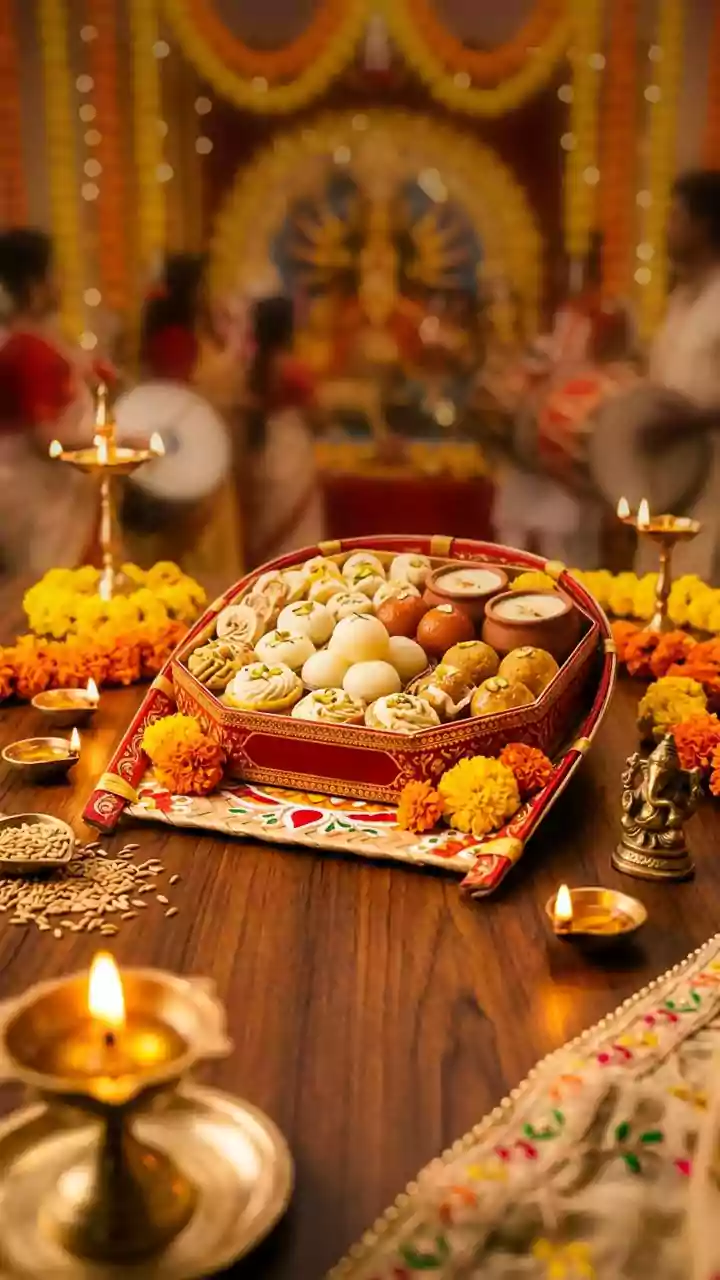

The air during any Indian festival is thick with nostalgia, often carrying the scent of ghee, roasting besan, and simmering milk. But today, that aroma mingles with the rustle of glossy paper from a box of store-bought sweets.
The Taste of Love and Legacy
For generations, the heart
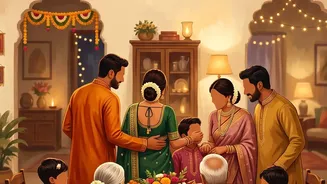
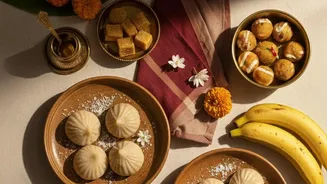
of festival preparations was the family kitchen, where grandmothers orchestrated a symphony of flavours. These weren't just recipes; they were rituals of love, patience, and heritage passed down without written instructions. A perfectly round besan laddoo or a meticulously folded gujiya was more than a dessert; it was a story, a blessing, and an edible form of 'ghar jaisa' comfort that no commercial kitchen could replicate. This tradition of making and sharing sweets is deeply woven into the fabric of Indian hospitality, acting as a gesture of joy, community, and connection that strengthens social ties during celebrations.
The Pressures of the Present
The shift towards store-bought sweets is not a rejection of this legacy but a practical adaptation to modern life. In many urban households, with nuclear family structures, dual-income couples, and demanding schedules, the hours required for traditional sweet-making have become a luxury. For women who are juggling careers and home management, convenience is no longer a perk but a necessity. The geographical distance that separates many families from their elders also means that the hands-on guidance from a grandmother is often unavailable. In this context, buying sweets becomes a sensible solution to keep festive traditions alive without adding to the stress of an already busy life.
From Halwai to High-End Brand
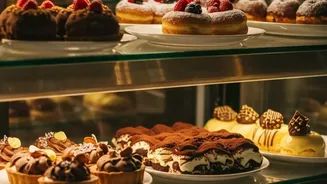
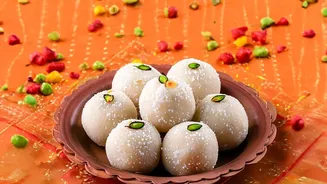
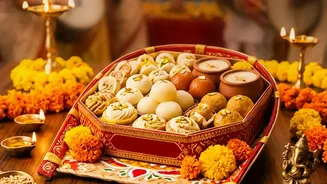
The market has evolved to meet this new reality. Gone are the days when store-bought mithai was seen as a generic or less-than-ideal option, sometimes associated with concerns about adulteration. Today, the Indian sweets market is experiencing a significant premiumisation. Organised brands like Haldiram's, Bikanervala, and a host of new-age artisanal labels offer sweets that promise quality, hygiene, and sophisticated presentation. With offerings like fusion mithai, sugar-free options, and beautifully curated gift boxes, these brands have transformed the act of buying sweets into a thoughtful, deliberate choice. This focus on premium ingredients and elegant packaging makes a store-bought box feel just as special as a homemade platter.
A Table of Coexistence
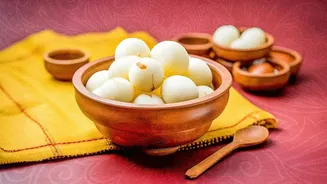
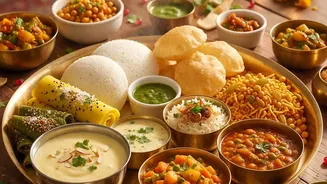
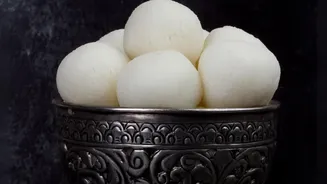
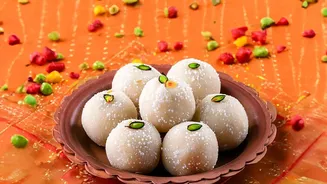
What is emerging in many Indian homes is not a replacement of tradition, but a beautiful coexistence. The festival table now often features a combination of both. A family might purchase an assortment of kaju katli and other intricate sweets from a trusted brand to serve guests and gift to neighbours. Alongside these, pride of place is given to one or two signature homemade dishes—perhaps a simple suji ka halwa or a special kheer—that carry the irreplaceable touch of a family recipe. This hybrid approach allows families to honour the emotional significance of homemade food while embracing the practicality of ready-made options. It ensures the spirit of abundance and celebration continues, just in a more manageable form.