


The End of the White-Wall Era?
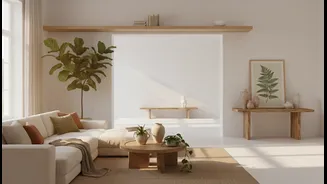
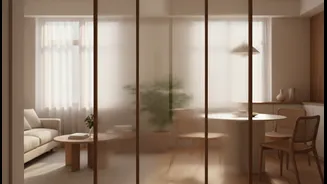
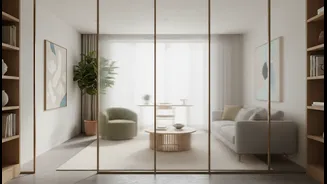
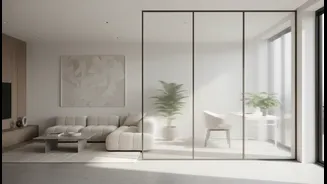
For the better part of a decade, the all-white aesthetic dominated everything from kitchens to living rooms. It was clean, bright, and endlessly versatile. However, many who adopted the look began to notice its downsides. In real life, these spaces often
felt cold, clinical, and difficult to maintain. Every scuff mark stands out, and without careful styling and abundant natural light, the rooms can feel flat and unfinished rather than minimalist and serene. The reality of living in a pristine white box proved impractical, especially for families, leading many to seek alternatives that are more forgiving and full of life.
A Collective Craving for Coziness
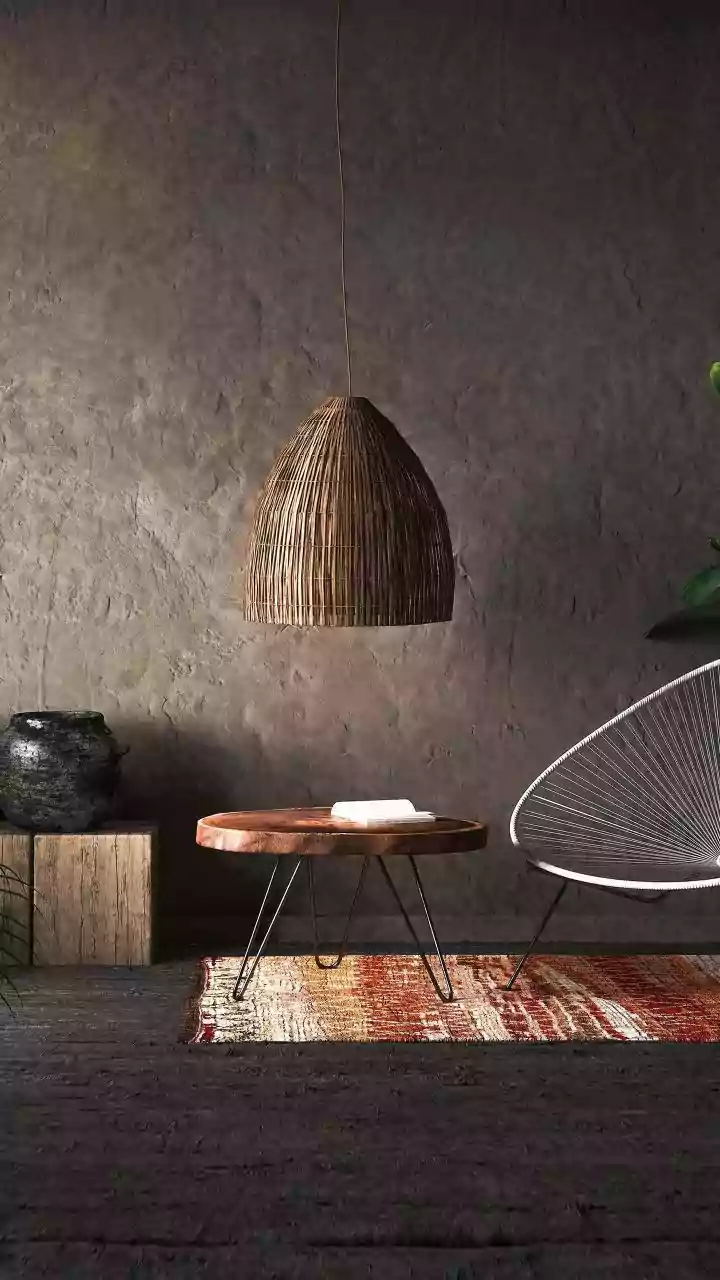
The shift away from white isn't just about practicality; it's psychological. In a busy, screen-filled world, there is a growing desire for our homes to be true sanctuaries—places of calm, comfort, and stability. Earth tones, by their very nature, are grounding. Shades of brown, beige, terracotta, and muted green evoke a sense of warmth and security, connecting us to the natural world. This trend, often linked to biophilic design, is about creating environments that feel restorative and nurturing, reducing stress and improving our overall sense of well-being. The goal has shifted from creating a picture-perfect space to cultivating one that genuinely feels good to live in.
Decoding the New Palette: Earth and Wood
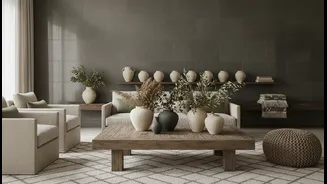
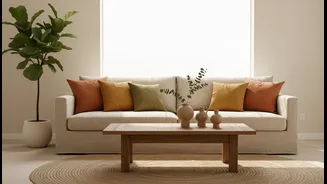
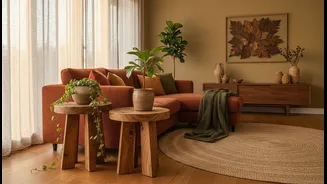
So, what does this new look entail? At its heart are colours drawn from nature: terracotta, sage green, olive, sandy beiges, and rich chocolate browns. These hues are warm, inviting, and have a timeless quality. They are being paired with the authentic character of natural materials, especially wood. The distinct grain of woods like teak, sheesham, walnut, and oak is no longer being painted over but celebrated. This combination of earthy colour and natural texture adds depth, character, and a sense of history to a room, making it feel curated and personal rather than stark and impersonal.
Making It Work: Tips for Your Home
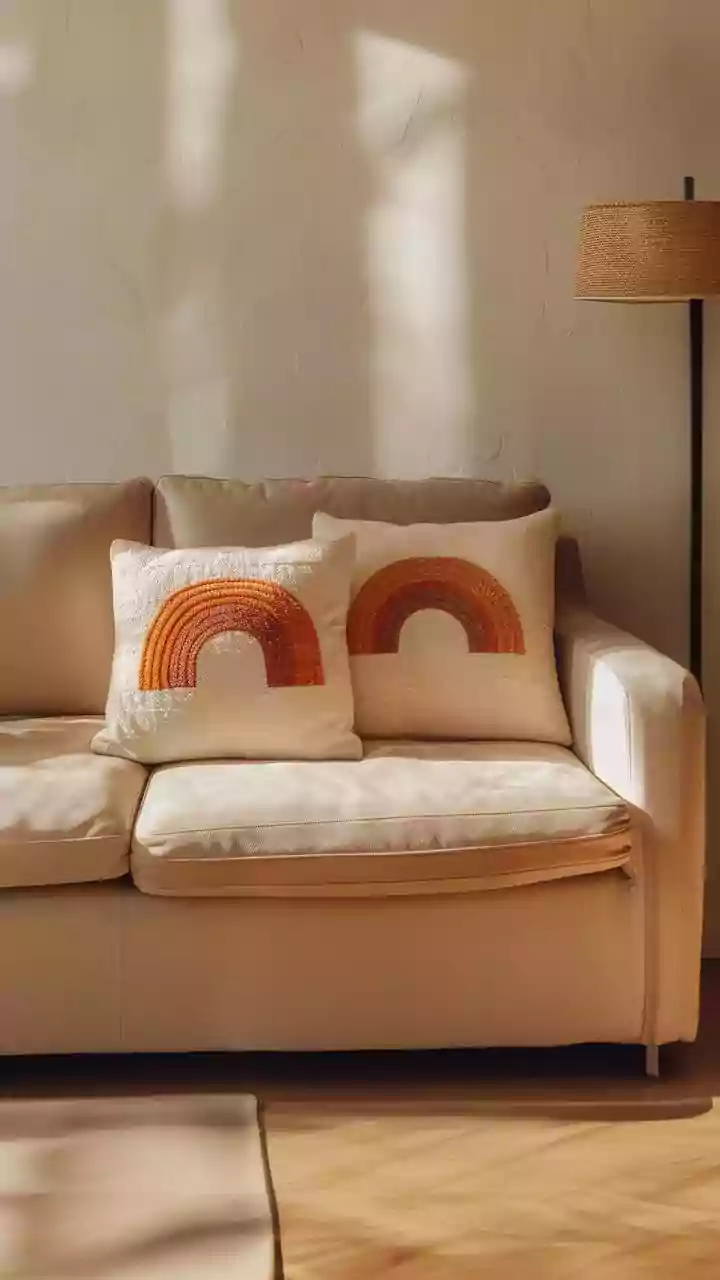
Adopting this trend doesn't require a complete overhaul. You can start small to see how these tones work in your space. Introduce earthy colours through textiles like cushions, rugs, and throws in shades of rust or olive green. Incorporate natural wood with a new coffee table, a set of shelves, or decorative accessories like bowls and trays. Ceramic vases, earthenware, and indoor plants in terracotta pots are other easy ways to add a touch of this grounded aesthetic. If you're ready for a bigger change, consider painting a single accent wall in a warm, muted tone like greige or terracotta to instantly change the mood of a room without overwhelming it.
A Natural Fit for Indian Homes
This global trend resonates deeply within the Indian context. Traditional Indian design has long celebrated earthy materials and rich colours. Terracotta (mitti), handcrafted wooden furniture from local timbers like teak and mango wood, and handwoven textiles are already part of our design DNA. This trend is less an import and more a return to roots, blending seamlessly with both traditional and modern Indian homes. These warm palettes and natural materials are well-suited to the Indian climate and create spaces that feel both contemporary and deeply familiar.