







The Rise of the AI-Powered Coworker
Across India and the world, artificial intelligence is reshaping how work gets done. From drafting emails and summarising reports to analysing massive datasets, AI tools are augmenting human capabilities and boosting productivity. Sectors heavily exposed
to AI are already seeing nearly five times higher growth in labour productivity. This integration is not about replacing humans but partnering with them. As AI handles the repetitive, data-driven 'what' of a task, it frees up human employees to focus on the more strategic 'how' and 'why'. This shift is creating a new dynamic where technical proficiency with AI tools is becoming a baseline expectation, not the final goal.
Why Human Skills Are Now at a Premium
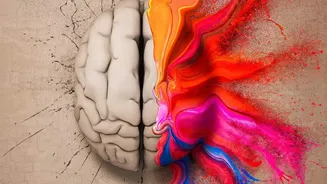
Ironically, the more technology infuses the workplace, the more valuable human-centric skills become. Employers recognise that AI, for all its power, lacks genuine understanding, ethical judgment, and emotional nuance. It can process data, but it can't build trust with a client, navigate a delicate team conflict, or inspire a group to innovate. A recent GMAC survey of over 600 global recruiters found that while AI skills are in demand, capabilities like communication, problem-solving, and adaptability are what employers consider most when hiring. This is because as AI automates tasks, the remaining human work becomes more focused on interpretation, collaboration, and complex decision-making—areas where people skills are essential.
The Most In-Demand 'People Skills' for 2026
So, which skills are becoming indispensable? Research consistently points to a core set of human competencies. Emotional intelligence—the ability to understand and manage your own emotions and those of others—is critical for collaboration and leadership. Critical thinking and creative problem-solving are vital for interpreting AI-generated insights and charting new paths that a machine can't envision. Strong communication skills are needed to tell a compelling story with data and align teams around a common goal. Adaptability and a willingness to learn are also key, as the half-life of technical skills shortens and the ability to pivot becomes a survival skill. These 'durable skills' hold their value across economic shifts and technological disruptions.
Leading and Managing in the AI Era
The rise of AI also changes the nature of leadership. In an AI-enabled organisation, a manager's role shifts from simply overseeing execution to designing workflows and fostering a culture of responsible AI use. Instead of just having deep expertise in a specific area, leaders must now be adept at creating clarity from complexity and guiding teams that are a mix of human and machine collaborators. This requires exceptional people skills, including coaching, relationship management, and empathy, to build employee trust and ensure that technology serves to enhance work, not just automate it. Leadership is less about managing tasks and more about developing judgment and guiding people through constant change.
How to Future-Proof Your Career
For professionals in India looking to stay competitive, the message is clear: embrace AI as a tool but invest deeply in your human skills. There is a significant demand-supply gap in India for roles requiring AI proficiency combined with these core competencies. Start by gaining AI literacy; you don't need to be a coder, but you should understand what AI can and cannot do. Actively seek opportunities to practice skills like critical thinking, collaborative problem-solving, and clear communication. View your career development as an ongoing process of upskilling in both technical and human domains. As one expert noted, you won't be replaced by AI, but you might be replaced by someone who knows how to use AI effectively—and that effectiveness is unlocked by strong people skills.