







The Foundational Market: A Taste of Home
The initial push for Indian snack brands to venture overseas was fueled by a powerful and reliable customer base: the Indian diaspora. For millions of Indians living abroad in countries like the United States, United Kingdom, Australia, and the Middle
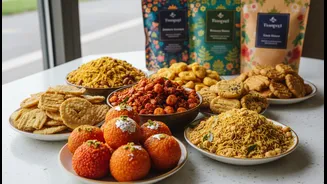
East, these snacks are more than just food; they are a direct connection to home, culture, and memory. This built-in demand created a stable launching pad for companies to establish a foothold in foreign markets. Brands like Haldiram's, which started exporting to the US as early as 1993, initially focused almost exclusively on catering to these communities. The goal was simple: provide the authentic tastes that people missed, ensuring that someone in London or Dubai could enjoy the same Bikaneri bhujia they grew up with. This strategy proved incredibly successful, turning a craving for familiar flavours into a multi-billion dollar export category.
Beyond the Comfort Zone: Courting Global Palates
While the diaspora provided the base, the ambition of brands like Haldiram's and Bikaji quickly grew beyond just serving expatriates. The real challenge and opportunity lay in crossing over to mainstream consumers. This required a strategic pivot from simply exporting authentic products to actively adapting them for local preferences. The goal is no longer just to be found in specialty ethnic aisles but to compete for shelf space in major international retail chains like Walmart and Lulu. This move involves significant business decisions, from creating fusion products to adjusting spice levels and even investing in local manufacturing. Haldiram's, for example, opened a production facility in the UK to better serve the British and European markets, signaling a long-term commitment to becoming a local, not just an imported, brand.
The Adaptation Dilemma: How Much to Change?
The core decision for any Indian brand going global is how much to change its product. Striking the right balance between authenticity and local adaptation is critical. Some companies make products according to local tastes in each market to take Indian snacks global. This can mean developing milder versions of traditionally spicy snacks for European palates or creating new product lines altogether, like frozen foods or even paneer bhujia, initially targeted at export markets. Packaging is another key area of innovation. Haldiram's was a pioneer in adopting modern, zip-pouch packaging to extend shelf life and compete with international brands on freshness and presentation. However, brands also recognize that their core appeal lies in their Indian roots. Despite global expansion, many stick to traditional recipes for their flagship products, ensuring they don't lose the identity that made them successful in the first place.
Navigating the Global Gauntlet
Expanding internationally is fraught with challenges that go beyond taste. Businesses must navigate a complex web of international food safety regulations, which can vary significantly from country to country. Recent issues regarding contaminants have highlighted the intense scrutiny Indian food exports face, making compliance a top priority. Furthermore, building a global supply chain is a monumental task. It requires establishing robust distribution networks, managing logistics across continents, and in some cases, setting up local manufacturing facilities to ensure product quality and availability. Companies like Bikaji are making significant financial investments, such as a recent $2.9 million infusion into its US subsidiary, to strengthen its international operations and distribution, signaling a clear intent to become a global player.