


The One-Pose Wonder
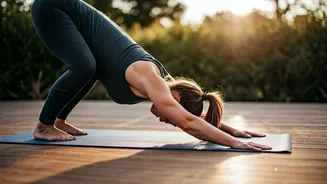
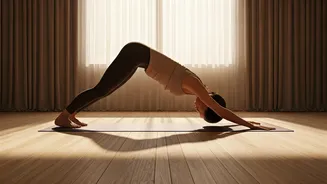
Chances are you've seen the iconic inverted 'V' shape of Downward-Facing Dog, or Adho Mukha Svanasana in Sanskrit. [2, 9] It’s a cornerstone of nearly every yoga practice for a reason. [2] But beyond the yoga studio, it's gaining renewed appreciation
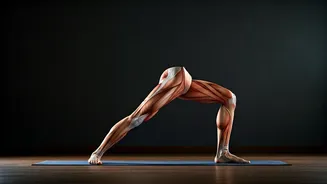
as perhaps the single most efficient full-body stretch you can do. [8] The pose is a unique combination of stretching and strengthening, targeting multiple muscle groups at once. [1, 13] It simultaneously lengthens the spine, opens the shoulders, and stretches the entire back of the legs, from your glutes to your Achilles tendons. [1, 5] This powerful combination counteracts the negative effects of prolonged sitting, making it an essential tool for anyone who spends hours at a desk. In just a minute, it can wake up your body, restore energy, and offer a moment of mental clarity. [1, 11]
A Full-Body Checklist of Benefits
The magic of Downward Dog lies in its comprehensive benefits. As a weight-bearing exercise, it builds strength in your hands, wrists, arms, and shoulders, which can help improve bone density. [11, 13] Your core muscles are engaged to keep your spine long and stable. [6] Meanwhile, your lower body gets a deep stretch through the hamstrings, calves, and ankles. [10] But the benefits aren't just muscular. As a mild inversion where your head is below your heart, it improves blood flow throughout the body, including to the brain. [5, 13] This boost in circulation can help relieve fatigue, ease headaches, and calm the nervous system. [5, 19] Many find it to be both energizing and deeply restorative, a rare combination that makes it perfect for starting your day or winding down. [11]
Your Step-by-Step Guide
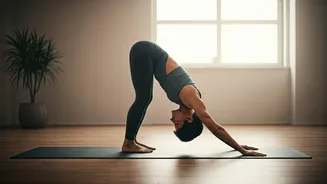
Getting into a good Downward Dog is easier than you think. Follow these simple steps for proper alignment: Start on your hands and knees in a tabletop position, with your hands slightly in front of your shoulders and your knees directly below your hips. [2] Spread your fingers wide and press firmly into your entire hand, especially the base of your index finger. [1] On an exhale, tuck your toes and lift your knees off the floor, sending your hips up and back toward the ceiling. [1, 8] Your body should form a rough inverted 'V' shape. [2] Let your head hang freely between your upper arms, so your neck is long. [19] Gently press your chest toward your thighs to lengthen your spine. Take deep, steady breaths, holding for 30 seconds or more. [3]
Common Mistakes and Easy Fixes
To get the most out of the pose and avoid strain, watch out for a few common misalignments. Many people focus too much on getting their heels to the floor, which can cause the back to round. [3, 14] Instead, prioritize a long, straight spine by bending your knees generously. [1, 4] It’s perfectly fine if your heels don’t touch the mat. [1, 20] Another common error is letting the shoulders creep up toward the ears. Actively press the ground away and widen your shoulder blades to create space. [15] Also, ensure your hands are shoulder-width apart to provide a stable base and prevent wrist strain. [3] Don't lock your elbows or knees; a micro-bend protects your joints. [7, 14]
How to Make It a Daily Habit
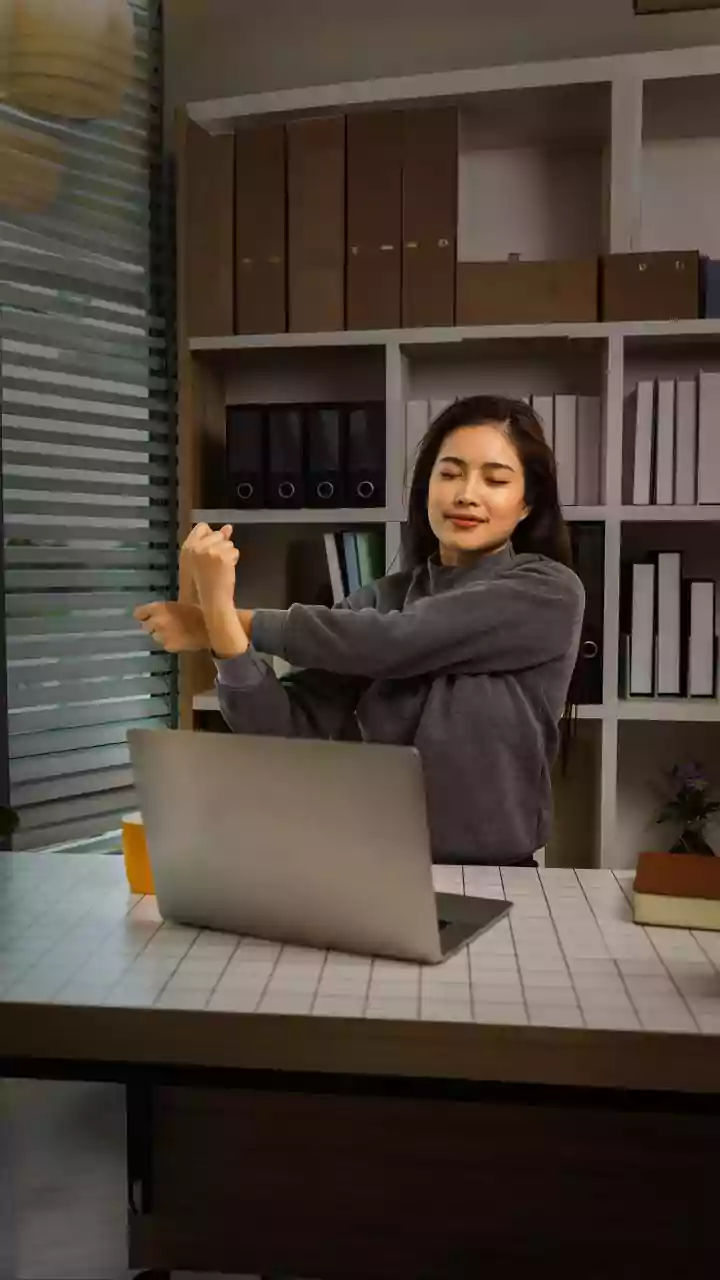
You don't need a full hour of yoga to reap the rewards of Downward Dog. Think of it as a tool for a quick body-and-mind reset. Try holding the pose for one minute when you first wake up to gently energize your body. [18] Feeling that mid-afternoon slump at your desk? Find a small space and do a Downward Dog to counteract the effects of sitting and boost blood flow. It also serves as an excellent 'check-in' pose, allowing you to quickly scan your body and notice where you feel tight or strong. [11] You can even 'walk the dog' by alternately bending one knee and then the other, which deepens the stretch in your calves and hamstrings. [7] This simple, powerful pose can become a go-to moment of self-care in your daily routine.