


Why Your Cleaning Routine Matters
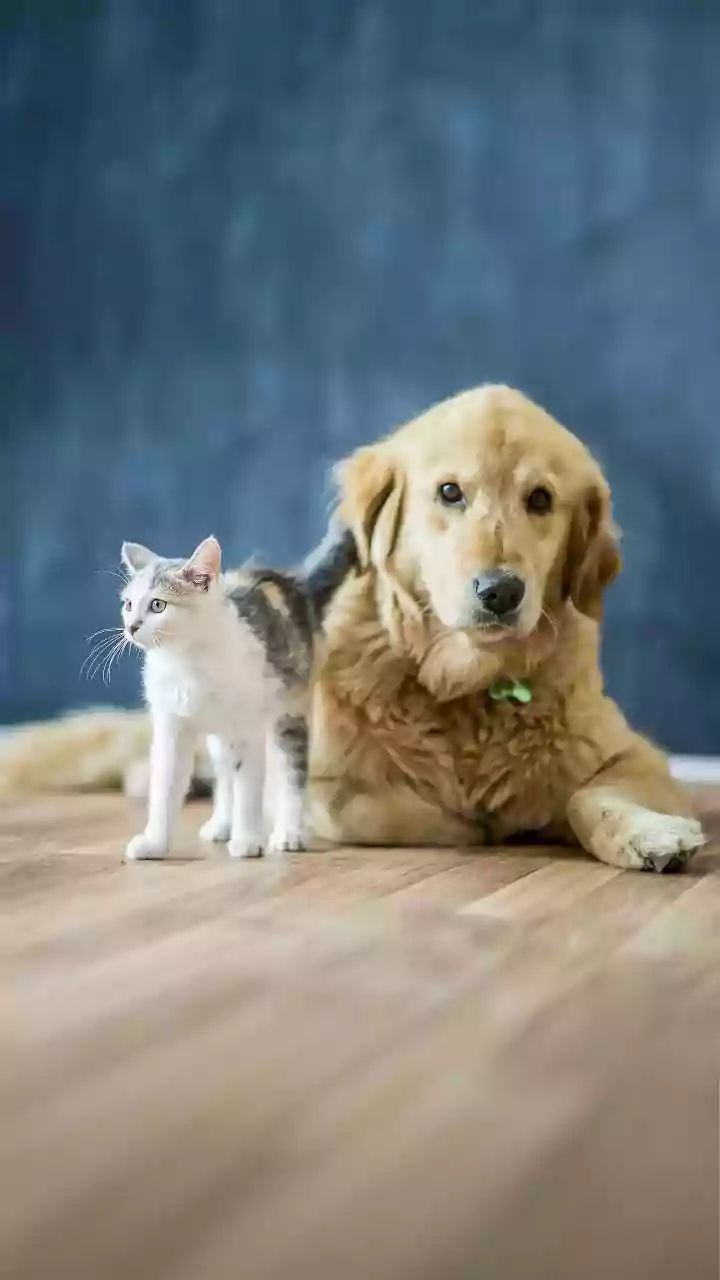
Pets experience the world differently than we do. They are much closer to the ground, and their daily behaviour puts them in direct contact with your floors. They walk on freshly mopped surfaces and then lick their paws, ingesting whatever residue is
left behind. Some pets may even lick or drink from puddles of water or cleaning solution. Furthermore, their sensitive noses can be irritated by strong fumes that we might barely notice. This constant, close-range exposure means that the chemicals you use to clean your floors can easily end up in your pet's system through ingestion, inhalation, or absorption through their paw pads, potentially causing serious health issues.
Harmful Ingredients to Avoid
Reading the ingredient label on your cleaning products is the first step to a safer home. Many popular and effective cleaners contain substances that are toxic to animals. Key culprits to watch out for include Ammonia, often found in glass and multi-surface cleaners, which can irritate your pet's respiratory system and eyes. Bleach and Chlorine, while powerful disinfectants, can cause chemical burns, vomiting, and respiratory distress if ingested or inhaled. Phenols, common in disinfectants with a “pine” scent or those claiming to kill germs, are particularly toxic to cats who lack the liver enzymes to process them. Also be wary of phthalates (often listed simply as 'fragrance'), formaldehyde, and certain alcohols, as these can also cause a range of symptoms from stomach upset to neurological issues.
Building a Pet-Safe Cleaning Kit
The good news is that keeping your floors clean and your pets safe is entirely possible with a few smart swaps. Many effective cleaning solutions can be made with simple, non-toxic household staples. A solution of equal parts white vinegar and water is a fantastic all-purpose cleaner for tile, vinyl, and linoleum floors. The acetic acid in vinegar is a natural disinfectant. For tougher grime, a paste of baking soda and water acts as a gentle abrasive that can scrub away stains without scratching surfaces. If you prefer commercial products, look for cleaners specifically labelled as 'pet-safe' and check that they are free from the harmful chemicals listed above. Plant-based soaps like castile soap are also a great, non-toxic option when diluted with water.
A Step-by-Step Safe Cleaning Guide
Even with safe products, the right process makes all the difference. First, before you begin cleaning, move your pet to a separate, secure room. This prevents them from walking on wet surfaces or getting underfoot. Once the area is clear, proceed with your mopping or scrubbing. If you've used a cleaning solution (even a DIY one), it's a good practice to go over the floor once more with plain water to rinse away any residue. The most critical final step is to ensure the floor is completely dry before letting your pet back into the room. This eliminates the risk of them licking any remaining moisture off their paws. Good ventilation, like opening windows or using a fan, can speed up drying time and dissipate any lingering smells.
Recognising Signs of Poisoning
Accidents can happen even in the most careful homes. It's vital to know the warning signs of poisoning from cleaning products. Symptoms can vary but often include excessive drooling, vomiting, diarrhea, lethargy, or difficulty breathing. You might also notice skin irritation, redness, or sores on their paws or around their mouth. In more severe cases, a pet might experience disorientation or even seizures. If you suspect your pet has ingested or been exposed to a toxic substance, do not wait. Contact your veterinarian or an emergency pet poison helpline immediately for guidance. Have the cleaning product's packaging on hand if possible, so you can tell them the specific ingredients involved.