



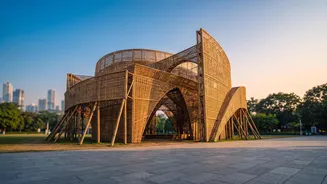
The City Becomes an Art Gallery
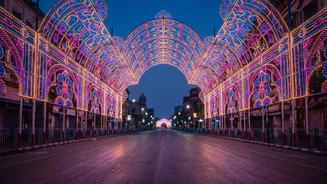
The single biggest driver of crowds is 'pandal hopping'. Across the city, thousands of temporary structures, or pandals, are built to house the idol of Goddess Durga. These are not simple marquees; they are elaborate, competitive works of art. Each pandal has
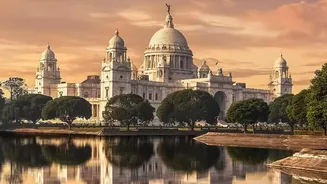
a unique theme, ranging from replicas of historical monuments to abstract social commentaries, turning Kolkata into a massive, open-air art gallery. People travel across the city, often all night, to witness these creative marvels. The friendly rivalry between North Kolkata's traditional pujas and South Kolkata's grand, thematic installations means there is always something new to see.
A City-Wide Food Festival
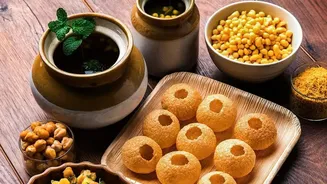
Durga Puja is a city-wide feast. While much of India fasts during Navratri, Kolkata indulges in a culinary marathon. Streets are lined with food stalls that stay open all night, serving everything from iconic kathi rolls and phuchkas to spicy chowmein and biryani. Restaurants offer special puja menus, and the community 'bhog'—a consecrated meal of khichuri and mixed vegetables served at pandals—is a cherished tradition. For five days, food becomes a central part of the celebration, drawing millions onto the streets to eat, meet, and celebrate.
The Great Bengali Homecoming
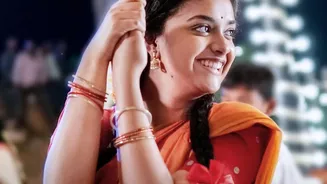
For Bengalis, Durga Puja is also a celebration of homecoming, symbolizing the goddess's return to her paternal home. This sentiment fuels a massive annual migration, as Bengalis living across India and the world flock back to Kolkata to be with their families. This influx significantly swells the city's population, filling homes, streets, and markets. The festival is as much about community and family reunions as it is about religious rituals, and this homecoming spirit is a major reason for the increased bustle and emotional energy in the city.
An Economic Powerhouse
The economic activity surrounding Durga Puja is immense. In fact, the festival's creative economy is a significant contributor to West Bengal's GDP. The festive rush begins weeks in advance with 'Pujo shopping,' as everyone buys new clothes for the occasion. The festival provides livelihoods for countless artisans who create the idols, decorators, electricians, and labourers who build the pandals. This economic engine, worth thousands of crores, creates a massive commercial buzz, with retail, hospitality, and food and beverage sectors seeing a huge surge in business, adding to the city's overall activity.
A Non-Stop Cultural Spectacle
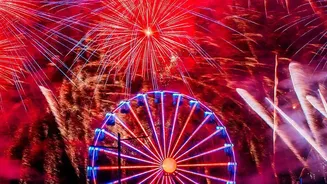
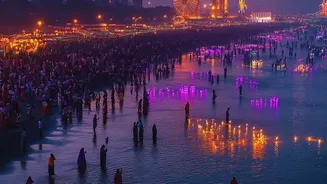
The festival is a vibrant cultural extravaganza that goes far beyond religious rites. The air thrums with the distinctive beat of the 'dhak' (a traditional drum), an essential sound of the Puja. Many pandals host cultural programs featuring music, dance, and drama. On the final day, the immersion processions are a spectacle in themselves, filled with dancing and music as the idols are carried to the river. This constant sensory feast of sights and sounds ensures the city is alive with activity at all hours, drawing people out to participate in the collective celebration.