







The Vision: A National AI University
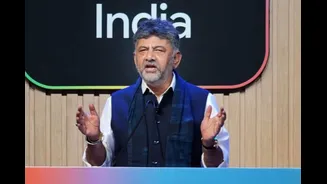
The state of Karnataka has announced an ambitious plan to establish India's first government-driven artificial intelligence university. Unveiled at the Google I/O Connect event in Bengaluru by Chief Minister D.K. Shivakumar, the initiative aims to create
a world-class institution focused exclusively on AI. The proposal includes a main 100-acre campus in Bengaluru, with regional campuses planned across other key cities like Mysuru, Mangaluru, and Hubballi-Dharwad. This move is part of a broader vision for Karnataka to become an “AI-native state,” where technology is deeply integrated into governance and public services to improve everything from healthcare diagnostics to agricultural advice. The goal is to build an entire ecosystem, not just a college, that can nurture top-tier talent and drive innovation.
Why This Matters for Students
For aspiring tech professionals, this development is a game-changer. The proposed university and its affiliated campuses promise to offer highly specialized undergraduate, postgraduate, and doctoral programs in AI and related fields. Unlike general computer science degrees with an AI elective, these courses will be designed from the ground up to build deep expertise. Students should closely watch for announcements on curriculum structure, which will likely be developed in consultation with industry leaders to bridge the gap between academic theory and real-world job requirements. The emphasis will be on practical skills, with initiatives like 50 new AI labs in government colleges across Karnataka already underway to democratise access to hands-on training. Prospective students should track faculty recruitment, as the quality of professors—especially those with a background in active research and industry leadership—will be a key indicator of the university's standard.
A New Hub for Researchers and Innovators
The plan extends beyond just teaching; it aims to create a vibrant research and development hub. An 'AI Hub' will function alongside the university as an incubation center for startups, established companies, and academic researchers. This model is designed to foster strong collaboration between academia and industry, providing researchers with the infrastructure and funding needed to pursue cutting-edge projects. The government also plans to build next-generation green data centers to provide the immense computing power required for advanced AI work, a resource often out of reach for smaller firms and academic labs. This focus on creating a complete ecosystem could help India retain its top talent, which has historically been lost to brain drain. Researchers should monitor opportunities for fellowships, grants, and access to these high-performance computing facilities.
What Tech Employers Should Watch
Technology companies and Global Capability Centers (GCCs) stand to benefit immensely from a concentrated pipeline of AI-ready talent. India already leads the world in AI talent acquisition and has a fast-growing skill penetration rate. However, reports note a gap between being 'AI-proficient' and truly 'AI-native'—a distinction that requires deep engineering judgment and foundational skills. This new university aims to close that gap. Employers should look for partnership opportunities, such as co-developing curriculum, offering internships, and collaborating on research projects. The establishment of a dedicated AI university signals a move towards creating a workforce with specialized, verifiable skills rather than generalist degrees. This aligns with the growing trend of skills-based hiring, where a candidate's specific capabilities in areas like machine learning and data science are valued more than just a degree title.
The Road Ahead: Challenges and Opportunities
While the announcement is a major step forward, the path to implementation has its hurdles. Key details regarding the university's governance, admission process, and official launch timeline are yet to be finalised. Attracting and retaining world-class faculty will be critical to its success, as will securing the significant and sustained funding required for such an ambitious project. The initiative is part of the broader IndiaAI Mission, a ₹10,300 crore national program designed to build a comprehensive AI ecosystem. This national backing provides a strong foundation. As plans take shape, all stakeholders—from students choosing a career path to companies defining their talent strategy—should stay informed. The success of these specialized campuses could very well determine the future of India's technology landscape.