
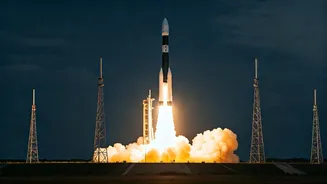


Safety Over Spectacle
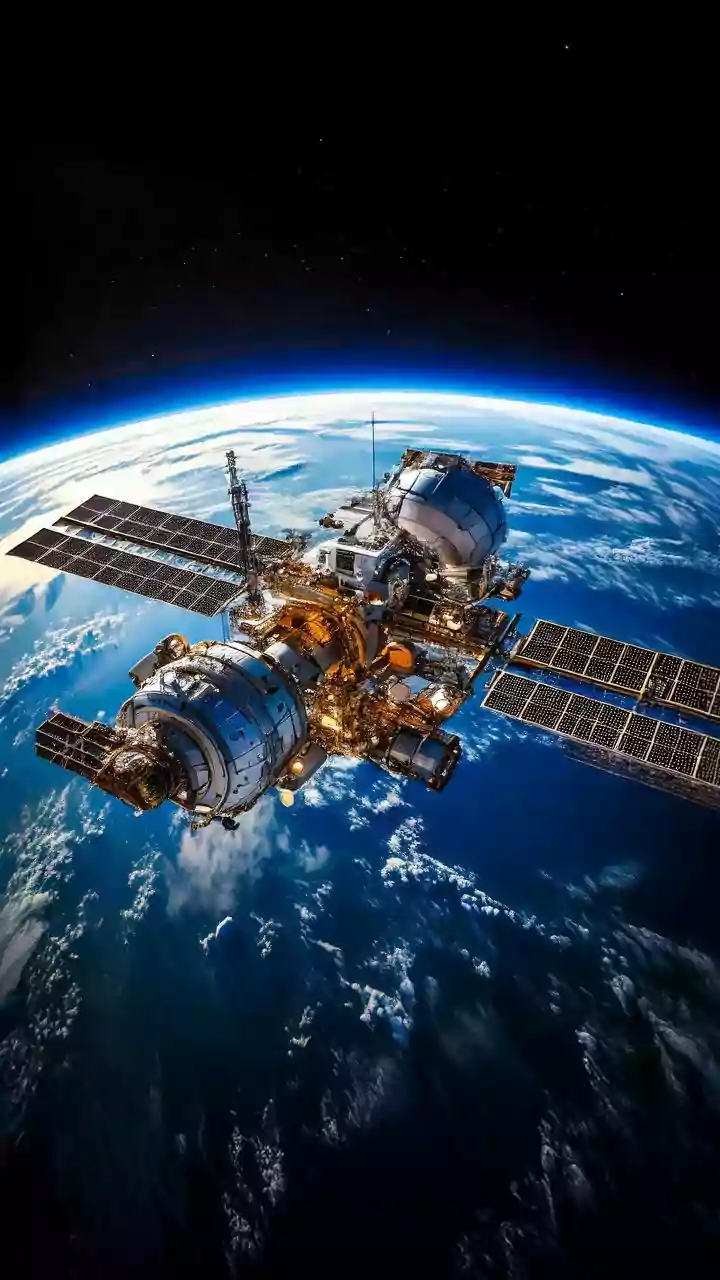
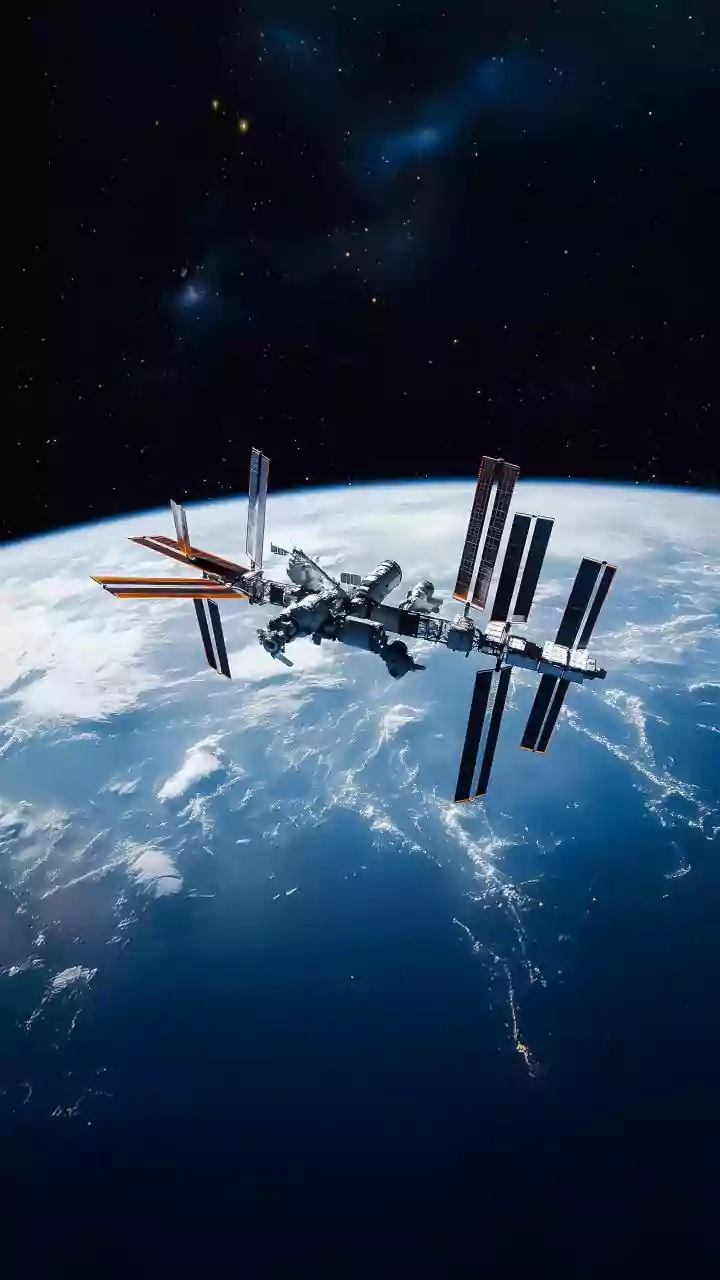
Before India sends its ‘Gaganyatris’ to an orbit of 400 kilometres for a three-day mission, every single component of the journey must be proven to be safe. Human spaceflight demands a reliability of over 99.9%, a standard far more stringent than that
for robotic missions. This is where the uncrewed tests come in. They are not just rehearsals; they are the ultimate examinations of the technology and procedures that will protect the lives of the astronauts. The Indian Space Research Organisation (ISRO) is conducting a series of these tests to validate everything from the launch vehicle's performance to the crew module's safe return. Recent statements from ISRO officials confirm that thousands of ground and structural tests have already been completed, paving the way for these crucial flights.
The Anatomy of a Test
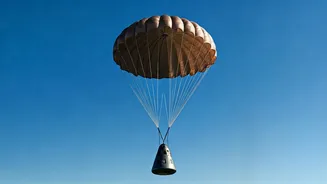
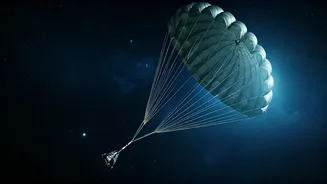
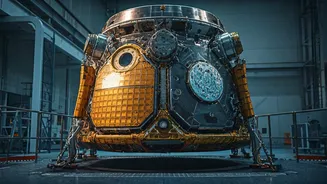
The uncrewed test campaign is a multi-stage process designed to tackle the riskiest parts of a space mission. A key early success was the Test Vehicle Abort Mission-1 (TV-D1) in October 2023. This test was designed to prove that the Crew Escape System (CES) could pull the crew capsule and its occupants to safety in the event of a launch failure. During the TV-D1 test, a rocket deliberately triggered an abort scenario at an altitude of about 17 kilometres, and the escape system functioned perfectly, pulling the module away before it splashed down safely in the Bay of Bengal. Following this, ISRO has successfully conducted Integrated Air Drop Tests (IADT) to validate the complex parachute system. In these tests, a dummy capsule is dropped from a helicopter to ensure the sequence of 10 parachutes can slow the module for a gentle splashdown.
Meet Vyommitra: The Humanoid Stand-In
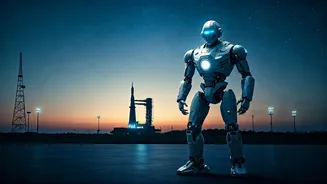
The upcoming full-scale uncrewed mission, known as the G1 flight, will feature a very special passenger: Vyommitra. Derived from the Sanskrit words for 'space' (Vyoma) and 'friend' (Mitra), Vyommitra is a sophisticated female-presenting humanoid robot developed by ISRO. More than just a dummy, this 'space friend' is a half-humanoid (torso only) designed to simulate human functions during the flight. Vyommitra can operate switch panels, monitor the environmental control and life-support systems, and communicate with the ground crew. Data from her sensors will provide invaluable insight into how the cabin environment affects a human body, checking parameters like vibration, radiation, and life support without risking a human life. She will be the eyes and ears for ISRO, ensuring the vehicle is perfectly tuned for its future human occupants.
The Road to a Crewed Launch
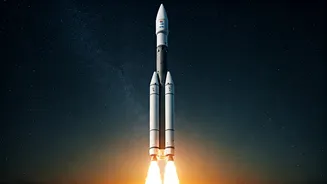
The path to sending humans into space is a marathon, not a sprint. ISRO plans to conduct multiple uncrewed missions before the final crewed flight, which is anticipated around 2027. The first full uncrewed orbital flight, G1, carrying Vyommitra, is a major upcoming milestone. This mission will test the entire sequence from launch on the human-rated LVM3 rocket to orbital manoeuvres and, finally, a safe re-entry and recovery from the sea. ISRO has indicated that the successful execution of its test flights will determine the final timeline. While there's always a possibility of delays to ensure absolute safety, the pace of testing shows a clear and determined push towards the goal. Four Indian Air Force pilots have already been selected and have undergone extensive training for the historic flight.