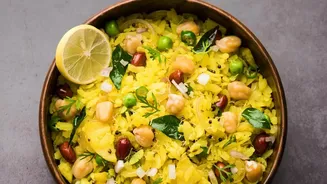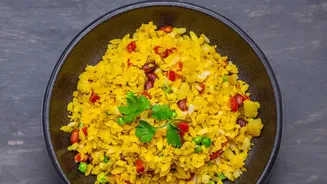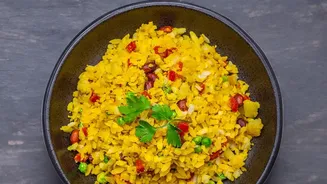


Poha is a beloved Indian breakfast, cherished for its simplicity and comforting taste. But this versatile flattened rice holds potential far beyond the classic morning meal. It's time to reinvent this staple and discover new, exciting ways to enjoy it.
Transform It into a Crispy Snack
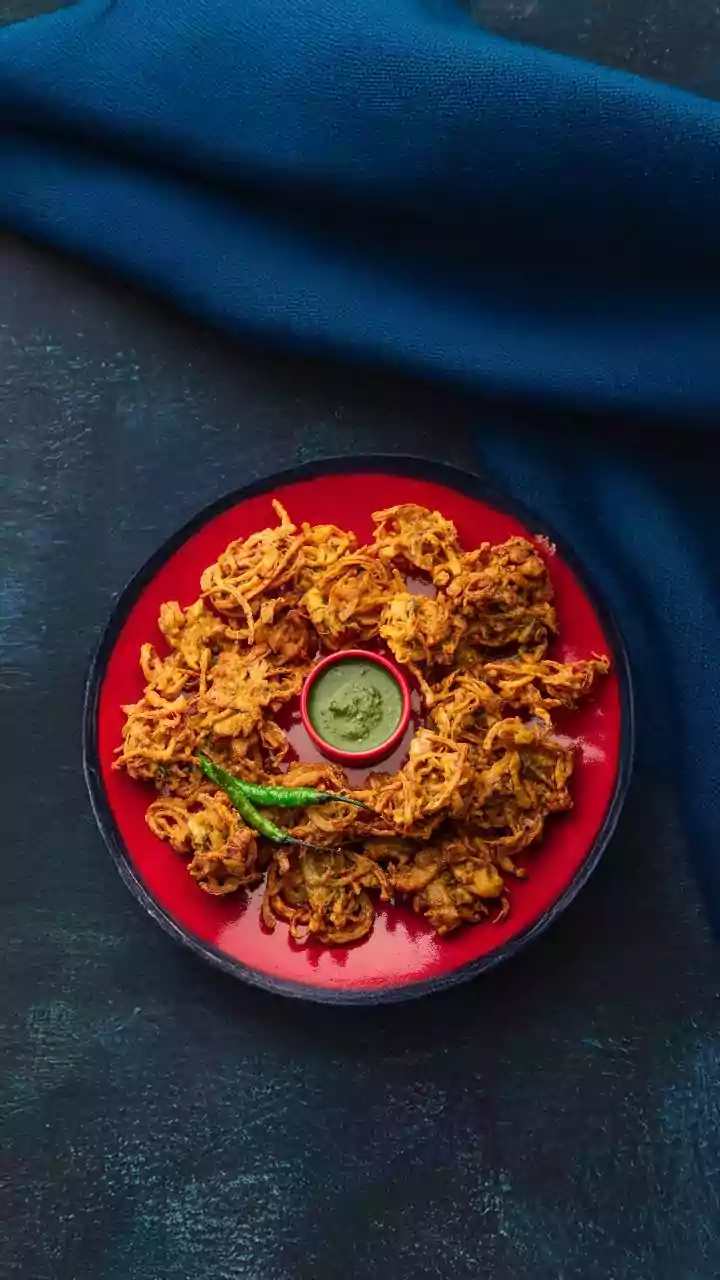
One of the most popular ways to give poha a new identity is by turning it into a crispy snack. Poha cutlets or tikkis are a fantastic evening treat. By combining softened poha with boiled, mashed potatoes, finely chopped vegetables, and a mix of spices, you create a pliable dough that can be shaped into patties. The poha acts as an excellent binding agent and gives the cutlets a unique, light crispiness when pan-fried or baked. You can experiment by adding ingredients like grated carrots, blanched peas, or even crumbled paneer for a protein boost. Serve these golden-brown delights hot with mint chutney or tomato ketchup for a satisfying snack.
Create a Tangy Poha Chaat
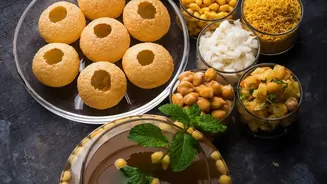
Bring the vibrant flavours of Indian street food to your poha with a quick and easy chaat. This no-cook or lightly-toasted preparation is perfect for a light meal or an impromptu snack. You can use either thick poha roasted until crisp or thin poha (chivda) as your base. Simply mix the poha with chopped onions, tomatoes, and cucumber. Then, drizzle it with tamarind chutney and green chutney, and finish with a sprinkle of chaat masala. For added texture and flavour, toss in roasted peanuts, crunchy sev, and fresh coriander. This creates a delightful medley of sweet, spicy, and tangy notes in every bite.
Build a Modern Poha Bowl
Take inspiration from global food trends and create a wholesome poha bowl. Start with a base of traditionally prepared poha and then get creative with toppings. This is a great way to add extra nutrition and textures to your meal. Think beyond the usual sev and peanuts. Consider adding cooked sprouts, cubed paneer, or even a side of chana for a protein-packed dish. For a fresh element, add pomegranate seeds, grated fresh coconut, or a simple cucumber and tomato salad on the side. This 'build-your-own' approach not only adds visual appeal but also transforms a simple breakfast into a complete and balanced meal suitable for lunch or dinner.
Experiment with International Flavours
Poha's neutral base makes it an excellent canvas for fusion cooking. Give it a spicy Chinese twist by sautéing it with finely chopped vegetables like carrots and capsicum, along with sauces like soy sauce, green chilli sauce, and even a spoonful of Schezwan chutney. Some recipes even incorporate paneer or soya chunks for a dish reminiscent of fried rice. Another interesting take is a Thai-style poha, where the flattened rice is tossed with grated carrots, capsicum, crushed peanuts, sugar, and a generous squeeze of lemon juice, creating a refreshing balance of sweet, sour, and crunchy. These fusion recipes offer an unexpected and delightful departure from the traditional taste.
Reimagine It in Other Dishes
Flattened rice is more than just the main ingredient; it can also be a game-changing component in other recipes. Ground poha can be used to make instant, spongy dhoklas or soft idlis. Its binding properties make it a great addition to the dough for thalipeeth or even as a coating for fried items to give them extra crunch. For those with a sweet tooth, poha can be roasted and ground to make delicious laddoos with jaggery, ghee, and nuts, or even a creamy phirni. These creative applications showcase just how adaptable this humble ingredient truly is, allowing it to seamlessly fit into snacks, main courses, and desserts alike.