


Understanding November Conditions
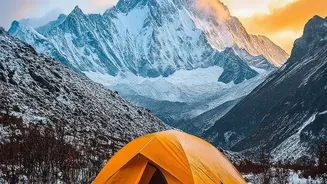
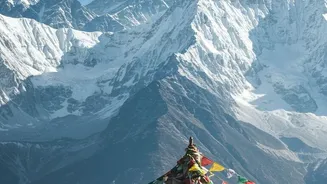
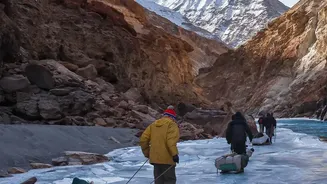
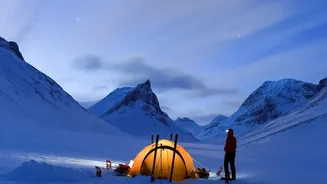
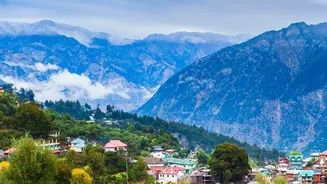
November sits in a sweet spot between the end of autumn and the start of winter. Expect mild, sunny days perfect for trekking, with daytime temperatures in lower regions hovering around 15°C. However, once the sun sets, temperatures drop dramatically,
often falling below freezing at higher altitudes. While the weather is generally stable and dry, the risk of snowfall increases as the month progresses, especially on high passes. This combination of clear views and cold nights means your packing and safety strategy must be versatile.
The Golden Rule: Acclimatise Properly
The most significant health risk when trekking in the Himalayas is Acute Mountain Sickness (AMS). It occurs when your body doesn't adapt to the lower oxygen levels at high altitudes. Symptoms can range from a mild headache, nausea, and dizziness to more severe, life-threatening conditions like High Altitude Cerebral Edema (HACE) or High Altitude Pulmonary Edema (HAPE). The cardinal rule for prevention is gradual ascent. Plan your itinerary to include acclimatisation days, and avoid increasing your sleeping altitude by more than 500 metres per night once you are above 3,000 metres. Staying well-hydrated by drinking plenty of water and avoiding alcohol are also crucial for helping your body adjust.
Essential Packing: The Layering System
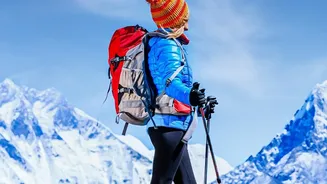
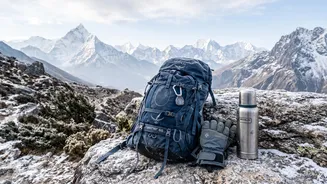
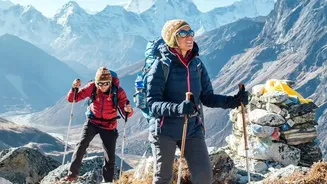
Dressing in layers is the most effective way to manage the fluctuating temperatures. Instead of one heavy jacket, plan for three or four lighter layers that you can add or remove as needed. Your system should include: a moisture-wicking base layer (synthetics or merino wool) to keep sweat off your skin; an insulating mid-layer like a fleece or a light down jacket for warmth; and a waterproof and windproof outer shell jacket to protect you from the elements. For colder conditions, especially in the evenings or at high altitudes, a warmer, padded down jacket is essential.
Footwear and Critical Accessories
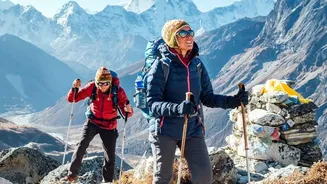
Your feet are your most important asset on a trek. Invest in a pair of waterproof hiking boots with good ankle support and, crucially, break them in before your trip. Blisters can ruin a trek. Pair them with quality wool or synthetic hiking socks to keep your feet dry and warm. Beyond footwear, other non-negotiable items include high-UV-protection sunglasses, as sun on snow can be intense, sunscreen, and a sun cap. A headlamp with extra batteries is vital for navigating in the early morning or after dark. Also, pack a basic first-aid kit with essentials like blister treatment (moleskin), pain relievers, and any personal medications.
Choosing Your Guide and Itinerary
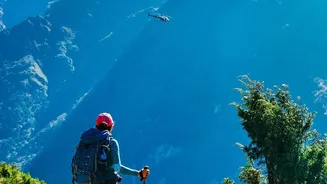
While it's possible to trek independently, hiring a reputable local guide or going through an established trekking company is highly recommended, especially for beginners. A good guide brings invaluable knowledge of the trail conditions, weather patterns, and safe acclimatisation schedules. They are also your first line of response in an emergency. In November, many classic routes like the Everest Base Camp Trek and Annapurna Circuit are in prime condition. However, be aware that some of the highest passes may start to close due to snow late in the month, so it's vital to choose an itinerary that matches both your fitness level and the prevailing conditions.