







The Humble Bottle Gourd (Lauki)
Often overlooked, lauki is a superstar during the monsoon. Composed of over 90% water, it's incredibly hydrating and exceptionally light on the digestive system, which tends to be sluggish during this season. Rich in fibre, it helps prevent constipation
and promotes gut health. Furthermore, its cooling properties help manage the humidity-induced discomfort. Lauki is also low in calories and packed with essential minerals like calcium, magnesium, and zinc. Its subtle flavour makes it incredibly versatile. You can juice it for a detoxifying morning drink, add it to dals for extra nutrients, or make a simple, comforting sabzi with minimal spices. It’s the perfect vegetable for a light yet nourishing meal.
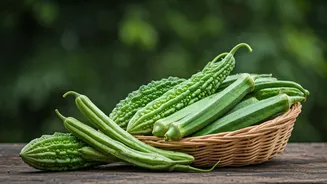
The Mighty Bitter Gourd (Karela)
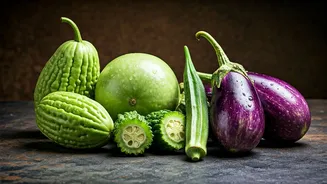
Don't let its bitter taste put you off. Karela is one of the most powerful vegetables for the monsoon. It is renowned for its immunity-boosting properties, thanks to its high vitamin C content and antiviral compounds. Traditional Indian medicine has long celebrated karela for its ability to regulate blood sugar levels and purify the blood. During the monsoon, when the risk of skin infections and allergies is high, consuming karela can help keep your skin clear and healthy. To make it more palatable, you can scrape its skin, marinate it in salt, and then squeeze out the bitter juice before cooking. A stuffed karela or a crispy, air-fried version can turn this medicinal vegetable into a delicious treat.
Versatile Pointed Gourd (Parwal)
Pointed gourd, or parwal, is another monsoon essential that is light, easy to digest, and packed with benefits. It's a great source of vitamins A and C, which are crucial for maintaining a strong immune system to fight off seasonal colds and fevers. Parwal is also rich in fibre, which aids digestion and keeps the gut clean—a priority during a season when water-borne diseases are a concern. Its seeds are known to help control cholesterol levels. This hardy vegetable holds its shape well when cooked, making it perfect for rich curries, simple stir-fries (bhujia), or even as a filling for savoury snacks. Its mild taste allows it to absorb the flavours of the spices it's cooked with beautifully.
Soothing Ridge Gourd (Turai)
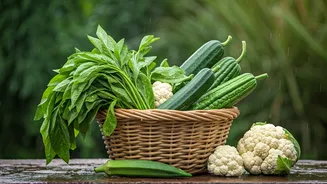
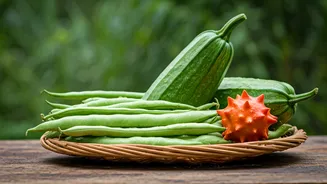
Similar to lauki, ridge gourd (turai or tori) is a hydrating and cooling vegetable ideal for the humid monsoon weather. It's particularly recommended in Ayurveda to balance the body's 'pitta' dosha, which can get aggravated by the acidic and humid environment. Turai is an excellent blood purifier and works wonders for digestive health. Its low-calorie, high-fibre nature makes it a great choice for weight management. The vegetable also contains insulin-like peptides that can help manage blood sugar. A simple turai sabzi, perhaps cooked with chana dal, is a staple in many Indian homes during this season for good reason—it’s gentle on the stomach, nutritious, and deeply comforting.
Hearty Tubers (Sweet Potato & Yam)
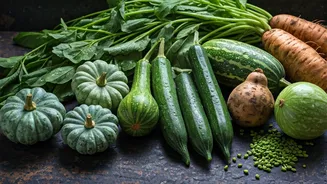
While we are often advised to avoid root vegetables that have been sitting in mud, certain tubers like sweet potato (shakarkandi) and elephant foot yam (suran) are excellent choices. They are complex carbohydrates that provide sustained energy, helping combat the lethargy that often accompanies gloomy monsoon days. Sweet potatoes are a fantastic source of beta-carotene and Vitamin C, both powerful antioxidants that bolster your immune defence. Yams are great for gut health and are known to have anti-inflammatory properties. Roasting, boiling, or adding them to stews and curries are great ways to incorporate these earthy, filling vegetables into your monsoon diet.
A Note on Leafy Greens
While leafy greens are nutritional powerhouses, they require extra caution during the monsoon. The damp conditions mean they are more likely to carry mud, dirt, and microbes. If you do choose to eat spinach (palak), fenugreek (methi), or other greens, ensure you wash them thoroughly. Soaking them in a solution of warm water with salt or vinegar for about 15 minutes can help dislodge impurities. It's also best to cook them thoroughly rather than consuming them raw in salads. Opting for the other vegetables on this list is often a safer bet to avoid digestive distress.