


The Dawn of the 'Anti-Tourist'
There's a quiet revolution happening in how India travels. The frantic, checklist-driven holiday is giving way to something slower and more meaningful. Instead of collecting destinations, a growing number of travellers are seeking experiences, driven by
a desire for authenticity that popular, overcrowded spots can no longer provide. This new approach, often called 'slow travel', prioritises depth over distance. It's about staying longer in one place, engaging with the local community, and trading a packed itinerary for spontaneous discovery. This shift is especially pronounced among younger generations who, driven by burnout and constant connectivity, are increasingly seeking out travel that offers a genuine reset. Many now actively look for destinations before they become too popular, searching for a sense of peace and personal connection.
Seeking Serenity in Nature's Lap
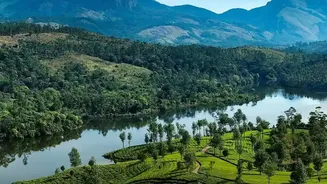
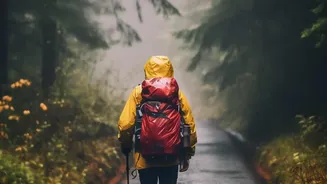
The search for tranquility is leading travellers to India's vast, unspoiled landscapes. Remote Himalayan valleys in Uttarakhand and Himachal Pradesh, like Pangi and Tirthan Valley, are gaining favour for their pristine trekking routes away from commercial hubs. In the Northeast, states like Sikkim, with its commitment to organic-only agriculture and stunning views of Khangchendzonga, offer a model for sustainable, eco-conscious travel. Destinations such as Mawlynnong in Meghalaya, known as Asia's cleanest village, attract those looking for unspoiled beauty and a glimpse into unique local lifestyles. These places offer more than just scenery; they provide an opportunity for activities like forest bathing, village walks, and simply disconnecting, which aligns with the growing focus on mental well-being through travel.
Culture as the Main Attraction
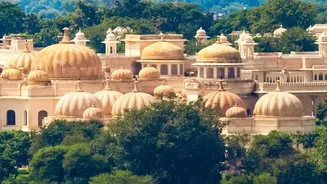
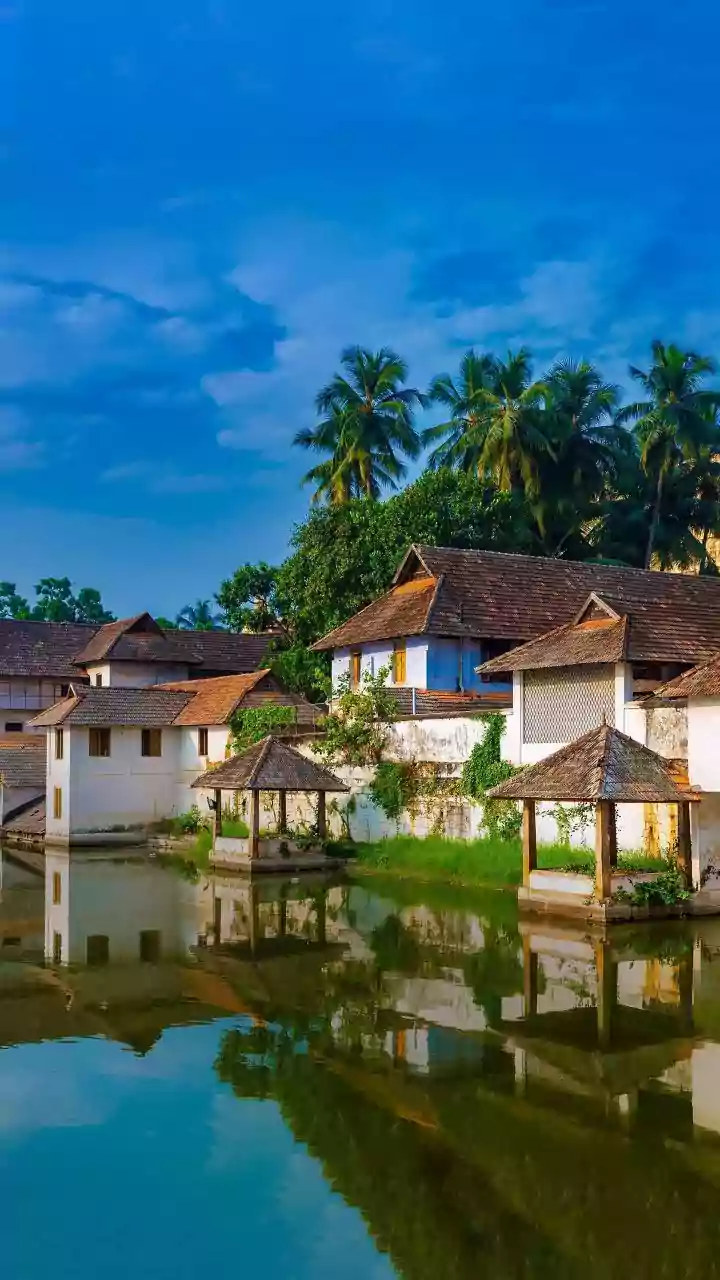
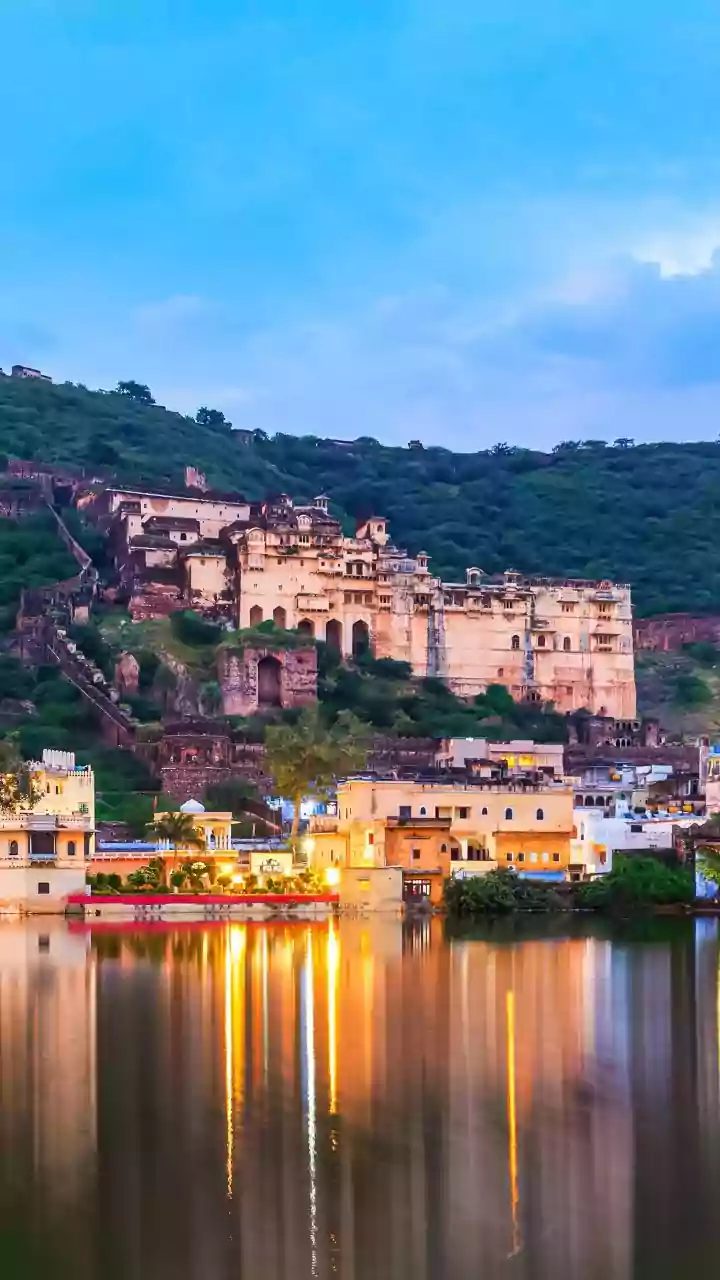
The new Indian traveller is no longer content with just viewing monuments from a distance; they want to immerse themselves in the living culture of a place. Experiential travel, which focuses on participation, is a dominant and growing trend. This can mean learning to cook regional dishes, trying traditional craft workshops in places like the Shekhawati region of Rajasthan with its frescoed havelis, or staying in heritage palaces that have been converted into hotels. Farm stays and community-run homestays are becoming popular alternatives to conventional hotels, offering travellers a direct way to connect with local life and ensure tourism revenue supports the community. A recent survey showed that a large majority of Indian travellers have a greater interest in cultural travel now, with many planning entire trips around festivals or specific regional food experiences.
The Forces Behind the Shift
Several factors are fuelling this trend. The post-pandemic world has amplified a collective desire for open spaces and meaningful connections. Rising disposable incomes, particularly among younger demographics in Tier 2 and Tier 3 cities, have made travel more accessible. Social media, while often blamed for overcrowding, has also played a role in highlighting lesser-known gems, inspiring travellers to venture beyond the usual circuit. Improved infrastructure, including better roads and more affordable flights, has made it easier than ever to reach remote corners of the country. This structural shift indicates that experiential travel is not just a fleeting trend but is set to become a central pillar of India's tourism industry, projected to be a multi-billion dollar market.