


The Foundation of Flavour
In kitchens across India, flavour doesn't start with onions or tomatoes; it begins with hot oil and spices. This technique, called tadka, chaunk, or simply tempering, is arguably the most crucial step in Indian cuisine. It can be done at the beginning
of a recipe to build a base, or poured over a finished dish like dal or raita as a final flourish. While it takes mere seconds, this process is responsible for the incredible depth and aromatic complexity that distinguishes a spectacular curry from a mediocre one. Adding the exact same spices directly into a water-based sauce simply won’t produce the same result. The magic lies in the interaction between the fat and the spices under high heat.
The Science of Solubility
To understand why tadka works, we need to look at the chemistry of spices. The compounds that give spices like cumin, coriander, and chilli their distinct aromas and flavours fall into two main categories: water-soluble and fat-soluble. Many of the most powerful and characteristic flavour molecules, such as cuminaldehyde in cumin or capsaicin in chillies, are 'hydrophobic' or fat-soluble. This means they do not dissolve well in water. When you add these spices to a simmering, water-based curry, their flavour can't be fully released. Hot oil or ghee, however, acts as a perfect solvent. The fat coaxes these locked-in compounds out of the spice's cellular structure, effectively pulling the essence of the spice into the oil. This infused oil then becomes a carrier, distributing that deep, foundational flavour evenly throughout the entire dish.
Heat, Reactions, and Aroma
Heat is the catalyst that makes this flavour extraction happen quickly and intensely. As soon as spices hit the hot fat, the heat works to break down their tough cellular walls, releasing the volatile aromatic compounds trapped inside. This is why your kitchen instantly fills with fragrance. Beyond simply releasing existing flavours, the heat also creates new ones. Minor Maillard reactions, the same chemical process that browns a steak or toasts bread, occur on the surface of the spices. This reaction between amino acids and sugars creates new, complex molecules that add nutty, roasted, and deeper savoury notes. However, temperature control is critical. Too low, and the extraction is incomplete. Too high, and the delicate compounds burn, creating a bitter, acrid taste. The tell-tale signs Indian cooks watch for—mustard seeds popping, cumin seeds sizzling—are audible and visual cues that the oil is in the perfect temperature window for optimal flavour creation.
A Symphony of Spices
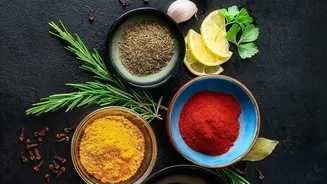
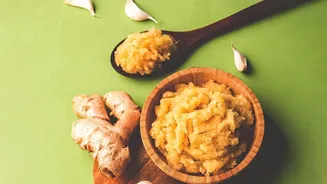
Different spices contain different compounds and react to the process in their own unique way. This is why the order in which they are added to the pan matters. Hard, whole spices like mustard seeds and cumin seeds can tolerate higher heat and go in first. When mustard seeds pop, they are releasing sharp, pungent compounds. Cumin transforms from raw and earthy to warm and nutty. More delicate ingredients like dried red chillies, asafoetida, and curry leaves are added next, as they can burn in seconds. Fresh aromatics like minced garlic and ginger, which contain moisture, are often added after the whole spices to slightly cool the oil and prevent scorching. Ground spices, which have a huge surface area, burn almost instantly and are typically added last, sometimes even after the pan is off the heat, for just a few moments before a liquid is introduced. Mastering this sequence is key to building layered, harmonious flavour.