




The Breakfast Dilemma
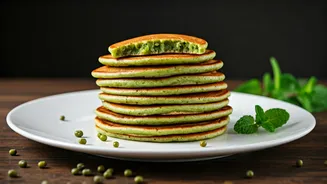
There’s nothing quite like a stack of fluffy pancakes on a slow morning. Drizzled with syrup and topped with fruit, it’s a meal that feels like a celebration. But traditional pancakes, made with refined flour and sugar, can lead to a quick spike in blood
sugar followed by an energy slump, leaving you feeling hungry and sluggish just a couple of hours later. It’s a common dilemma: the desire for a comforting treat versus the need for sustained energy and nutrition to power through the day. Many of us have accepted this trade-off, relegating pancakes to a special-occasion-only status. But a simple, ancient legume is poised to change that.
Meet the Mighty Mung Bean
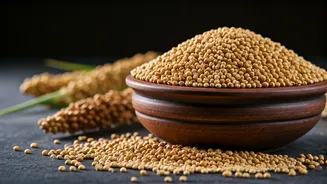
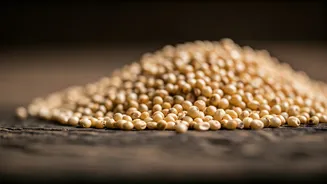
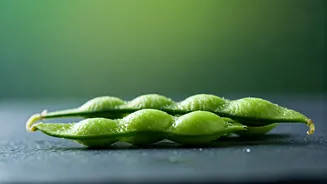
The mung bean, a small, green legume native to India, has been a nutritional cornerstone in Asian cuisines for centuries. While you might know it best in its sprouted form in salads and stir-fries, its true versatility shines when used as a base ingredient. Mung beans are nutritional powerhouses, packed with protein and dietary fibre. They are also a good source of essential minerals like potassium, magnesium, and iron, as well as B vitamins, including folate. This impressive nutritional profile is what makes them an ideal candidate for upgrading your breakfast.
How They Make Pancakes 'Less Guilty'
The “guilt” from traditional pancakes comes from their high-carbohydrate, low-fibre nature. Swapping refined flour for a batter made from soaked and blended mung beans fundamentally changes the nutritional equation. The high protein and fibre content helps to slow down digestion and the absorption of sugar into the bloodstream. This promotes better blood sugar control, preventing the dreaded energy crash. Furthermore, protein and fibre contribute to a greater feeling of fullness, or satiety. This means you’re likely to eat less and stay satisfied for longer, helping to curb mid-morning snack cravings and potentially aiding in weight management.
But What About the Taste?
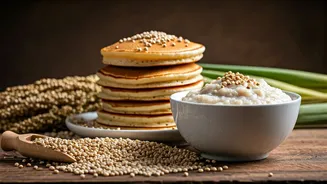
Health benefits are one thing, but if the pancakes don't taste good, it’s a hard sell. Fortunately, mung beans deliver on flavour as well. They have a mild, slightly sweet, and earthy taste that is surprisingly versatile. When blended into a batter, they create a pancake that is less about fluffy sweetness and more about a satisfying, savoury-adjacent base. The texture is often described as creamy with the potential for crispier edges than a typical flour-based pancake. This savoury depth makes them an excellent canvas for a wide range of toppings, from the classic maple syrup and berries to more adventurous options like a fried egg, avocado, or a sprinkle of chilli flakes.
A Nod to Tradition
Using mung beans to make pancakes is not a new wellness fad; it's a practice rooted in tradition. In the Indian state of Andhra Pradesh, Pesarattu is a popular breakfast dish. It is a thin, crispy crepe-like pancake made from a batter of soaked whole mung beans, often spiced with ginger and green chillies. Sometimes, it’s stuffed with savoury fillings like upma (a semolina porridge) or topped with chopped onions. Similarly, in Korea, Bindaetteok are savoury mung bean pancakes, often filled with ingredients like kimchi, pork, and scallions, creating a hearty and flavourful meal. These long-standing culinary traditions prove that mung beans have been a delicious and reliable base for pancakes for generations.
How to Get Started
Making mung bean pancakes at home is surprisingly simple. You don't need pre-made flour; you just need whole, dried mung beans. The basic process involves soaking the beans in water for at least 4-6 hours, or overnight. Once soaked, you drain them and transfer them to a blender. Add a bit of water, salt, and your chosen flavourings—ginger, cumin, and a green chilli are great starting points for a savoury version. Blend until you have a smooth, pourable batter, similar in consistency to traditional pancake batter. From there, you cook it just as you would any other pancake: ladle the batter onto a hot, oiled pan, cook for a few minutes until the edges set, flip, and cook the other side until golden brown. The result is a delicious, protein-packed pancake ready in minutes.