





More Than Just Stretching
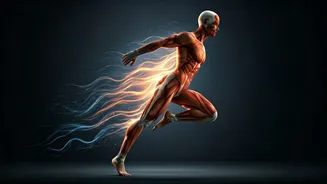
We often hear about strength, cardio, and flexibility. But there's a fourth pillar that’s crucial for long-term fitness: mobility. Unlike passive stretching, where you hold a position to lengthen a muscle, functional mobility is about active control.
It’s your ability to move a joint through its full, intended range of motion with strength and stability. Think about squatting deep, reaching overhead without arching your back, or twisting comfortably. That’s mobility in action. It trains your nervous system and muscles to work together, creating fluid, efficient movement patterns that translate directly into everyday life and better performance in the gym.
Why Take a Break From Heavy Lifting?
Pushing heavy weights week after week is taxing on your central nervous system, joints, and connective tissues. A strategic 'deload' week focused on mobility can be incredibly restorative. It gives your body a chance to repair and recover, reducing the risk of overuse injuries that can derail your progress. By improving your range of motion, you’ll find you can perform your heavy lifts with better form. A more mobile hip, for instance, allows for a deeper, safer squat, which in turn helps you lift more weight effectively when you return to your regular routine. Think of it not as a week off, but as a week dedicated to building a more resilient, capable body from the inside out. It's about working smarter to lift heavier later.
Mobility Drill: Cat-Cow
This classic drill is fantastic for thoracic (mid-back) spine mobility, an area that gets notoriously stiff from sitting. How to do it: Start on your hands and knees in a tabletop position, with wrists under shoulders and knees under hips. 1. Inhale as you drop your belly towards the floor, arching your back and looking forward (Cow Pose). Focus on opening your chest. 2. Exhale as you press into your hands, rounding your spine towards the ceiling and tucking your chin to your chest (Cat Pose). 3. Flow smoothly between the two positions for 10-15 repetitions, syncing the movement with your breath.
Mobility Drill: 90/90 Hip Rotations
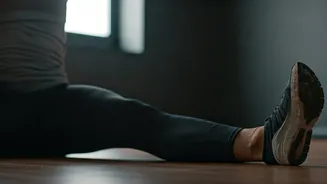
Tight hips are a common complaint, impacting everything from your squat depth to your lower back health. This drill targets hip internal and external rotation. How to do it: Sit on the floor with both knees bent at 90-degree angles. Your front leg should be turned out, with the shin parallel to your body, and your back leg should be turned in. 1. Keeping your chest up, lean forward over your front shin for a few seconds. You should feel a stretch in your outer hip (glute). 2. Lift your torso back to upright. Now, without using your hands if possible, smoothly rotate your legs to the other side, so the opposite leg is now in front. 3. Repeat the forward lean on the new side. Continue switching back and forth for 8-10 reps per side.
Mobility Drill: Wall Slides
Perfect for improving shoulder mobility and activating the muscles that support good posture. This helps counteract the effects of hunching over a desk or phone. How to do it: Stand with your back against a wall, with your feet a few inches away from it. Bend your elbows to 90 degrees and press your forearms, wrists, and the backs of your hands against the wall, forming a 'goalpost' shape. 1. Keeping your lower back flat against the wall, slowly slide your arms up the wall as high as you can without your elbows or hands coming off. 2. Slowly lower your arms back down to the starting position. 3. Perform 10-12 slow, controlled repetitions.
Mobility Drill: World's Greatest Stretch
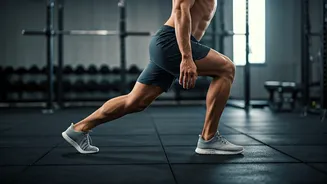
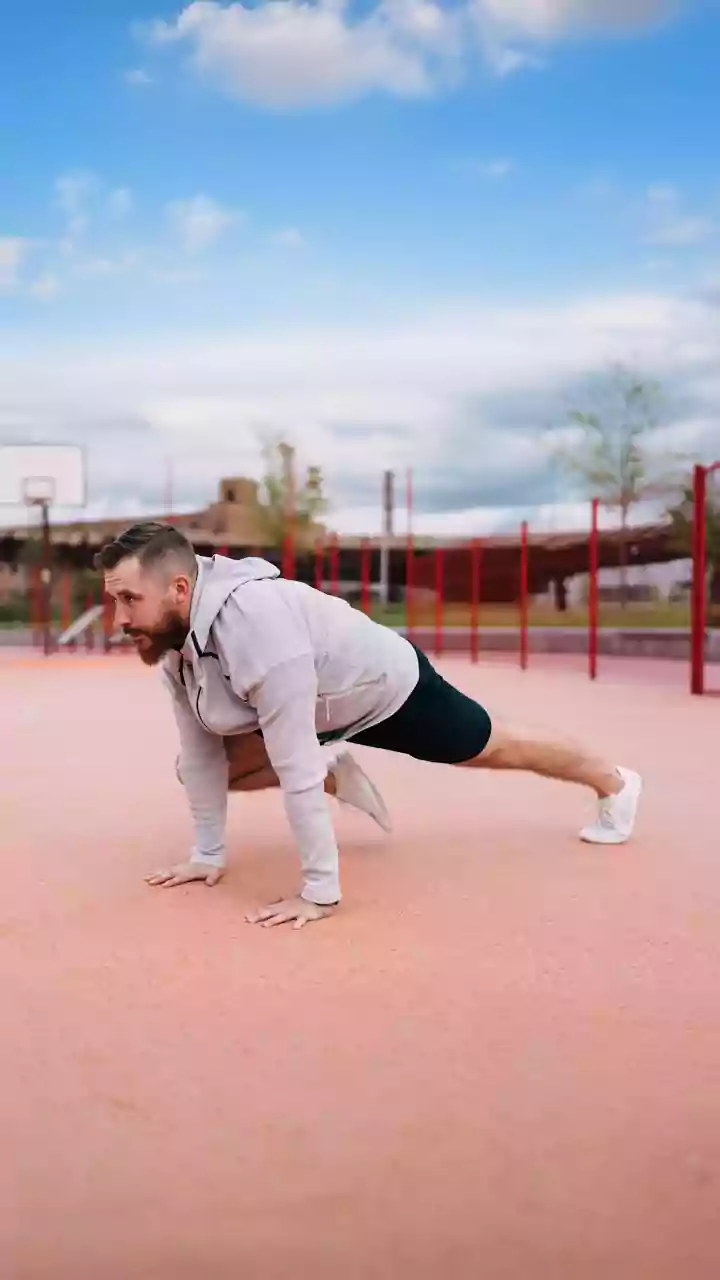
This full-body movement lives up to its name, targeting the hips, hamstrings, and thoracic spine all at once. How to do it: Start in a plank position. 1. Step your right foot forward to the outside of your right hand, sinking into a deep lunge. 2. Place your left hand firmly on the ground. Lift your right hand and rotate your torso, reaching your arm up towards the ceiling. Follow your hand with your eyes. 3. Bring your right arm back down and place your right elbow on the ground inside your right foot (or as low as you can go). 4. Return to the starting plank position and repeat on the other side. Perform 5-6 reps per side.