





Turmeric: The Golden Healer
A staple in every Indian kitchen, turmeric (haldi) is a powerhouse during the monsoon. Its main compound, curcumin, is a potent antioxidant and anti-inflammatory agent. A glass of warm turmeric milk before bed can help fight inflammation, reduce the risk
of infection, and keep your immune system strong through the wet season. It helps your body defend itself against the bacteria and viruses that thrive in the damp environment.
Ginger: The Digestive Aid
Ginger has been a trusted home remedy for generations, especially for colds and coughs. Its anti-inflammatory properties are excellent for soothing a sore throat and fighting respiratory infections that are common during the rains. More importantly, monsoon can weaken our digestive fire, or 'agni', according to Ayurveda. Ginger helps stimulate digestion, preventing the bloating and indigestion that heavier foods can cause in humid weather. A cup of ginger and tulsi tea is a perfect way to start your day.
Garlic: The Natural Antibiotic
Garlic is a formidable ally for your immune system during the monsoon. It contains allicin, a compound known for its strong antibacterial and antiviral properties. Incorporating garlic into your daily meals—whether crushed into your dal, vegetables, or soups—helps your body fight off the germs responsible for common seasonal illnesses. It’s a simple, flavourful way to add a layer of protection to your diet when your body needs it most.
Seasonal Fruits: The Vitamin Boosters
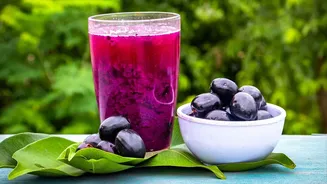
Don’t shy away from fruits, but choose seasonal varieties. Jamun, papaya, apples, pears, and pomegranates are excellent choices. Jamun is rich in iron, potassium, and vitamins that are highly beneficial during this season. Fruits rich in Vitamin C, like amla and papaya, are particularly important as they directly support immune function. These fruits provide essential vitamins, fibre, and antioxidants that help the body fight infections and aid digestion.
Moong Dal: The Light Protein
The high humidity during the monsoon can make heavy meals difficult to digest. Moong dal is the perfect solution. It's incredibly light on the stomach yet rich in protein, zinc, and antioxidants. It nourishes the body without causing the sluggishness associated with heavier proteins. A warm bowl of khichdi made from rice and moong dal is considered an ideal monsoon meal in Ayurveda—it's easy to digest, nutritious, and comforting. It provides stable energy without taxing your digestive system.
Probiotics: The Gut Guardians
Gut health is directly linked to immunity, making probiotics essential during the monsoon. Freshly prepared yoghurt (dahi) or buttermilk are excellent sources of beneficial bacteria that help maintain a healthy gut flora. A healthy gut can prevent many of the stomach issues that are common in the rainy season. A bowl of fresh curd with your lunch can aid digestion and strengthen your body’s natural defences against pathogens. Just ensure it is fresh and safely stored to avoid spoilage in the humidity.
Nuts and Seeds: The Nutrient Powerhouses
A handful of nuts and seeds like almonds, walnuts, and flaxseeds can provide a significant boost to your health. They are packed with healthy fats, protein, Vitamin E, and zinc—all of which are crucial for a strong immune response and overall wellness. Almonds are particularly good for supporting immunity. They make for a great energising snack and help with muscle recovery, which is essential if you are trying to maintain an active lifestyle through the season's gloom.