
Understanding October's Weather
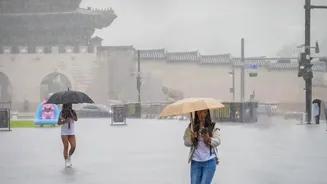
October is not a month with one single weather story in India; it's a dynamic period of transition. The primary Southwest Monsoon, which drenches most of the country from June to September, is in full retreat. The withdrawal typically begins in the northwest
in September and progresses south and east, usually completing its exit from the entire country by mid-October. This means that for much of North, West, and Central India, October brings a welcome end to heavy rains, ushering in dry, sunny days and comfortable, less humid air. However, the story is different in the southeast. As the winds reverse, the Northeast Monsoon begins to gather strength, typically making landfall in states like Tamil Nadu and southern Andhra Pradesh around the third week of October, bringing fresh rains to that region through December.
Where to Go: A Regional Breakdown
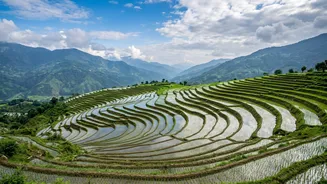
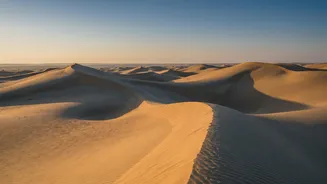
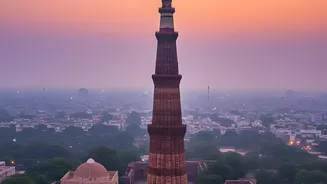
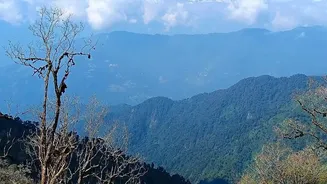
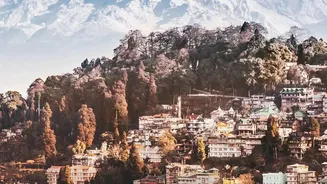
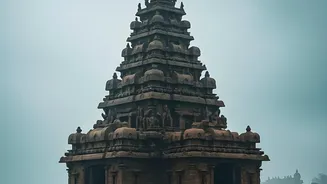
Your ideal October destination depends on the experience you seek. In North India, the Golden Triangle (Delhi, Agra, Jaipur) and the desert state of Rajasthan are exceptional choices. The post-monsoon air is crisp, the skies are clear, and the forts and palaces are set against a backdrop of surprisingly green landscapes. It's perfect for sightseeing before the winter fog or peak season crowds arrive. In the Himalayas, states like Himachal Pradesh and Uttarakhand offer stunning pre-winter trekking conditions with minimal rain. In the south, Goa's beaches and shacks start buzzing back to life as the rains subside, offering a vibrant yet not-too-crowded atmosphere. Kerala is breathtakingly green and its backwaters are full, though you might still catch the tail-end of the rain. Central India, including the stunning ruins of Hampi in Karnataka, is also ideal, with pleasant weather perfect for exploring its vast, historical landscape.
Destinations to Approach with Caution
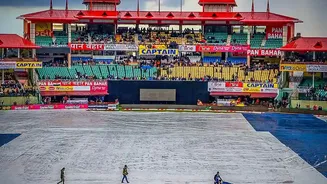
While most of India is welcoming in October, it’s wise to be mindful of a few regional considerations. If you plan to visit Tamil Nadu or the southeastern coast, be prepared for the onset of the Northeast Monsoon towards the end of the month. This can mean significant rainfall, particularly in coastal areas like Chennai and Puducherry. While this has its own charm, it's not ideal if you're seeking dry, sunny weather. Similarly, in the highest reaches of the Himalayas, such as in parts of Ladakh or Spiti, October marks the transition to a harsh winter. While the landscapes can be starkly beautiful, be prepared for rapidly dropping temperatures and potential road closures due to snow. Always check local conditions and advisories before finalizing travel to these specific areas.
What to Pack for the Transition
Packing for October requires versatility. The key is layering. Days can be warm and sunny, especially in Rajasthan and Central India, while evenings and mornings, particularly in the north, can be cool. Light cottons, breathable long-sleeve shirts, and a pair of comfortable trousers or long skirts are excellent basics. Always include a light jacket or fleece for cooler temperatures. Despite the monsoon's retreat, a compact umbrella or a lightweight waterproof jacket is still a wise addition for unexpected showers, especially if travelling early in the month or in the south. Given the post-monsoon environment, mosquito repellent is essential. Comfortable, sturdy walking shoes are a must for sightseeing, and consider a pair of sandals for warmer areas. Finally, a scarf is a multi-purpose essential for sun protection, dust, and covering up when visiting religious sites.
Health and Safety Considerations
October is generally a safe and healthy month to travel, but a few precautions are sensible. The post-monsoon season can see an increase in mosquito-borne diseases like dengue and malaria, so using a good repellent, especially during dawn and dusk, is crucial. Drink only bottled or purified water to avoid stomach ailments. The sun can still be strong, so carry sunscreen, sunglasses, and a hat. While the heaviest rains are over, some areas, particularly in the hills, can still be prone to slippery roads or the occasional landslide early in the month, so always travel with a degree of flexibility in your itinerary. Checking local news and weather forecasts is always a good practice.