





The Fungi Renaissance
For years, the Indian culinary scene largely recognised one type of mushroom: the button mushroom. It was a reliable, if unexciting, player in dishes like mushroom masala or kadai mushroom. But a quiet revolution has been taking root. A growing awareness
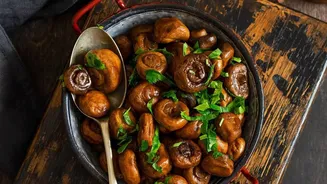
of health benefits, a surge in plant-based diets, and increased domestic cultivation have pushed new varieties into the spotlight. Farms in states like Haryana and regions around Bangalore are now cultivating a diverse range of gourmet mushrooms, from the smoky shiitake and delicate oyster to the meaty portobello and even rarer finds like lion's mane. This increased availability has armed chefs and café owners with a palette of new textures and flavours to experiment with.
A Marriage of Modern and Masala
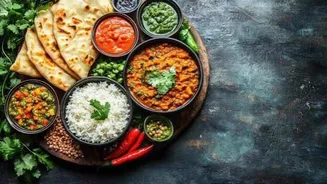
The real innovation lies not just in using new mushrooms, but in how they are being paired with India’s diverse regional tastes. Chefs are moving beyond standard North Indian preparations and exploring creative fusions. Imagine mushroom tikka tacos, portobello marinated and cooked like tikka, or South Indian-style mushroom pepper fry featuring oyster mushrooms. The natural umami flavour and meaty texture of many mushroom varieties make them a versatile canvas for Indian spices. We're seeing everything from achari mushrooms that pack a zesty punch to mushroom biryanis and even mushroom-stuffed paniyarams, a popular South Indian snack.
The Chef's Versatile Secret
From a chef's perspective, mushrooms are a dream ingredient. Their ability to absorb flavours makes them perfect for India’s spice-rich cuisine. Varieties like portobello serve as satisfying meat substitutes in burgers and wraps, catering to the growing vegetarian and flexitarian population. Beyond the main course, mushrooms are being used in inventive ways. Cafes are crafting wild mushroom cappuccino soups, truffle-infused broths, and even powders from functional mushrooms like reishi and lion's mane to add to wellness drinks and snacks. This showcases their transformation from a simple vegetable to a multifaceted culinary component.
More Than Just a Trend
This mushroom boom is more than a fleeting food trend; it reflects a broader shift in the Indian food landscape. Consumers in urban centres are more adventurous, health-conscious, and open to trying new things. This has encouraged cafes to innovate their menus and stand out from the competition. The focus on locally grown gourmet mushrooms also ties into a larger story of sustainability, reducing reliance on imported goods and supporting local agriculture. Visionaries like Sumit, founder of the gourmet mushroom farm Shroomery, were inspired to bring this variety to India after seeing their prevalence abroad, helping to fuel this change from the ground up.