





The Latest Scientific Findings
Recent research from July 2026 has added a significant piece to the puzzle, showing that ultra-processed foods (UPFs) leave a distinct metabolic “signature” in the blood. A large-scale European study found that higher consumption of UPFs was linked to a harmful
profile of fatty acids and other compounds. This signature is associated with cellular disruption, mitochondrial dysfunction, and inhibited healthy lipid processing, which may help explain the link between UPFs and chronic diseases. The researchers noted that these effects appear to go beyond just the high sugar or fat content, suggesting the industrial processing itself, along with additives, plays a key role. This adds to a growing body of evidence linking UPF intake to a higher risk of heart attack, stroke, type 2 diabetes, and obesity. One study even suggested that reducing UPF consumption could prevent a substantial number of heart disease cases and deaths.
Understanding the Spectrum of Processing
Not all processing is bad. The term refers to any deliberate change to a food from its natural state. To bring clarity, experts often use the NOVA classification system, which divides foods into four groups. Group 1 is 'unprocessed or minimally processed foods' like fresh fruits, vegetables, grains, legumes, and meat. Group 2 includes 'processed culinary ingredients' such as oils, butter, and sugar. Group 3 is 'processed foods,' which are combinations of the first two, like canned fish or simple breads. The main concern for researchers is Group 4: 'ultra-processed foods'. These are industrial formulations made mostly from substances extracted from foods or synthesised in labs, containing additives like colours, emulsifiers, and artificial flavours. Think packaged snacks, sugary cereals, instant noodles, and fizzy drinks.
The Indian Context: A Shift in Diet
India's traditional dietary patterns have historically been centred on whole or minimally processed foods like dal, roti, rice, fresh vegetables, and fermented products. This way of eating is naturally rich in fibre and nutrients that support good gut health. However, with rapid urbanisation, the consumption of UPFs is rising dramatically. Sales of processed foods in India have soared, with one report noting a 13% compound annual growth rate between 2011 and 2021. This shift is contributing to a 'double burden' of malnutrition, where undernutrition exists alongside rising rates of obesity and diet-related diseases like diabetes and heart conditions. Experts warn that misleading health claims on packaged goods are fuelling this crisis, urging a return to the foundational principles of traditional Indian cooking.
Why Minimally Processed Is Better
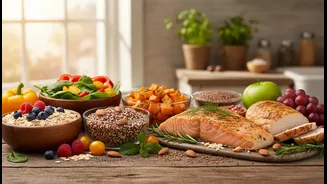
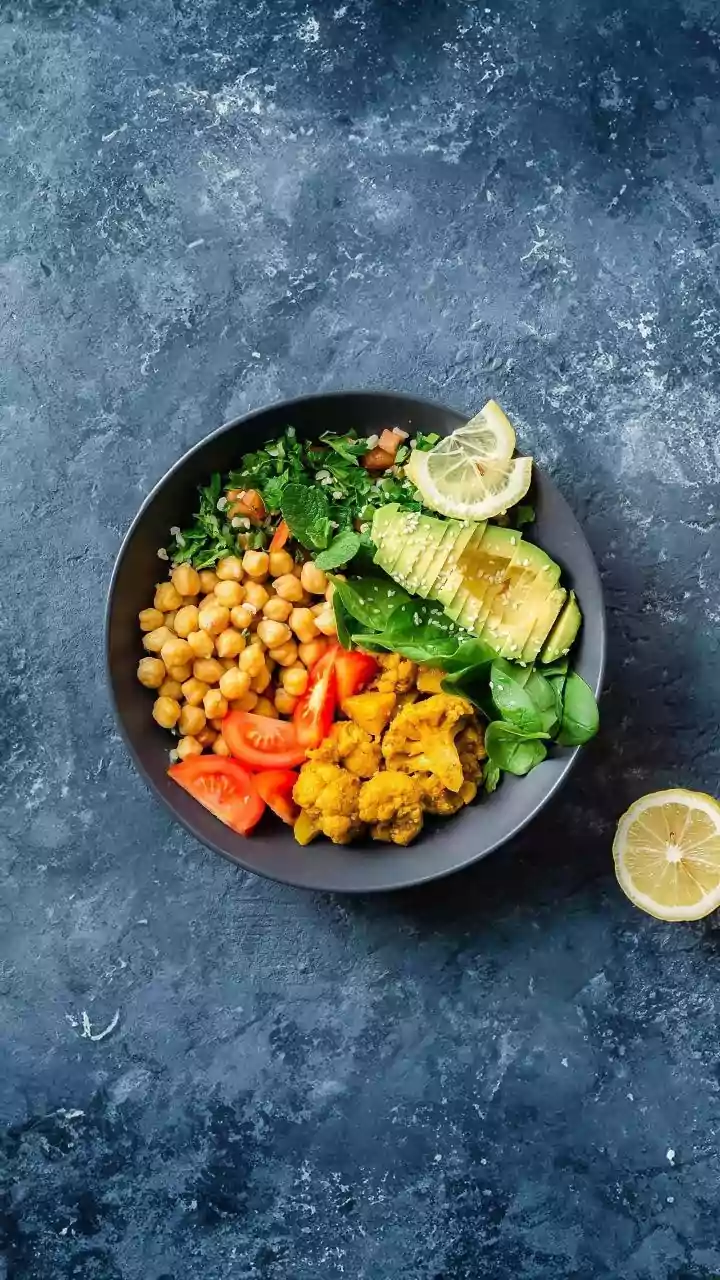
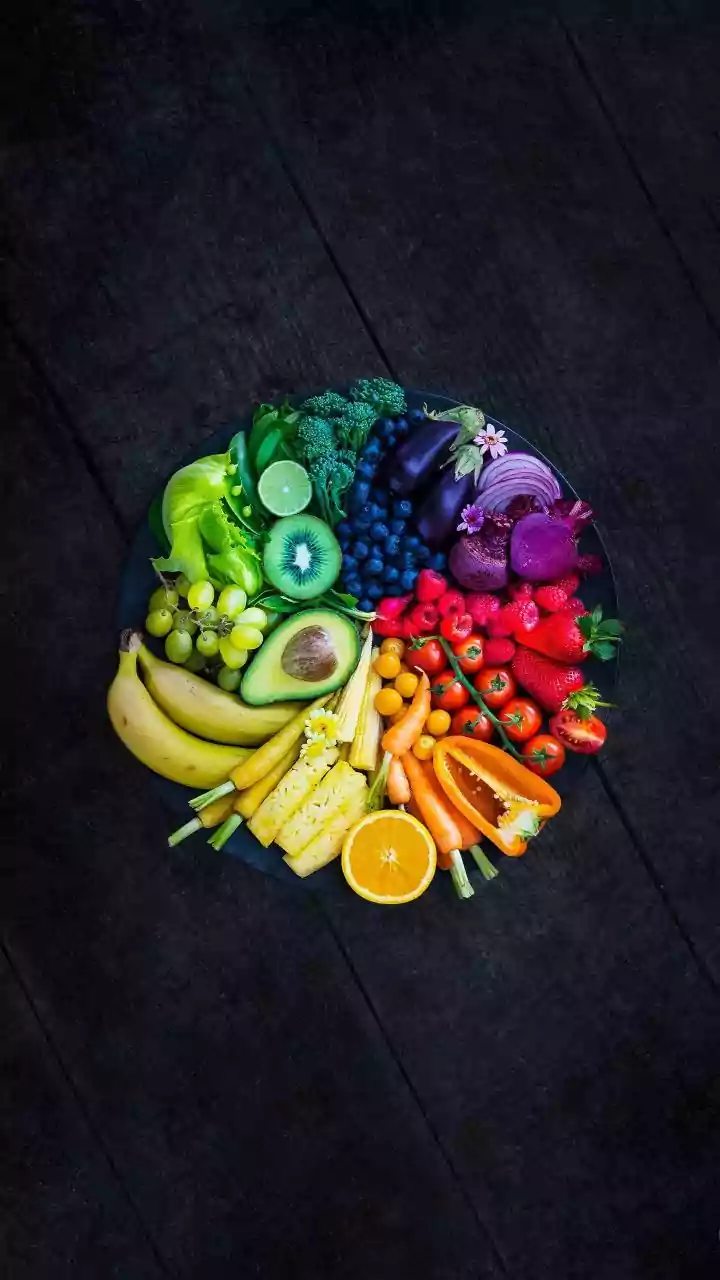
The benefits of a diet rich in whole and minimally processed foods are well-documented. These foods are more nutrient-dense, meaning they deliver more vitamins, minerals, and beneficial compounds per calorie. They are also high in natural fibre, which aids digestion, promotes a healthy gut microbiome, and increases satiety—that feeling of fullness that helps prevent overeating. Studies show that people who eat primarily whole foods tend to consume fewer calories overall, even when eating a larger volume of food, because their bodies are better at recognising nutritional needs. This natural appetite regulation makes it easier to maintain a healthy weight without restrictive dieting.
Simple Swaps for a Healthier Plate
Shifting towards a minimally processed diet doesn't have to be an overwhelming overhaul. It can start with simple, gradual changes. One of the most effective strategies is to cook more meals at home, which gives you complete control over the ingredients. Instead of packaged breakfast cereals, try oatmeal or a traditional Indian breakfast like poha or upma. Swap sugary drinks for water, buttermilk (chaas), or unsweetened tea. When you snack, reach for a piece of fruit, a handful of nuts, or some roasted chana instead of a packet of chips. Reading labels is also crucial; a good rule of thumb is to be wary of products with long ingredient lists containing items you wouldn't find in a home kitchen. The goal is progress, not perfection.