


From Trash to Treasure
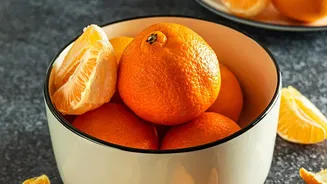
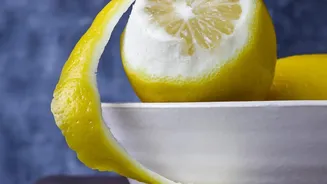
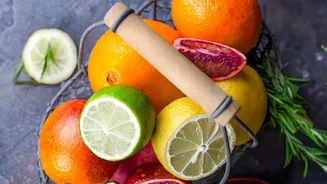
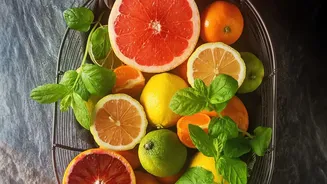
Most of us use the juice of a lemon or orange and toss the rest. But the peel, where the fruit's essential oils are concentrated, is packed with intense aromatic flavour. Beyond just zest, the entire rind can be repurposed. By preserving them, you not
only reduce kitchen waste but also create a unique, punchy condiment that can elevate countless dishes. Before you start, it's crucial to consider your source. Citrus peels can have higher concentrations of pesticide residues. To be safe, always opt for organic or unwaxed citrus when you plan to consume the peel. A thorough wash with water and a little baking soda is a good practice even for organic fruit to remove any surface impurities.
The Gut-Friendly Power of Fermentation
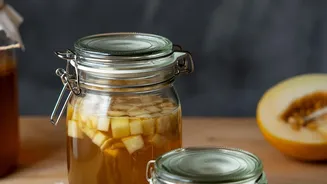
While you can candy peels with sugar or dry them for tea, the secret to making them truly “gut-friendly” lies in fermentation. Specifically, lacto-fermentation. This ancient preservation technique uses salt to create a brine that encourages the growth of beneficial lactic acid bacteria, like Lactobacillus. These are the same kinds of 'good bacteria' found in yoghurt and other probiotic foods. As these microbes work their magic, they transform the peel, softening its texture, mellowing its bitterness, and creating a complex, tangy flavour. More importantly, this process enriches the peels with probiotics, which can help support a healthy gut microbiome. The fibre in citrus peels, such as pectin, also acts as a prebiotic, feeding these beneficial bacteria.
Your Guide to Fermented Citrus Peels
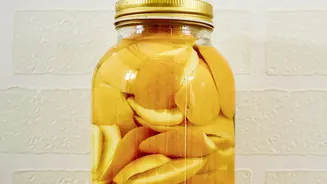
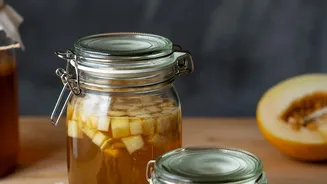
Making your own fermented citrus preserves is surprisingly simple and requires just a few basic ingredients. The traditional method for preserved lemons is a great template for any citrus. You'll need about 5-6 organic lemons (or a similar amount of oranges or limes), a clean glass jar with a lid, and non-iodized sea salt. 1. Prep the Fruit: Wash your citrus thoroughly. Cut the lemons into quarters, but not all the way through, leaving them connected at the base. This allows the salt to penetrate deeply. 2. Salt Generously: Open up each lemon and sprinkle a generous amount of salt inside. Don't be shy; the salt is what keeps bad bacteria at bay. 3. Pack the Jar: Tightly pack the salted lemons into your glass jar. As you press them down, they will start to release their juices. The goal is to have the lemons fully submerged in their own juice. If needed, you can top it off with extra juice from another lemon to ensure everything is covered. 4. Ferment: Seal the jar and leave it at room temperature for about a week, giving it a shake or turning it over each day to redistribute the brine. You might see some bubbling, which is a great sign that fermentation is active. After a week, transfer the jar to the refrigerator. The flavours will continue to develop and meld over the next few weeks. They can be kept in the fridge for many months.
How to Use Your Zesty Creation
Once your preserves are ready, you’ll find that the star of the show is the softened, flavour-packed rind. The flesh can be used, but it's the peel that holds the unique savoury, tangy, and slightly floral taste. To use it, simply rinse a piece of the peel to remove excess salt, then mince it finely. A little goes a long way. These fermented rinds are incredibly versatile. You can stir them into stews, tagines, and grain salads for a bright kick of flavour. They are a fantastic addition to marinades for fish and poultry, or can be blended into vinaigrettes and sauces. Try mixing finely chopped peel into a simple pasta dish with olive oil and garlic, or use it as a sophisticated garnish on roasted vegetables. The unique umami-like quality it develops during fermentation adds a depth of flavour that fresh zest alone cannot replicate.