
The Post-Pandemic Style Reset
The shift towards practicality in Indian fashion is a direct reflection of changing lifestyles. The pandemic blurred the lines between personal and professional spaces, creating a need for clothes that are versatile, comfortable, and presentable. Long
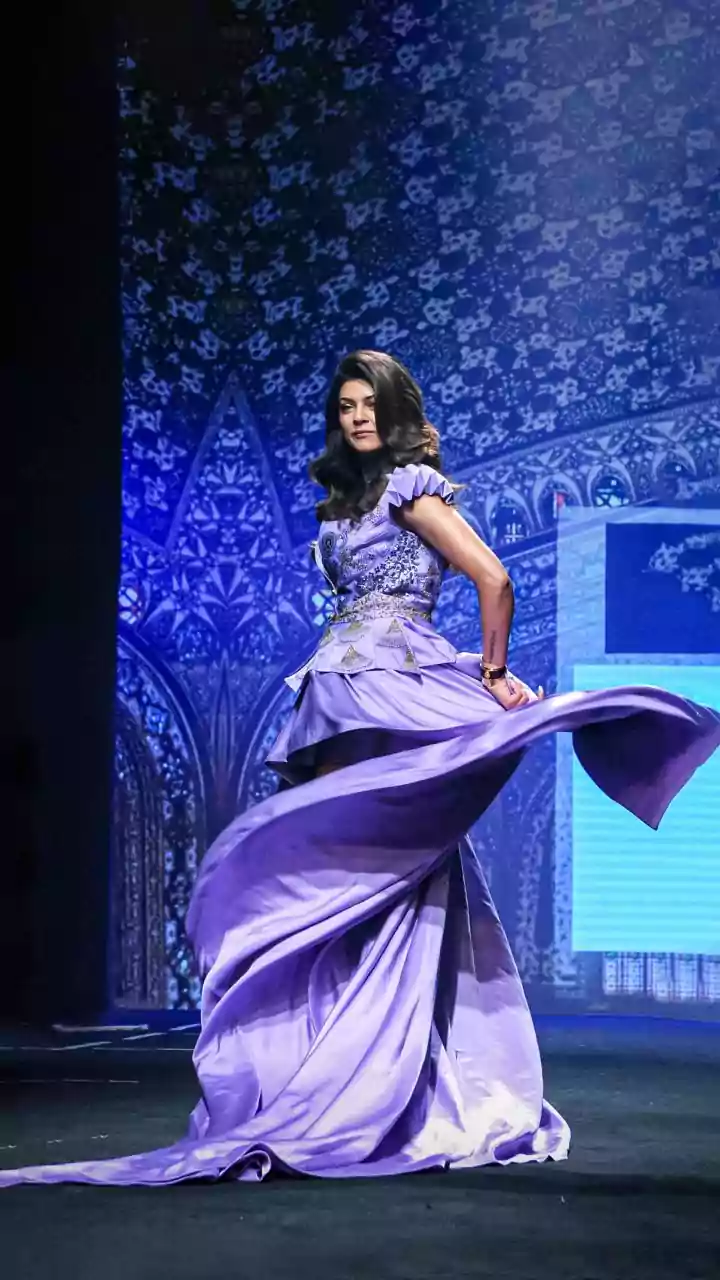
hours spent in hybrid work models, combined with a greater focus on wellness and self-care, have made restrictive and high-maintenance clothing feel outdated. Women are no longer saving their 'good' clothes for special occasions; instead, they are investing in high-quality, durable pieces that can be worn repeatedly. This move isn't about dressing down, but dressing with intention. It's a conscious choice to build a wardrobe that works for a dynamic life, where an outfit needs to transition seamlessly from a Zoom call to a coffee run to a dinner with friends.
Starting from the Ground Up: The Shoe-First Approach
Perhaps the most visible symbol of this comfort-first movement is in footwear. Stilettos and painfully high heels are no longer the default for a 'put-together' look. Today, the outfit often starts with the shoe, and that shoe is overwhelmingly likely to be comfortable. Sneakers, once relegated to the gym, are now paired with everything from sarees and lehengas to work trousers, a trend boosted by celebrity adoption. Beyond sneakers, stylish flats, cushioned sandals, block heels, and classic loafers have become the new essentials. Brands are responding with footwear that incorporates ergonomic design, cushioned insoles, and arch support without sacrificing aesthetic appeal. This shoe-first approach prioritises mobility and endurance, acknowledging that true style enables you to navigate your day without pain.
The New Wardrobe Heroes: Reliable Basics
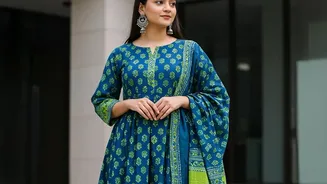
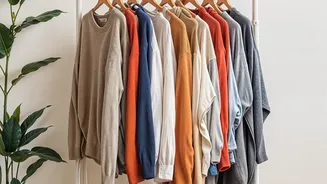
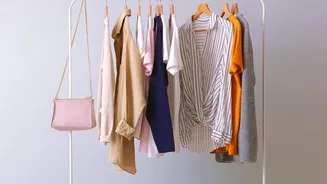
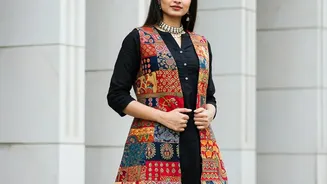
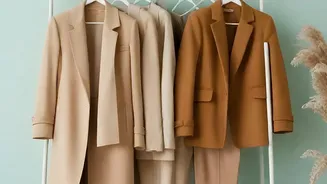
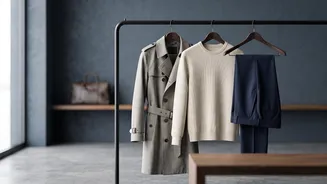
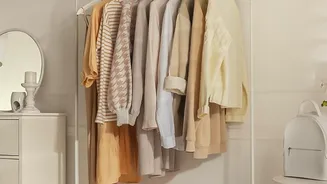
With comfort as the foundation, the focus has shifted to reliable, versatile basics. Instead of wardrobes overflowing with trend-driven items that are worn once, women are curating a 'capsule' collection of essentials. These are the unsung heroes: the perfect pair of well-fitted trousers, a classic white shirt, versatile kurtas, and relaxed co-ord sets. There's a renewed appreciation for breathable, high-quality fabrics like cotton, linen, and soft knits that feel good against the skin and are suited to India's varied climate. Even traditional Indian wear is being reinterpreted through this lens, with a move towards lighter, anti-fit silhouettes like kaftans and fluid trousers that offer elegance without being restrictive. The goal is to own fewer, better things that can be mixed and matched endlessly.
Dressing with Intention
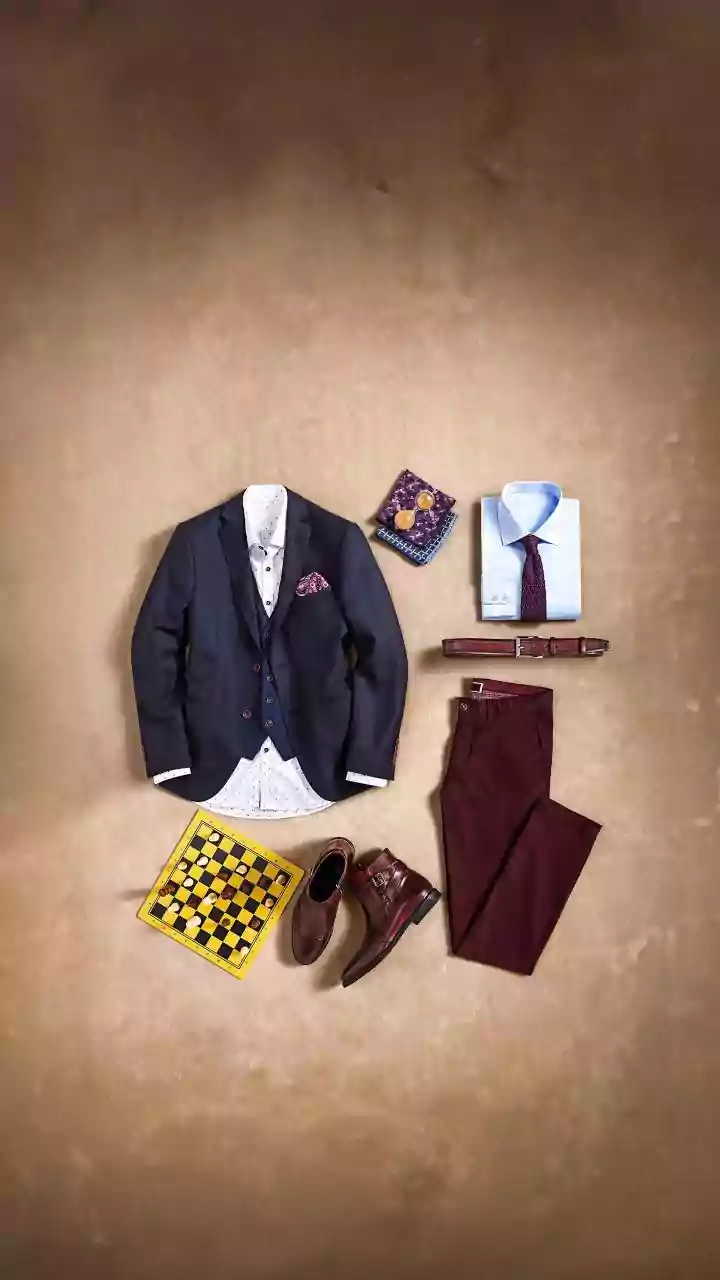
This practical approach doesn't mean style is an afterthought. In fact, it fosters a more intentional and personal form of self-expression. When the base of an outfit is simple and reliable, accessories play a key role in elevating the look. A statement piece of jewellery, a beautifully crafted handbag, or a stylish belt can transform a simple kurta set or a dress. It’s about creating a polished look through thoughtful layering and accessorising, rather than relying on a single, standout garment. Stylists advise thinking in terms of versatility before buying any new item: can you imagine at least three different ways to wear it? This mindset encourages smarter consumption, moving away from impulse buys and towards building a wardrobe that is both emotionally and physically durable.