
The Spirit of Bijoya
Bijoya Dashami marks the victory of good over evil, as Goddess Durga returns to her celestial abode. But for Bengalis, the festival doesn't end there. The following period, known as Bijoya, is a time for visiting friends and family, exchanging greetings
('Shubho Bijoya'), and sharing food. Traditionally, households prepare an array of sweets and savouries to welcome guests. The act of offering 'mishti-mukh' (a sweet treat) is a cornerstone of the hospitality, and no guest is expected to leave without partaking. This tradition of preparing and sharing food is what makes Bijoya gatherings so special, turning simple visits into cherished memories.
The Savoury Foundation
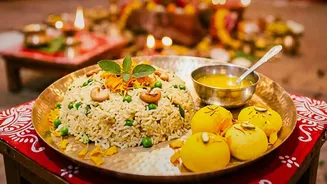
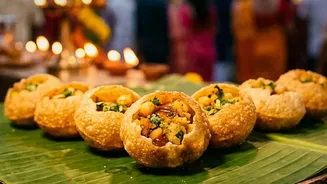
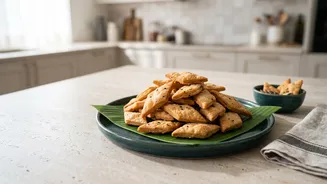
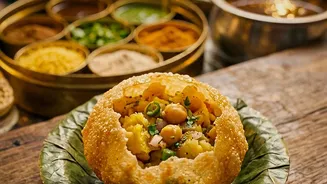
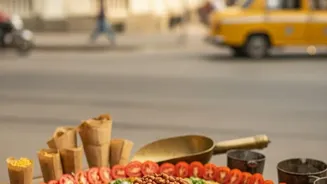
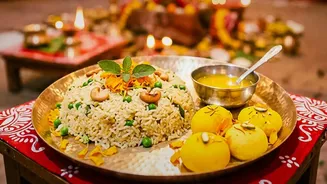
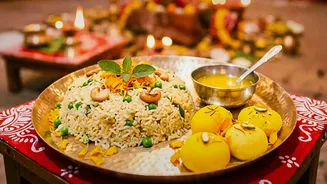
A quintessential Bijoya snack plate must have a balance of flavours, starting with the savouries. The most iconic pairing is Ghugni and Nimki. Ghugni is a hearty curry made from dried yellow peas (motor), slow-cooked with spices until tender but not mushy. It's often garnished with chopped onions, green chillies, and sometimes a sprinkle of 'bhaja masla' (roasted spice mix). Its perfect companion is Nimki, a crisp, flaky, and savoury diamond-shaped cracker made from flour and fried to golden perfection. The soft, flavourful Ghugni scooped up with a crunchy Nimki is a match made in culinary heaven and a staple of Bijoya hospitality.
The Essential Sweet Course
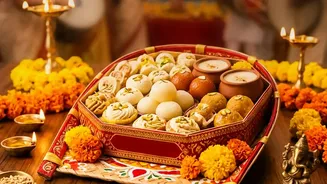
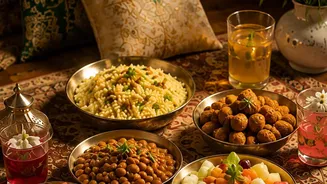
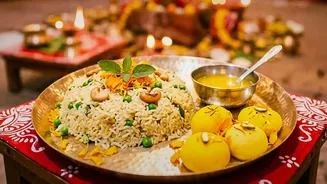
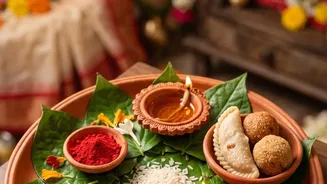
No Bengali celebration is complete without sweets, and Bijoya is the prime occasion to indulge. While store-bought sweets are common now, many families take pride in homemade preparations. Narkel Naru, small ladoos made from grated coconut and jaggery or sugar, are a must. They come in two main varieties: a softer version made with jaggery and a harder, crystallised sugar version. Another star is Sandesh, a delicate sweet made from fresh cottage cheese (chhena). From the simple 'makha sandesh' (mashed chhena with sugar) to the more elaborate steamed 'bhapa sandesh', its presence is non-negotiable. Rosogolla, the famous spongy balls soaked in sugar syrup, is another favourite that always graces the Bijoya platter.
Fried Delights and Festive Chops
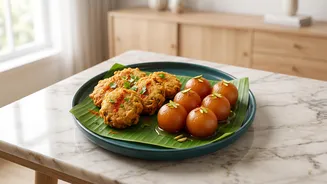
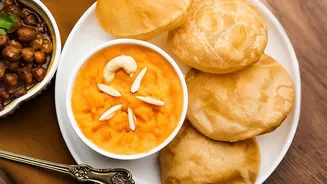
To add another layer of texture and indulgence, fried items are often included. Luchi (small, fluffy, deep-fried flatbreads) served with a simple but flavourful Alur Dom (slow-cooked potato curry) can elevate a snack plate into a mini-meal. For something more snack-sized, Vegetable Chops or 'Mochar' Chops are popular choices. Vegetable chops are beetroot-based cutlets filled with other finely diced vegetables and peanuts, offering a sweet and savoury crunch. Mochar chops, made from banana blossoms, are a more traditional delicacy that showcases the unique ingredients of Bengali cuisine.
Assembling Your Perfect Plate
Creating the perfect Bijoya snack plate is about offering variety and balance. Start by placing a small bowl of Ghugni in the centre. Arrange a few pieces of Nimki on one side. On the other side, create a section for the sweets—a couple of Narkel Naru and a piece of Sandesh are essential. If you have chops or shingaras (Bengali samosas), find a spot for one or two. The goal is not to overwhelm but to offer a delightful selection that represents the festive flavours of Bengal. Presentation matters, but the warmth with which it is served is what truly embodies the spirit of Bijoya.