


Tirthan Valley, Himachal: The Riverside Escape
Often called Himachal's best-kept secret, Tirthan Valley offers a tranquil escape that feels a world away from the commercial hustle of Manali, despite being in the Kullu district. The valley, named after the pristine Tirthan River, is the gateway to
the Great Himalayan National Park, a UNESCO World Heritage Site. This corridor is not about mall roads or tourist markets; it's about riverside homestays, dense pine forests, and the gentle pace of village life. Spend your days trout fishing (with a permit), undertaking short treks to hidden waterfalls like Chhoie Waterfall, or simply relaxing by the gushing river. The nearby village of Jibhi, with its quaint wooden houses and burgeoning café culture, adds another layer of charm to this serene destination.
Know Before You Go: Tirthan Valley
The journey from Delhi to Tirthan Valley takes approximately 10-12 hours. The best route is to take an overnight bus towards Manali and get off at Aut, from where local taxis can take you into the valley towards Banjar, Gushaini, or Jibhi. For drivers, the turn-off at Aut bypasses the heavy traffic usually heading to Manali. The ideal time to visit is from March to June for pleasant weather and from September to November for crisp air and clear skies post-monsoon. Accommodation is primarily in the form of charming homestays and eco-camps that offer an authentic local experience.
Chopta, Uttarakhand: The Meadow of Serenity
Dubbed the 'Mini Switzerland of India', Chopta is a small region of lush, undulating meadows and evergreen forests in Uttarakhand. Unlike developed hill stations, Chopta's appeal lies in its raw, untouched beauty and its status as a base for the trek to Tungnath temple—the world's highest Shiva temple. The journey itself is a reward, with roads winding through spiritual towns like Rishikesh, Devprayag, and Rudraprayag. The Chopta region is devoid of large hotels and commercial chaos, offering accommodation in eco-camps and small guesthouses, which helps preserve its peaceful atmosphere. It is a destination for those who seek panoramic views of Himalayan peaks like Trishul, Nanda Devi, and Chaukhamba and the profound quiet of the mountains.
Know Before You Go: Chopta
Reaching Chopta from Delhi involves a road journey of about 400-450 km, which typically takes 10-12 hours. The most common route passes through Haridwar, Rishikesh, and Ukhimath. An early start from Delhi is recommended to avoid city traffic and to navigate the mountain roads in daylight. While you can take a bus or train to Haridwar/Rishikesh and hire a cab from there, a private vehicle offers the most flexibility. The best seasons to visit are from April to June for blooming meadows and September to November for clear skies and stunning mountain vistas.
Pabbar Valley, Himachal: The Orchard Trail
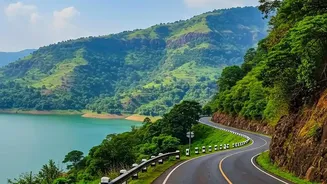
Just a few hours from Shimla lies Pabbar Valley, a corridor that remains surprisingly off the mainstream tourist map. Carved by the Pabbar River, this region is a tapestry of dense deodar forests, glistening streams, and sprawling apple orchards. The drive itself is a major part of the experience, taking you through quintessential Himachali landscapes without the crowds. The valley serves as a base for several fantastic treks, including the trail to the sacred Chandernahan Lakes. The main town, Rohru, is a hub for trout fishing, while the drive up to the Chanshal Pass (open from May to October) offers dramatic, high-altitude scenery.
Know Before You Go: Pabbar Valley
Pabbar Valley is located about 120 km from Shimla, and the drive to its main town Rohru takes around 4-5 hours. From Delhi, the total journey is about 450 km and can take 12-13 hours, passing through Chandigarh and Shimla. The route is scenic, especially after Theog, as you drive towards Kotkhai and Jubbal. Spring and summer (March to June) are ideal for trekking and enjoying the pleasant weather, while autumn (October to November) is perfect for photographers as the orchards and forests take on golden hues.