








Decoding the AI Nutrition Bot
At its core, the planned tool from the National Institute of Nutrition is an AI-powered search engine and chatbot designed to be a one-stop source for nutritional information. Instead of offering generic advice, it will provide detailed data on thousands
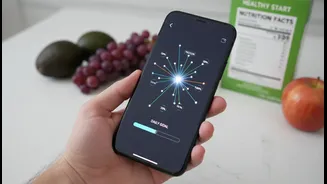
of packaged food products available in the Indian market. Users will be able to search for a specific product or brand and get an instant breakdown of its nutritional profile. The initiative is a direct response to the rising consumption of pre-packaged foods in the country. To build its massive database, NIN has partnered with a Hyderabad-based company that developed the app 'TruthIn', which already contains data on over 75,000 food products. The bot will simplify complex ingredient lists, flag nutritional concerns, and help consumers understand what they are really eating.
Tackling India’s Dual Nutrition Crisis
The primary utility of the NIN's bot lies in its potential to address India's unique and complex 'dual-burden' of malnutrition. The country is simultaneously fighting high rates of undernutrition, like stunting and wasting in children, and a rapid increase in over-nutrition, leading to obesity and non-communicable diseases (NCDs) like diabetes and hypertension. Recent health surveys show that while India has made progress in reducing stunting, challenges with wasting persist, and obesity rates, particularly among women, are climbing. This health crisis is complicated by a major shift in dietary patterns towards ultra-processed foods, which are often high in sugar, salt, and unhealthy fats but low in essential nutrients. An AI tool that can instantly analyse a packaged food item and compare it to healthier alternatives provides a practical way for consumers to navigate this tricky food environment.
From Data to Daily Decisions
The real-world utility of this AI bot is its ability to translate decades of scientific research into simple, actionable advice. For years, NIN has been at the forefront of generating data on Indian foods and dietary patterns, creating landmark reports like 'What India Eats'. The AI bot will be powered by this extensive, India-specific database. This means its recommendations will be tailored to the Indian context, accounting for regional dietary habits and preferences. The goal is to move beyond just providing data and to actively help people make better choices at the point of purchase. By scanning a barcode or searching a product name, a parent can quickly check for hidden additives or high sugar content in a snack before buying it for their child. This empowers individuals to apply scientific knowledge to their daily grocery shopping and meal planning.
A Weapon Against Misinformation
In an era of viral health myths and conflicting advice from social media influencers, a credible, science-backed tool is more crucial than ever. The internet is filled with misinformation about nutrition, making it difficult for people to find trustworthy guidance. An AI bot from a premier government institution like NIN serves as an authoritative counter-narrative. It will provide information based on product labels and Indian regulatory requirements, ensuring the advice is both accurate and relevant. This not only helps individual consumers but also supports a broader public health goal: creating a more informed population that can distinguish between scientific fact and baseless health fads. This can be particularly vital for sensitive groups, such as pregnant women or parents of young children, who are often the targets of nutritional misinformation.
The Road Ahead
While the potential is enormous, the path to widespread impact has its challenges. For the AI bot to be truly effective, it must be accessible to a diverse population, which requires overcoming barriers of digital literacy and internet connectivity, especially in rural areas. The user interface will need to be intuitive and available in multiple Indian languages to serve a broader audience. Furthermore, the success of the tool will depend on continuous updates to its database as new products enter the market. NIN has indicated that the platform is also intended to be a resource for researchers, policymakers, and even the food industry itself, potentially encouraging manufacturers to reformulate products for healthier profiles.