


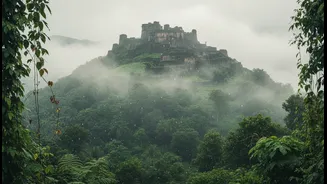


Lohagad Fort, Maharashtra
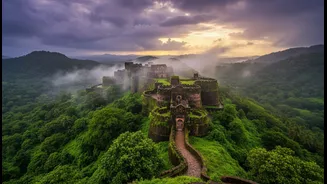
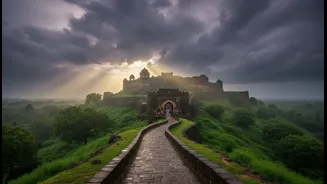
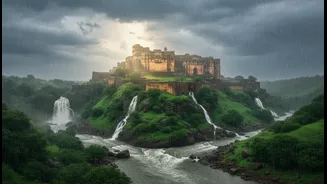
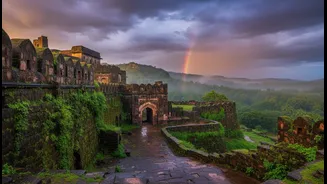
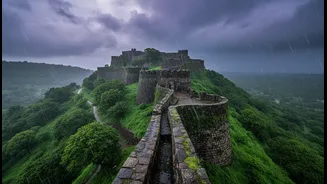
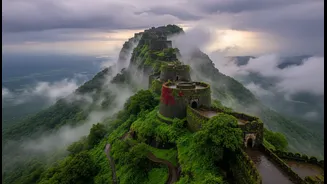
Known as the "Iron Fort," Lohagad is a classic monsoon destination for trekkers from Mumbai and Pune. Perched at an elevation of 1,033 metres, this UNESCO World Heritage site truly comes alive during the rains. What is typically a dry, rugged hill becomes
an emerald wonderland. The trek to the top, considered easy and beginner-friendly, takes you through misty trails and past seasonal waterfalls. The fort's famous 'Vinchu Kata' or scorpion's tail—a long, fortified spur—offers surreal views as clouds drift across the valley. The combination of accessible trails, verdant landscapes, and filled water cisterns makes Lohagad a quintessential monsoon experience in the Sahyadris. However, the stone steps can become slippery with moss, so proper trekking shoes are essential for a safe journey.
Rajmachi Fort, Maharashtra
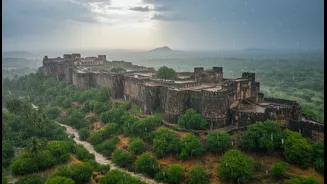
Nestled between Lonavala and Karjat, Rajmachi is not a single fort but a complex featuring two fortified peaks: Shrivardhan and Manaranjan. During the monsoon, the trails leading to the base village of Udhewadi are enveloped in dense greenery and mist. This trek is beloved for its rich forest walk, which feels more sheltered and ecologically diverse than other open-hillside treks in the region. While the Lonavala route is longer and can get muddy, it's a gradual path that rewards walkers with views of cascading waterfalls and lush valleys. Trekkers often camp at Udhewadi to explore both forts and immerse themselves in the serene, rain-washed atmosphere of the Sahyadris. The journey offers a unique blend of history, nature, and adventure.
Mandu, Madhya Pradesh
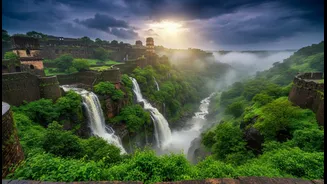
The ancient fort city of Mandu, perched on the Vindhya Range, is often called the 'City of Joy', a name bestowed by Emperor Jehangir who loved its monsoon beauty. During the rains, this sprawling fortress complex, home to some of India's finest examples of Afghan architecture, is shrouded in mist and surrounded by greenery. The iconic Jahaz Mahal, a 120-metre-long 'ship palace' situated between two artificial lakes, appears to float on the water when the tanks are full. The romance of the monsoon season is deeply tied to the legends of Mandu, especially the tale of Baz Bahadur and Rani Roopmati. Her pavilion, built on a vantage point, offers stunning views of the rain-washed Narmada plains below, making Mandu a truly magical monsoon destination.
Jaigarh Fort, Rajasthan
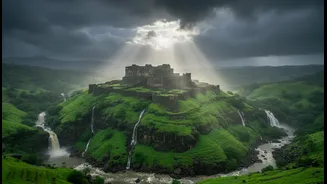
While Rajasthan is known for its arid landscapes, the monsoon brings a surprising and welcome change. Jaigarh Fort, the formidable military structure built to protect Amer Fort in Jaipur, offers a completely different experience during the rains. Set on the 'Hill of Eagles', the fort's rugged surroundings in the Aravalli hills are blanketed in green. The rain washes the red sandstone walls, deepening their colours, while the mist adds a layer of mystery to the architecture. The panoramic views from its watchtowers over a refreshed Amer and the surrounding landscape are truly spectacular. Visiting during the monsoon also means fewer crowds, allowing for a more peaceful exploration of this historic site.
Mirjan Fort, Karnataka
Located near Gokarna in Uttara Kannada, the 16th-century Mirjan Fort is a hidden gem that transforms into a green paradise during the monsoon. The constant heavy showers and high humidity cause a thick layer of moss to grow over the laterite rock structure, giving it a vibrant, almost surreal appearance. Surrounded by swaying coconut palms and the lush greenery of the Western Ghats, the fort becomes a photographer's delight. Once an important trading hub for spices, today the fort's intact walls, bastions, and wells stand as silent witnesses to history, completely taken over by nature's monsoon artistry. This makes it a highly recommended visit for those seeking a unique blend of history and natural beauty.