




Tirthan Valley, Himachal Pradesh: The Quiet Gateway
Often called Himachal's best-kept secret, Tirthan Valley serves as the gateway to the Great Himalayan National Park (GHNP), a UNESCO World Heritage Site. Unlike the bustling hubs of Kullu and Manali, Tirthan offers a more tranquil experience centered
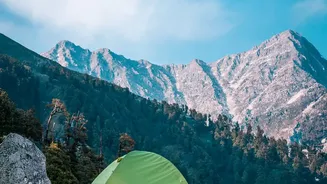
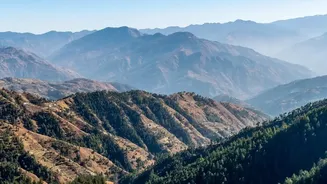
around pristine nature. The valley is named after the Tirthan River, which is famous for its trout-filled waters. The trails here are not about aggressive summit pushes but gentle walks through dense forests, past charming riverside villages like Gushaini and Sarchi, and towards hidden waterfalls. Because the area is an eco-sensitive zone with rules against permanent settlements inside the park, it naturally limits mass tourism, preserving its serene atmosphere. Treks here can range from simple day hikes to multi-day journeys into the GHNP, where you are unlikely to encounter other groups, offering a genuine wilderness experience. The best times to visit are during the spring (April-June) for pleasant weather or autumn (October-November) for crisp air and golden landscapes.
Chopta, Uttarakhand: Meadows and Majestic Peaks
While destinations like Nainital and Mussoorie draw huge crowds, Chopta in Uttarakhand remains a relatively peaceful haven for mountain lovers. Often dubbed the 'Mini Switzerland of India', its main allure lies in the trek to Tungnath temple and the Chandrashila summit. The journey starts from lush meadows, winding through forests of rhododendron and oak. The trek to Tungnath, the world's highest Shiva temple, is a well-defined path of about 3.5-4 km. From there, a steeper 1.5 km climb takes you to the Chandrashila peak, which sits at an altitude of about 12,000 feet. The reward for your efforts is a stunning 360-degree panorama of major Himalayan peaks, including Nanda Devi, Trishul, and Chaukhamba. While it's gaining popularity, it remains far less commercialised than its counterparts, offering an accessible yet profound Himalayan experience, especially for beginners and families.
Warwan Valley, Kashmir: A Journey Back in Time
For those seeking true remoteness, the Warwan Valley trek is an exceptional choice. This challenging trans-Himalayan trail connects the barren landscapes of Kargil with the lush, green paradise of Kashmir's Kishtwar district. The trek is considered one of India's most beautiful and exotic offbeat routes, exposing you to a variety of terrains, from vast meadows filled with wildflowers to long stretches of glaciers. What makes Warwan Valley unique is its profound isolation. The region remains cut off from the rest of the world for much of the winter, and even in summer, it sees very few tourists. This has allowed the local communities to preserve an ancient and traditional way of life. The trek is a difficult, high-altitude journey of about 8 days, suitable for seasoned trekkers with a high level of fitness. It’s an adventure that offers not just scenic grandeur but a deep sense of solitude and a glimpse into a world untouched by modernity.
Phuktal Monastery, Ladakh: The Cliffside Sanctuary
In the remote Zanskar region of Ladakh lies one of the most visually stunning monastic sites in the Himalayas: the Phuktal Monastery. Built into the face of a cliff like a honeycomb, this ancient Buddhist gompa can only be reached on foot. The journey itself is a remarkable adventure through the stark, dramatic landscapes of the Zanskar Valley, following the Lungnak River through deep gorges and past remote villages. While the destination is the monastery, the trail provides an unmatched sense of isolation and spiritual calm. The trek is moderately challenging and takes a few hours from the nearest road-accessible villages of Purne or Chah. Unlike the more frequented circuits around Leh, this trail offers a deeper, more meditative experience. Reaching the monastery, with its serene environment and rich history dating back to the 12th century, feels like a true pilgrimage, rewarding trekkers with both incredible views and a profound sense of peace.