






A major leadership transition is underway inside Meta's engine room. Santosh Janardhan, the executive in charge of the company's vast global infrastructure, is stepping down. The long goodbye, planned for early 2027, isn't just a personnel note.
A Long Goodbye
Santosh
Janardhan, Meta's head of infrastructure and co-head of engineering, has announced he will step down from his role in early 2027. According to internal memos, the move is a planned transition, not an abrupt departure. Janardhan, a veteran who joined the company back when it was just Facebook in 2009, will stay on through the first quarter of 2027 to ensure a smooth handover to his successor. This long-lead time is unusual in the fast-moving tech world and signals a deliberate, carefully managed succession plan rather than a sudden crisis. No specific reason was given for his departure, with Janardhan framing it as the right time to 'pass the baton' as Meta chooses its next priorities.
The New Chief from a Key Rival
Taking the reins is Dave Brown, a seasoned executive who joined Meta in July 2026 after a nearly two-decade career at Amazon Web Services (AWS). At AWS, Brown was a senior vice president who oversaw core computing and machine learning services, making him intimately familiar with building and operating infrastructure at a hyperscale level. His recruitment is a strategic poach, bringing deep operational discipline from one of the world's most dominant cloud providers directly into Meta's camp. Brown will formally lead Meta's infrastructure and serve as the Chief Technical Officer of the Meta Compute initiative, placing him at the heart of the company's massive AI buildout.
Why Infrastructure Is Everything in AI
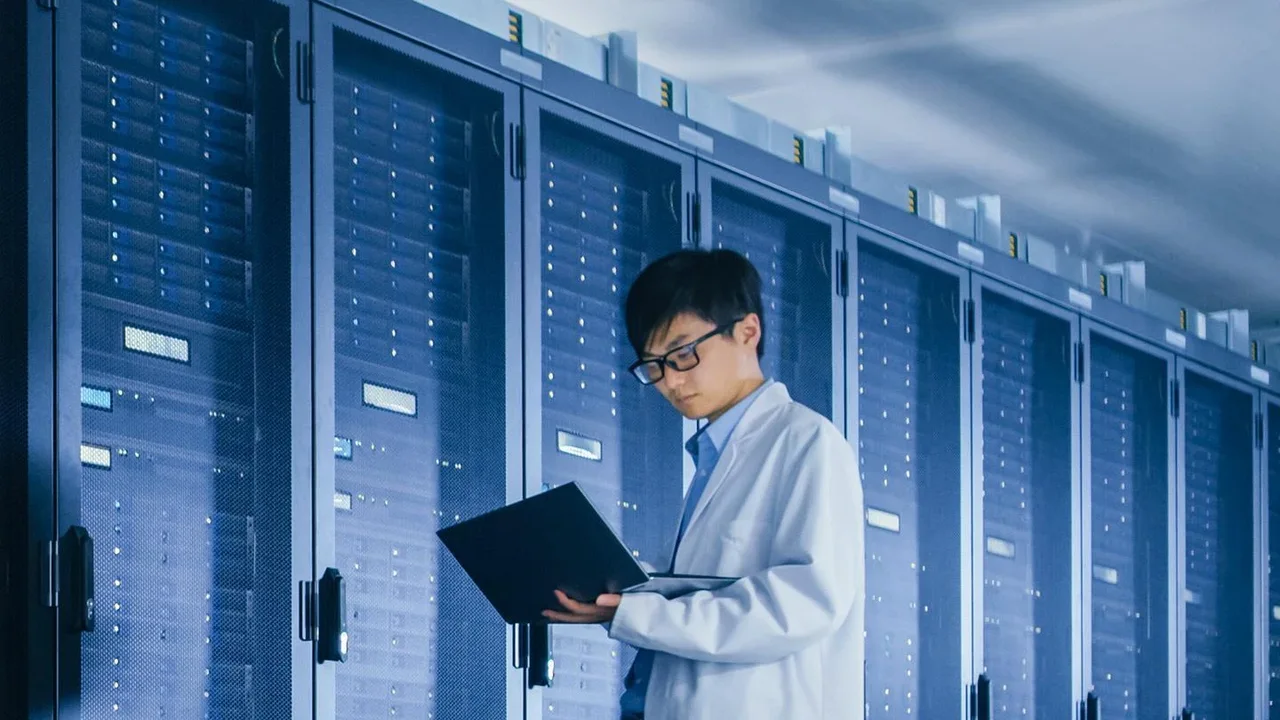
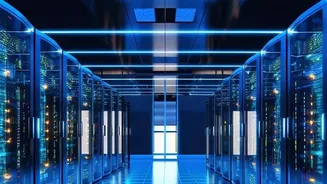
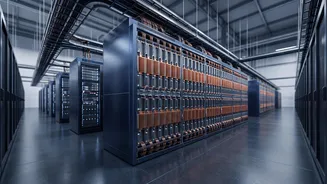
In the race for AI supremacy, the company with the best infrastructure often wins. This isn't just about software; it's about the physical backbone that makes it all possible. Infrastructure includes everything from custom-designed silicon chips and servers to the colossal data centers that house them, all connected by high-speed networks. For Meta, this hardware is the foundation for training its large language models, powering the AI in Reels and its ad systems, and building the futuristic metaverse. As Janardhan himself noted, AI has shifted from a minor workload to the central challenge, requiring a complete reimagining of the data center.
The Soaring Costs of Ambition
This leadership change comes as Meta is making staggering investments in its AI future. The company projected capital expenditures for 2026 to be as high as $145 billion, with the vast majority earmarked for data centers and AI compute power. These enormous outlays have drawn scrutiny from investors, making the execution and efficiency of the infrastructure team more critical than ever. Bringing in an AWS veteran like Brown, who has experience with hyperscaler discipline, can be seen as a move to ensure this massive spending spree is managed effectively as Meta builds capacity for what it calls 'personal superintelligence'.
A Signal to the Market
A planned, two-year leadership transition in a division responsible for hundreds of billions in spending is a powerful signal of stability. It tells employees, partners, and investors that the change is strategic, not chaotic. For Meta, ensuring a seamless handover from Janardhan to Brown is crucial for maintaining momentum. The company is not just competing with Google and OpenAI on algorithms; it's in a brutal, capital-intensive war over physical resources, from data center locations to the specialized chips that power AI. Brown's task will be to take the foundation built over the last 15 years and scale it for an even more demanding AI-centric future.