





An Invisible Contaminant
First, let's break down the terminology. Microplastics are tiny plastic fragments less than five millimetres long. They originate from two main sources: primary microplastics, which are intentionally manufactured small particles like microbeads in cosmetics,
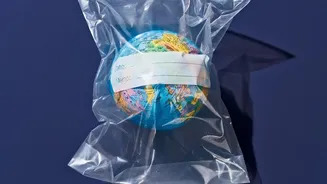
and secondary microplastics, which result from the breakdown of larger plastic items like bottles, bags, and synthetic clothing. Because plastic doesn't biodegrade, it just fragments into smaller and smaller pieces, eventually becoming nanoplastics, which are even harder to detect and track. These particles are so pervasive they have been found in the air we breathe, the water we drink, and, increasingly, the food we eat.
The Pathway to Your Plate
How do these particles end up in our meals? The routes are complex and varied. One major pathway is environmental contamination. Microplastics in oceans are consumed by fish and other marine life, which can then end up on our plates. On land, soil can become contaminated through plastic mulching, irrigation with tainted water, and the use of fertilizers derived from sewage sludge. From there, crops can potentially absorb these particles. Another significant source is packaging and processing. While high-quality, food-grade plastic is designed to be stable, heat and friction from processing equipment can cause particles to shed into food. Heating food in plastic containers is a known culprit, potentially releasing millions of particles into a single meal.
Common Foods Under the Microscope
While it's nearly impossible to find food that is completely free of microplastics, some items are more frequently cited in research than others. Bottled water, for instance, has been found to contain significantly higher levels of microplastics than tap water. Seafood is another major area of concern due to widespread ocean pollution. Perhaps more surprisingly, basic staples are also implicated. A 2024 study in India by the environmental group Toxics Link found that all tested brands of packaged salt and sugar—including table salt, sea salt, and rock salt—contained microplastics. The Food Safety and Standards Authority of India (FSSAI) has since acknowledged the issue and launched a project to generate more India-specific data to guide potential regulations.
The Unanswered Health Questions
This is the most critical and least understood part of the issue. While evidence of widespread exposure is clear, the direct impact on human health is still under intense investigation. Concerns fall into three main categories: the physical presence of the particles, which could cause inflammation or cellular damage; the leaching of chemical additives in plastics (like phthalates and bisphenols), some of which are known endocrine disruptors; and the absorption of external toxins like heavy metals onto the plastic's surface. Some studies have suggested potential links between microplastic exposure and issues like heart attack risks, inflammatory conditions, and reproductive problems, but human data remains limited and direct causal links have not been firmly established.
Can You Reduce Your Exposure?
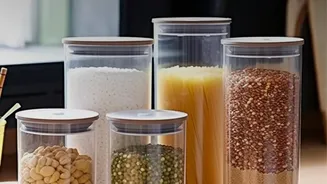
Completely avoiding microplastics is likely impossible, but you can take steps to minimise your intake. Choosing tap water over bottled water is a simple and effective switch. Whenever possible, opt for fresh, unpackaged foods over those that are heavily processed and plastic-wrapped. How you prepare and store food also matters. Use glass, stainless steel, or ceramic containers for storage and never microwave food in plastic. Transfer takeaways from plastic containers to a different dish before refrigerating. Using wooden cutting boards and stainless steel utensils can also help. Interestingly, some research suggests that a high-fiber diet, rich in fruits, vegetables, and legumes, may help reduce the absorption of microplastics by trapping them in the digestive tract and aiding their elimination.