






The Great Indian Dietary Shift
The typical Indian plate, or thali, is undergoing a quiet but dramatic transformation. Traditional diets, rich in diverse grains, pulses, and vegetables, are steadily giving way to a more modern, convenient, and often, less nutritious way of eating. National
surveys show a clear trend: while overall cereal consumption has declined, the intake of processed and ultra-processed foods, high in fats, sugars, and sodium, is on the rise. An average Indian household may now get more calories from processed items than from fruits. This isn't just a story about individual choices; it's a nationwide shift driven by urbanization, rising incomes, and the pervasive marketing of packaged foods. The result is a 'changing food basket' that looks very different from that of a generation ago.
The Calorie Fallacy: Fuller Stomachs, Emptier Nutrients
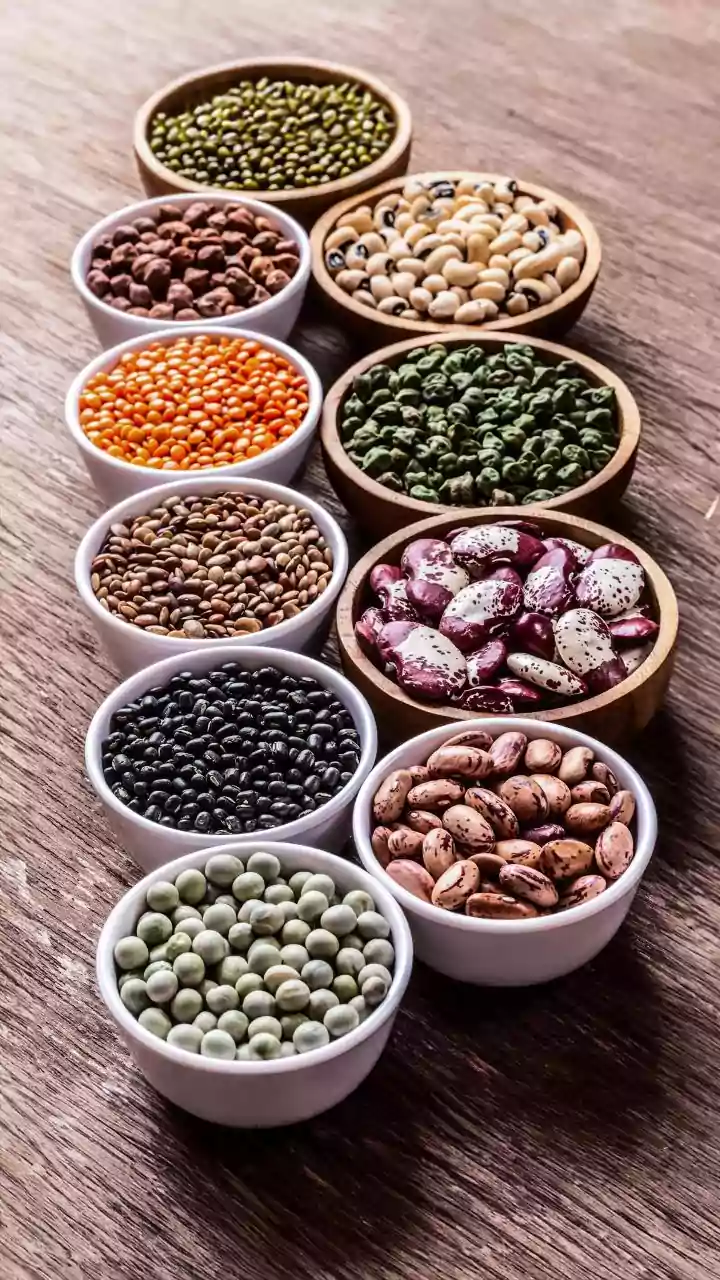
The core of the issue lies in a common misunderstanding: that a full stomach equals a nourished body. Calories are a measure of energy, but they say nothing about nutritional quality. A diet can be high in calories yet lack the essential vitamins, minerals, and proteins the body needs to function, grow, and fight disease. This is the definition of 'hidden hunger'. For instance, a meal of instant noodles might provide the same energy as a traditional meal of dal, rice, and vegetables, but it lacks the fibre, protein, and micronutrients. Experts warn that while India is making progress on caloric sufficiency, the nutritional balance of the average diet has seen little improvement over decades. The diet remains heavily skewed towards cereals, while the consumption of nutrient-dense foods like pulses, fruits, and vegetables lags far behind recommended levels.
The Double Burden of Malnutrition
This growing gap between energy and nutrition is fuelling a major public health crisis known as the 'double burden of malnutrition'. This is a situation where undernutrition, such as stunting and wasting in children, coexists with overnutrition, such as obesity and diet-related non-communicable diseases (NCDs) like diabetes and heart disease. It's a paradox where a single household, or even a single individual, can show signs of both deficiency and excess. Recent studies highlight this trend even in low-income urban communities, where childhood thinness persists alongside a rapidly increasing prevalence of overweight and obesity. This double burden affects all segments of society, with women often bearing a significant share of the impact, depending on their socioeconomic status and whether they live in urban or rural areas.
The Health Consequences of Hidden Hunger
The consequences of this nutrient gap are severe and wide-ranging. Deficiencies in micronutrients like iron, vitamin B12, folate, and vitamin D are rampant. Iron deficiency anaemia affects a huge percentage of children and women, leading to fatigue, lower productivity, and complications during pregnancy. At the same time, diets high in processed foods, salt, sugar, and unhealthy fats are a primary driver of India's escalating NCD crisis. These diseases, including diabetes, hypertension, and cardiovascular conditions, are now the leading cause of death in the country and are appearing at younger ages than before. This shift places an immense strain not only on individuals and families but also on the entire healthcare system.