







Meet Your Skin’s Bodyguard
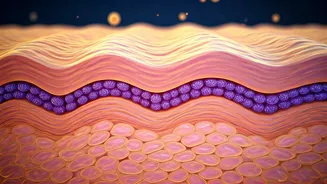
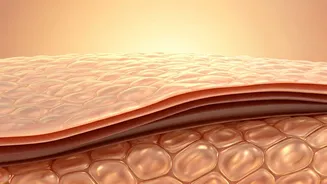
Your skin is your body's largest organ, and its outermost layer, the stratum corneum, is what we call the skin barrier. The best way to picture it is as a brick-and-mortar wall. The bricks are tough skin cells called corneocytes, and the mortar is made
of natural fats like ceramides, cholesterol, and fatty acids. This structure has two crucial jobs: it keeps good things like water in, preventing dehydration, and it keeps bad things like pollution, irritants, and harmful bacteria out. When this barrier is strong and intact, your skin looks and feels healthy, hydrated, and calm.
Signs of a Troubled Barrier
So, how can you tell if your skin’s defense system is down? The signs of a damaged barrier are often mistaken for other skin issues. You might experience persistent dryness, flakiness, or a tight feeling, even right after moisturizing. Your skin may become suddenly sensitive, stinging or burning when you apply products you used to tolerate perfectly well. Other tell-tale signs include increased redness, inflammation, itchiness, and even breakouts, as a compromised barrier can allow acne-causing bacteria to penetrate more easily.
The Common Culprits of Damage
Several factors in our daily lives can weaken this crucial shield. One of the most common is overdoing it with your skincare routine. Over-washing or using harsh cleansers can strip the skin of its natural oils. Similarly, over-exfoliating with strong acids or abrasive scrubs can physically wear away the barrier's protective lipids. Environmental stressors also play a huge role; too much sun exposure, harsh winds, dry air, and pollution all take their toll. Even internal factors like psychological stress and natural aging can slow down the barrier’s ability to repair itself.
Your Barrier Repair Toolkit
The good news is that you can repair a damaged barrier with a little patience and the right approach. The key is to go back to basics. Simplify your routine, focusing on the essentials: a gentle cleanser, a nourishing moisturizer, and daily sunscreen. Ditch the harsh scrubs and high-concentration actives for a while to give your skin a chance to heal. When washing your face, use lukewarm water instead of hot, which can strip protective oils. Consistency is crucial; it can take anywhere from a few weeks to a couple of months to fully restore your barrier, so be patient with your skin.
Ingredients to Look For
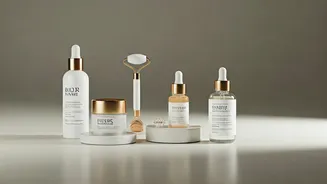
When shopping for products to support your barrier, certain ingredients are your best friends. Ceramides are at the top of the list because they directly replenish the 'mortar' in your skin barrier. Hyaluronic acid is another hero ingredient; it's a humectant that draws moisture into the skin, helping it stay hydrated and plump. Niacinamide (Vitamin B3) is a multitasking wonder that helps your skin produce its own ceramides, soothes redness, and improves elasticity. Finally, ingredients like glycerin, panthenol (Provitamin B5), and squalane help to moisturize, soothe, and lock in hydration, reinforcing the barrier's strength.