






The Calendar Is Changing
The long-held tradition of last-minute festive shopping is rapidly giving way to a new, more deliberate approach. Recent consumer reports for the 2026 season indicate a significant shift in behaviour, with the shopping journey now beginning long before
the festivals themselves. According to an analysis by Hansa Research, while half of consumers begin shopping two to four weeks before a festival, a notable 11% start their planning one to two months in advance. This extends the festive season from a concentrated burst of activity into a longer, more considered period of discovery and evaluation. Another report suggests that for major purchases, consumer consideration can start as early as eight weeks before the festive peak. This means that by the time traditional marketing campaigns kick off, many potential customers have already started forming their opinions and shortlists.
Digital Discovery and Smart Savings
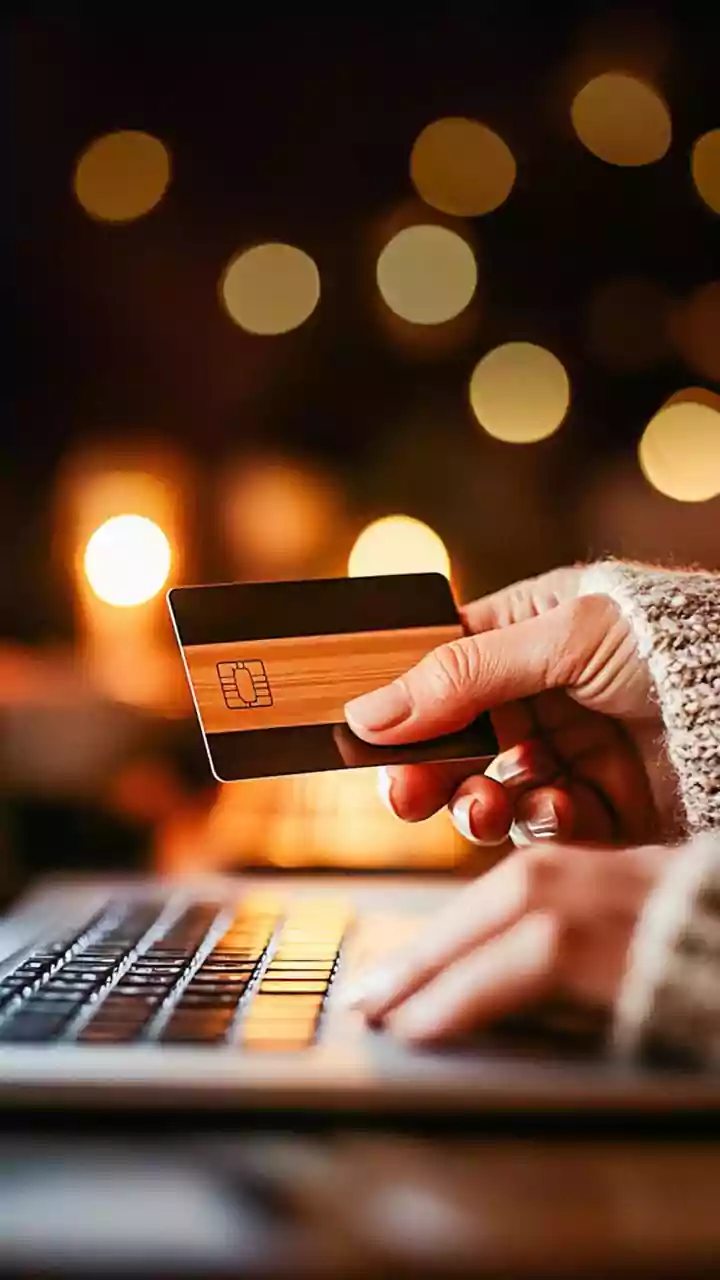
So, what's driving this early start? The primary catalyst is the internet. Digital platforms have empowered consumers, giving them the tools to research, compare prices, and seek out the best deals from the comfort of their homes. With 63% of shoppers now incorporating online platforms into their festive journey, the process is no longer about impulse buys but planned indulgence. Discounts and deals remain the single biggest influence on purchase decisions for 60% of consumers. By starting early, shoppers can track prices, wait for promotional offers, and spread their expenditure over a longer period to better manage their budgets. This behaviour is further encouraged by the rise of social media and influencer recommendations, which 48% of consumers cite as a key influence, turning product discovery into an ongoing conversation.
High-Value Items Lead the Research Race
The trend of early research is most pronounced in high-ticket categories where comparison is crucial. Electronics and gadgets (50%), and home décor and furniture (51%) are among the top categories being researched well in advance. Fashion remains the overall leader in festive shopping, accounting for 69% of planned purchases, but the research window for different categories varies. For example, technology and automotive purchases often have an 'early and extended' consideration window, whereas fashion is more dynamic and tied to specific events like Navratri or Diwali. This category-specific timing shows a sophisticated consumer who plans major investments like a new phone or home appliance weeks ahead, while saving apparel decisions for closer to the celebration dates.
A New Playbook for Brands
This shift forces brands and retailers to rethink their entire festive strategy. The old model of launching a big campaign just before Diwali is no longer sufficient. Businesses now need to engage with potential customers much earlier in their decision-making process. This means front-loading campaigns, ensuring digital visibility months in advance, and creating content that aids the research phase, such as gift guides and product comparisons. The findings from 2026 show a distinct gap: while 95% of consumers prefer brands that offer festive advertisements, only 39% could recall a standout brand from the previous year. This suggests that mere visibility is not enough; brands must provide genuine value, emotion, and cultural relevance throughout this extended shopping journey to capture and retain consumer attention.