




Dietary vs. Blood Cholesterol: What's the Real Story?
Before you even look at a label, it's important to understand a key distinction: dietary cholesterol (the kind in food) is not the same as blood cholesterol (the kind your doctor measures). Your body produces its own cholesterol, which is essential for building
cells. For most people, the cholesterol you eat has less of an impact on your blood cholesterol levels than previously thought. The bigger culprits in raising 'bad' LDL cholesterol are saturated fats and trans fats, which are often found in the same foods that are high in dietary cholesterol. Therefore, while checking the cholesterol number is useful, paying closer attention to the fat content provides a more complete picture of a food's impact on your heart health.
Your Step-by-Step Guide to the Nutrition Label
When you pick up a package of paneer or a tray of chicken, flip it over to the Nutrition Facts panel. Here’s a simple three-step process: 1. Start with Serving Size: All the numbers on the label, including cholesterol, are based on a single serving. Check the serving size and how many servings are in the package. If you plan to eat more than one serving, you'll need to multiply all the numbers accordingly. 2. Scrutinize Saturated and Trans Fats: This is your most important stop. The American Heart Association recommends limiting saturated fat to less than 6-10% of your daily calories. Look for products with low amounts. Trans fats are even more harmful, raising bad cholesterol and lowering good cholesterol, and should be avoided entirely. On an Indian label, look for 'trans-fat-free' claims and check the ingredients list for 'partially hydrogenated oils'. 3. Check the Cholesterol Number: After checking fats, look at the cholesterol, listed in milligrams (mg). The % Daily Value (%DV) can be a helpful shortcut. As a rule of thumb, 5% DV or less is low, while 20% DV or more is high for any nutrient. Aim for foods with a low %DV for cholesterol.
Decoding the Dairy Aisle
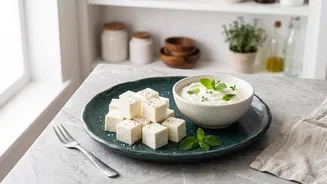
The dairy aisle is filled with choices, from full-fat dahi to skim milk. When checking labels, you'll notice a big difference in saturated fat content between full-fat and low-fat versions of products like milk, cheese, and paneer. While full-fat dairy contains beneficial nutrients, it is also a significant source of saturated fat. For example, butter and ghee are very high in saturated fat. Choosing toned or skimmed milk, or paneer made from low-fat milk, can significantly reduce your saturated fat intake without eliminating dairy from your diet. Be wary of sweetened yogurts and flavoured milks, as they can contain high amounts of added sugar, which also impacts overall heart health.
Navigating Packaged Meats
When it comes to meat, the type and cut matter. Red meats like mutton and beef generally contain more saturated fat and cholesterol than lean poultry like chicken breast (without skin) or fish. For instance, 100g of mutton contains around 82mg of cholesterol, similar to country chicken at 88mg. However, processed meats like sausages, salami, and bacon are a different story. They are often very high in both saturated fat and sodium, making them a less-than-ideal choice for heart health. When buying packaged chicken or fish, check the label to ensure no extra fats, sauces, or high-sodium marinades have been added.
Look Out for Misleading Claims
Food packaging is designed to sell. A package might proudly state 'Zero Cholesterol' or 'Cholesterol Free' on the front. While this is technically true for plant-based products (plants don't contain cholesterol), it can be misleading. A product like a biscuit or a bag of chips that is fried in coconut oil or palm oil can be 'cholesterol-free' but still be loaded with saturated fat, which has a greater impact on your blood cholesterol. Always flip the package over and trust the nutrition panel and the ingredients list, not the marketing claims on the front. The ingredients are listed by weight, so if sugar or saturated fat sources are near the top, it's a red flag.