


The Real Price of Kitchen Waste
Food waste is more than just a matter of conscience; it has a real financial impact. Studies show that a significant percentage of all food waste comes from households. This isn't just about large-scale spoilage. More often, it's the small, forgotten
items that add up: the produce that wilts in the crisper drawer, the leftovers that get pushed to the back of the fridge, and the duplicate pantry items bought by mistake. Each time we throw away food, we're also throwing away the money and resources—water, energy, and labour—that went into producing it. The average family can waste a surprising amount of money on discarded food each year. By becoming more aware of what we throw out, we can make a tangible difference to both our budget and the environment.
What is Recipe Costing?
Recipe costing sounds like a term for restaurant managers, but it's a powerful tool for any home cook. At its core, it's the simple practice of calculating the total monetary value of all the ingredients used in a single dish. Professional kitchens use this to set menu prices and control costs, but for a home cook, it serves a different purpose. It transforms abstract waste into a concrete number. Seeing that the forgotten half-cucumber cost you ₹15 or the unused herbs added up to ₹30 makes the loss tangible. This awareness is the first step toward changing kitchen habits. It's not about being stingy; it's about valuing the food you buy.
How to Cost Your Recipes: A Simple Guide
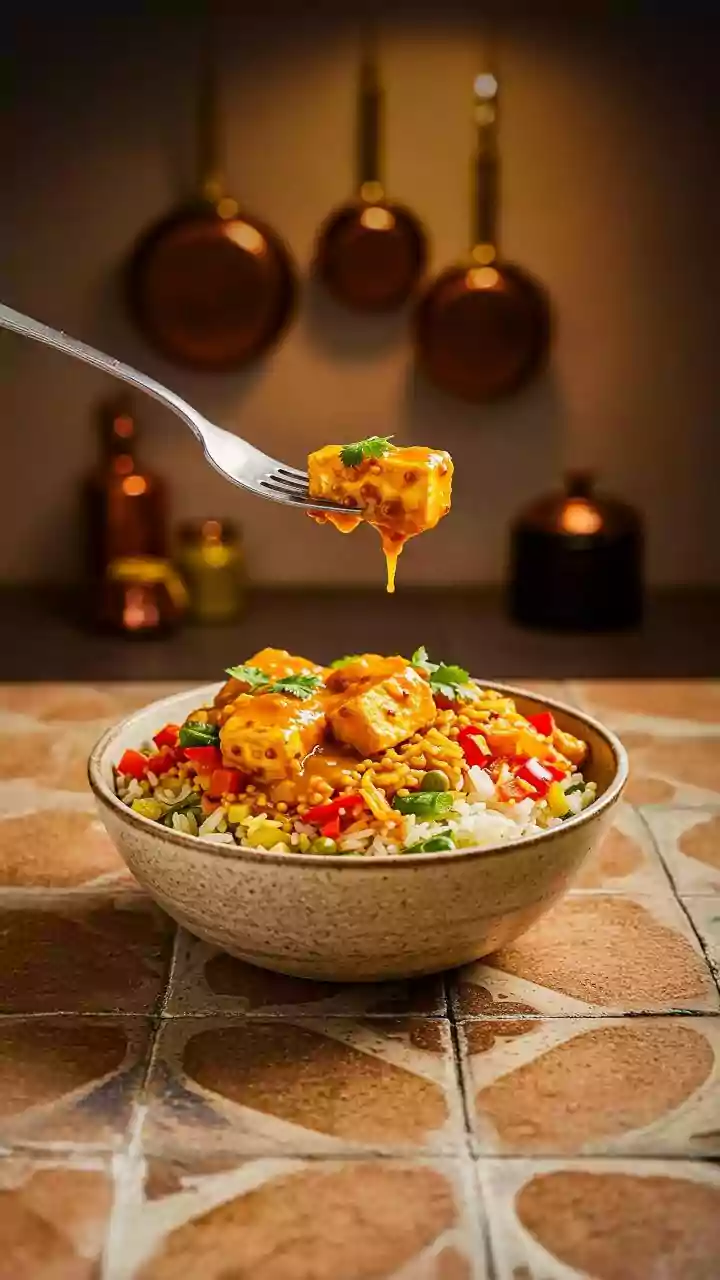
You don’t need complex software to get started. A simple notebook or a basic spreadsheet is all it takes. 1. Choose a Frequent Recipe: Start with a dish you cook often, like a weekly dal, a favourite sabzi, or a chicken curry. 2. List Every Ingredient: Write down everything that goes into the dish, including spices, oil, and garnishes. 3. Calculate Per-Unit Cost: This is the key step. Look at your grocery bills or note the prices next time you shop. If a 200g block of paneer costs ₹80, the cost is ₹0.4 per gram. If a 100g packet of turmeric powder is ₹30, the cost is ₹0.3 per gram. Do this for every item. 4. Measure and Multiply: As you cook, note the quantity you use. If your recipe calls for 150g of paneer, that’s 150 x 0.4 = ₹60. If you use 5g of turmeric, that’s 5 x 0.3 = ₹1.5. 5. Add It All Up: Sum the cost of every ingredient to find the total cost of the dish. This number is your new benchmark.
Connecting the Dots from Cost to Waste
Once you have the cost of a dish, the connection to waste becomes crystal clear. Let's say you buy a large bunch of fresh mint for a chutney that only requires a few sprigs. By costing the recipe, you know exactly how much monetary value is sitting in the leftover mint. This is where the magic happens. Your brain switches from thinking, "It's just some herbs," to, "That's ₹25 worth of mint that will go bad if I don't use it." This principle applies everywhere. You’ll start noticing the cost of the last bit of ginger that dries out, the spoonfuls of leftovers that get tossed, and the vegetables that lose their freshness. Tracking these small amounts is crucial because they add up significantly over time.
Strategies to Turn Insight into Action
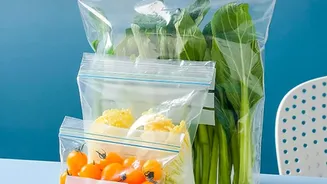
Knowledge is only useful when applied. Once recipe costing highlights your personal waste patterns, you can take targeted action. Shop Smarter: Your costing exercise will reveal which ingredients are most expensive or perishable. Use this information to create precise shopping lists based on planned meals, avoiding impulse buys. Embrace “Whole Ingredient” Cooking: Find ways to use parts of vegetables you might normally discard. Broccoli stems can be sliced for stir-fries, and carrot tops can be turned into a pesto. Declare a “Use-It-Up” Day: Once a week, challenge yourself to create a meal using only what's already in your fridge and pantry, especially items nearing their end. This can be a fun, creative exercise that prevents waste. Improve Storage: Store expensive spices and perishable items correctly to maximize their shelf life. Consider freezing leftovers or ingredients like bread and fresh herbs if you can't use them immediately.