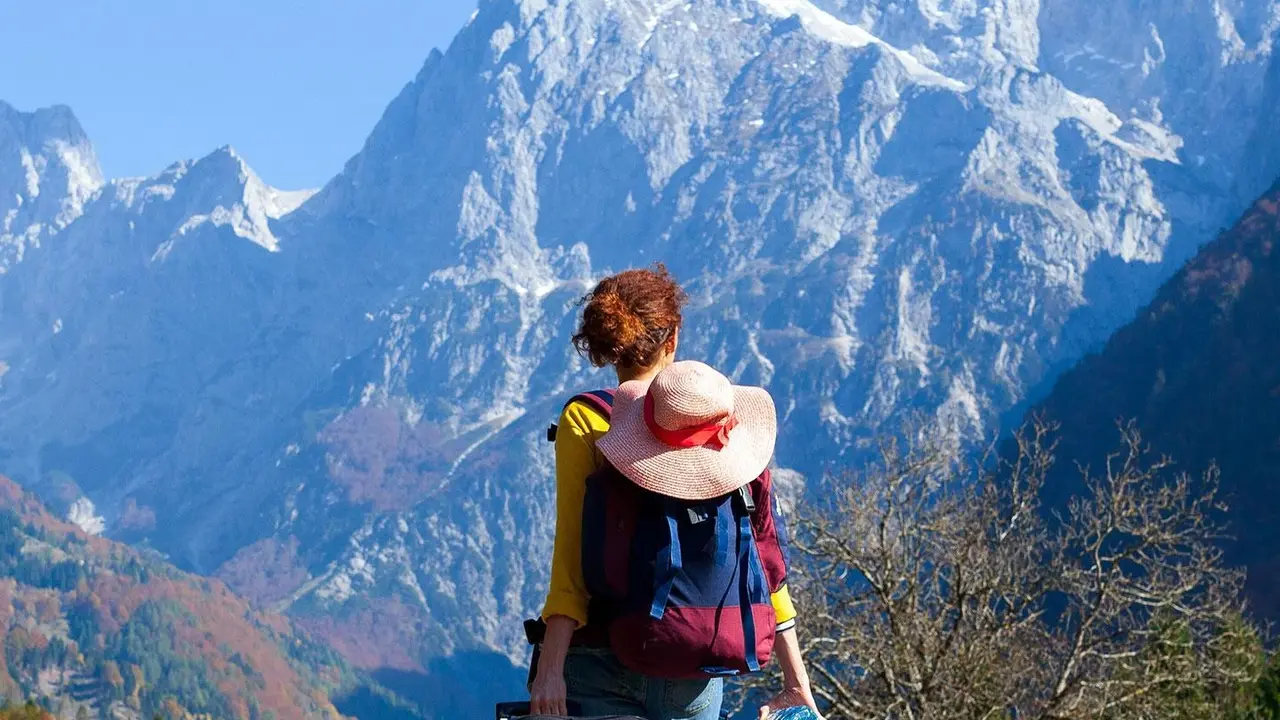







Decoding Shoulder Season
Shoulder season is the period of time between a destination's peak and off-peak seasons. Think of it as the travel calendar's best-kept secret. For many destinations in the Northern Hemisphere, this typically means spring (April to early June) and autumn
(September to October). However, the exact timing varies greatly depending on the location. For a ski resort, it might be the weeks just after the holiday rush, while for a tropical island, it could be the period after the main dry season but before the monsoon fully arrives. The core idea is simple: you travel just before or after the main rush, when demand begins to taper off but conditions are still excellent.
The Ultimate Perk: Less Stress
While cost savings are a well-known benefit of shoulder season, the real prize is the significant reduction in planning and travel stress. Fewer people means more breathing room. Imagine visiting iconic landmarks without feeling overwhelmed, finding a spot on a famous beach with ease, or walking into a popular restaurant without a reservation made months in advance. This is the reality of shoulder season. The experience becomes less about navigating crowds and more about enjoying the destination itself. Shorter queues for attractions, less traffic, and a generally more relaxed atmosphere contribute to a vacation that actually feels like a break.
Smarter Booking for Flights and Hotels
The law of supply and demand works in your favour during the shoulder months. With fewer people travelling, airlines and hotels often lower their prices to fill seats and rooms. This doesn't just mean a cheaper trip; it means better value and less frantic planning. You are less likely to encounter sold-out flights or fully booked hotels, giving you more flexibility. It might even open up the possibility of a room upgrade or booking a boutique hotel that would be prohibitively expensive during peak season. Booking a few months in advance is still wise, but you can escape the pressure of having to lock in every detail a year ahead.
An Itinerary Built on Freedom
Peak season travel often requires a rigid, military-style itinerary where every tour, museum ticket, and dinner is pre-booked to avoid disappointment. Shoulder season travel allows for spontaneity. The reduced crowds mean you have the freedom to change your plans on a whim. You can linger longer at a cafe, decide to visit a museum on the same day, or simply wander through a historic district at a gentler pace. This flexibility creates a more authentic and personal travel experience, allowing you to connect with the local culture rather than just ticking items off a checklist. The weather is also often more pleasant—not too hot, not too cold—making it ideal for exploring.
Choosing Your Shoulder Season Escape
The perfect shoulder season depends on where you want to go. For much of Europe, April-May and September-October offer pleasant weather and thinner crowds in popular destinations like Italy and Spain. If you're dreaming of the Caribbean, travelling between April and June can help you avoid the high prices and crowds of the winter holiday season. For national parks in North America, late spring and early autumn provide stunning scenery without the summer vacation rush. Even domestic travel within India has its shoulder seasons; consider visiting mountainous regions just before the peak summer or winter rush for a more tranquil experience. The key is to research your specific destination's tourism patterns to find that perfect window.