


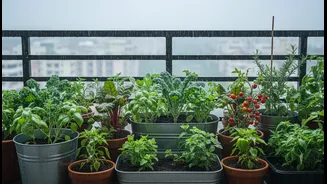
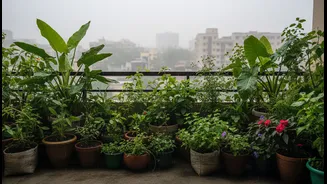


Why a Monsoon Garden Makes Sense
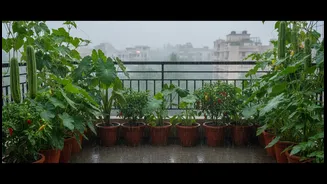
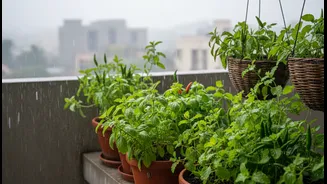
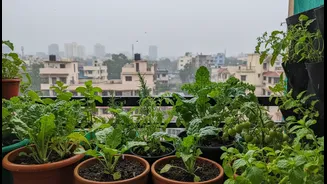
The rainy season provides ideal conditions for gardening, with natural, consistent watering and high humidity that many plants love. For city residents, this translates into a rewarding and practical endeavour. A balcony garden can provide a steady supply
of fresh, pesticide-free produce, reducing reliance on market vegetables which can fluctuate in price and quality. Beyond the harvest, gardening is a well-regarded stress reliever, offering a therapeutic escape from the urban hustle. Starting a garden during the monsoon is particularly beginner-friendly, as the cool, moist conditions help seeds germinate faster and reduce the shock for transplanted seedlings. It’s a sustainable practice that connects you to your food and nature, right outside your window.
Choosing Your Monsoon Champions
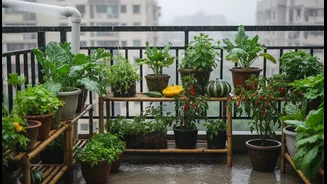
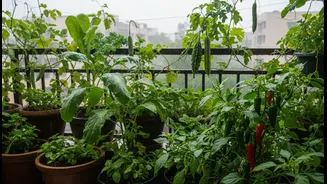
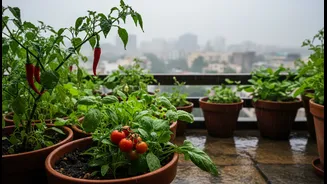
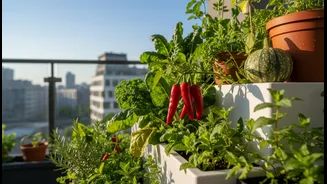
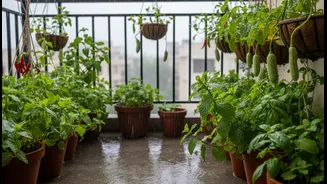
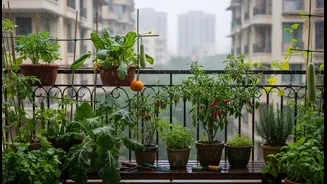
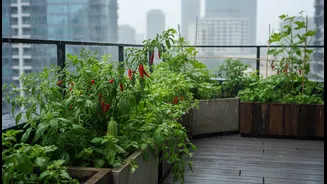
Success begins with selecting the right plants that thrive in the warm, humid weather of the Indian monsoon. Leafy greens are a great starting point; spinach (palak), amaranth (chaulai), and coriander (dhaniya) grow quickly in containers. Chillies are another excellent choice, as the humidity is beneficial for their development and they can be grown easily in medium-sized pots. A variety of gourds, such as bottle gourd (lauki), bitter gourd (karela), and ridge gourd (turai), are champions of the monsoon, but these vigorous climbers will need a sturdy trellis for support. Herbs like mint and tulsi are also low-maintenance options perfect for pots. For those with a bit more space and sunlight, tomatoes (especially cherry varieties), brinjal (eggplant), and okra (bhindi) perform exceptionally well.
The Right Foundation: Pots and Soil
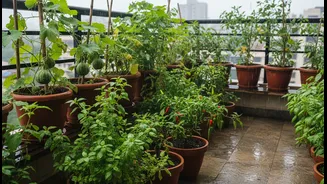
The single most critical factor for monsoon container gardening is drainage. Heavy rains can quickly lead to waterlogged soil, which suffocates roots and causes rot. Ensure every container, whether it's a clay pot, a grow bag, or a recycled bucket, has plenty of drainage holes. It’s also wise to elevate your pots using bricks or plant stands to allow excess water to escape freely. Avoid using heavy garden soil, which compacts easily. Instead, opt for a light, well-draining potting mix. A good combination is garden soil, compost or vermicompost, and coco peat, which helps with both moisture retention and aeration. This foundation will protect your plants from the biggest monsoon challenge and set them up for healthy growth.
Care and Maintenance During the Rains
During the monsoon, your watering schedule needs to change. Don't stick to a daily routine; instead, check the soil first. Only water when the top inch of soil feels dry. Overwatering is a common mistake that can be fatal to plants. Sunlight is still crucial. Most vegetable plants will need at least 4-6 hours of sun, so place your sun-loving chillies and tomatoes in the brightest spot on your balcony. Keep an eye out for pests like mealybugs and aphids, which can thrive in damp conditions. A simple spray of neem oil solution can be an effective natural deterrent. Finally, prune any broken stems or damaged leaves to improve air circulation and prevent fungal diseases.
Harvesting Your Balcony Bounty
One of the greatest joys of a micro-garden is harvesting your own produce. Regular harvesting actually encourages many plants to produce more. For leafy greens like spinach and coriander, snip the outer leaves as needed, which allows the plant to keep generating new growth from the centre. Chillies can be snipped off with a pair of scissors to avoid damaging the plant. With gourds and beans, picking them when they are young and tender ensures the best flavour and texture. Knowing you can step out onto your balcony and pluck fresh, homegrown ingredients for your next meal is the ultimate reward for your gardening efforts.