





The Nutritional Showdown
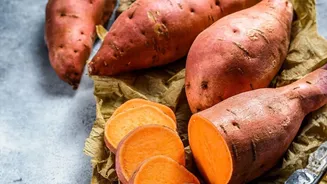
On paper, both sweet potatoes and butternut squash are nutritional powerhouses, but they have different strengths. Butternut squash is the lighter option, with significantly fewer calories and carbohydrates per serving. A cup of cooked butternut squash has
about 82 calories and 22 grams of carbs, while the same amount of sweet potato contains around 180 calories and 41 grams of carbs. However, sweet potato packs more protein and fibre, which can help you feel fuller for longer. Both are excellent sources of Vitamin A, but sweet potatoes generally contain more potassium and Vitamin C. For those managing blood sugar, butternut squash has a lower and more stable glycemic index, making it a more predictable choice.
The Roasting Effect: Flavour vs. Nutrients
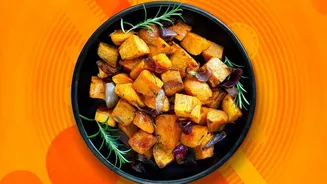
Roasting is where both vegetables develop a deep, complex flavour. The high, dry heat of the oven causes caramelization, concentrating their natural sugars and creating a delicious, slightly crispy exterior and a tender interior. Sweet potatoes, being starchier and sweeter, become exceptionally creamy with beautifully caramelized edges when roasted. Butternut squash takes on a milder, nutty sweetness. This flavour enhancement comes at a nutritional cost, however. Studies show that roasting, due to the high heat and longer cooking time, can degrade a significant portion of the heat-sensitive vitamins in sweet potatoes, like Vitamin A and antioxidants, particularly those found in the skin. Roasting also increases the glycemic index of sweet potatoes, meaning a quicker spike in blood sugar.
The Boiling Point: Texture and Retention
Boiling is a gentler, faster cooking method that has a very different effect on both nutrition and texture. For sweet potatoes, boiling is the clear winner for nutrient retention. It preserves significantly more of their beta-carotene (Vitamin A) and antioxidants compared to roasting and results in a lower glycemic index. This wet cooking method makes the flesh soft and moist, ideal for mashing or pureeing. Butternut squash also becomes fork-tender very quickly when boiled, making it a great shortcut for soups or mashes. The main drawback of boiling is the potential loss of water-soluble vitamins (like Vitamin C and B vitamins) into the cooking water. The flavour is also more subdued, lacking the caramelized notes that roasting provides.
Taste, Texture, and Best Uses
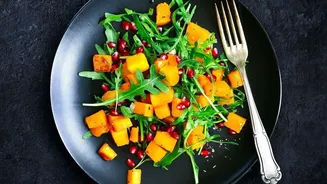
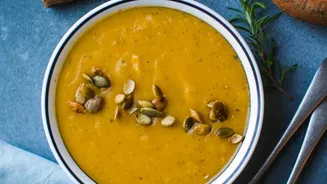
The final taste and texture depend entirely on your cooking method. Roasted sweet potato is dense, sweet, and creamy, making it perfect for wedges, 'fries', or as a hearty side dish. Roasted butternut squash is softer and has a more delicate, nutty flavour, which pairs well with herbs and spices. When boiled, sweet potatoes become soft and fluffy, ideal for a classic mash with butter and cinnamon. Boiled butternut squash breaks down into a silky, smooth consistency, which is why it's a go-to base for velvety soups and purees. Its higher water content means it doesn't hold its shape as well as a sweet potato, making it less suitable for things like fries.
The Verdict: Which Should You Choose?
Ultimately, neither vegetable is universally 'better'—the best choice depends on your goals. For the most nutrients and a lower impact on blood sugar, boiling your sweet potato is the superior method. For maximum flavour and a deep, caramelized sweetness, roasting is the way to go, for both sweet potato and butternut squash. If you're looking for a lower-calorie, lower-carb option, butternut squash is your friend. If you need a more substantial, filling side that holds its shape well when roasted, sweet potato is the more reliable choice. Consider roasting for side dishes where you want browned, flavourful chunks, and boiling when the vegetable will be mashed, pureed into a soup, or mixed into a dish like lasagna or a casserole.